
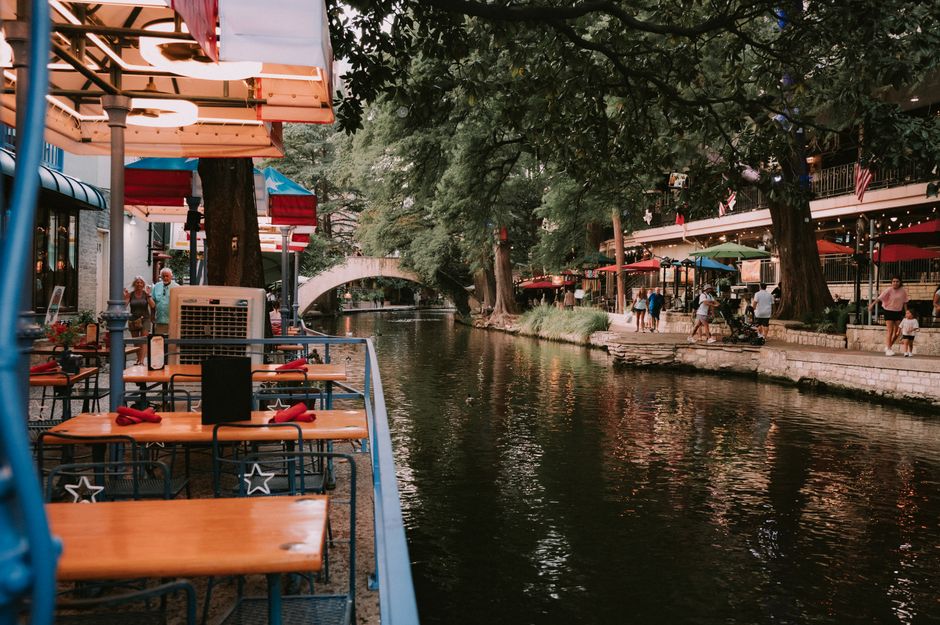
I rolled into San Antonio on a Tuesday expecting the usual River Walk chaos—and found it. But after a few days of dodging tour groups, I realized most visitors never leave that narrow corridor of restaurants and souvenir shops. The city's real character lives elsewhere, in neighborhoods where locals actually walk around and the pace feels less like a theme park. I started taking the bus, wandering side streets, ducking into small museums with maybe six other people inside. This is where San Antonio gets interesting.
Pearl Brewery District
Pearl used to be exactly what its name suggests—a shuttered brewery complex on the north side. Now it's a mixed-use neighborhood that somehow avoids feeling like a developer's fever dream. There's a farmers market most days, actual residents living in the apartments above, independent shops that aren't chains. The whole district has a real European market vibe, the kind you don't usually see in Texas.
The food scene here matters. Not the elevated, Instagram-friendly kind—just genuinely good cooking at places people line up for. I grabbed coffee at one of the roasters here and ended up talking to someone who'd moved to San Antonio specifically to be near this neighborhood. The grounds are pretty, there's water running through, and you can spend an afternoon without planning every move. Nobody's herding you onto a boat.
The Majestic Theatre and Southtown Arts District
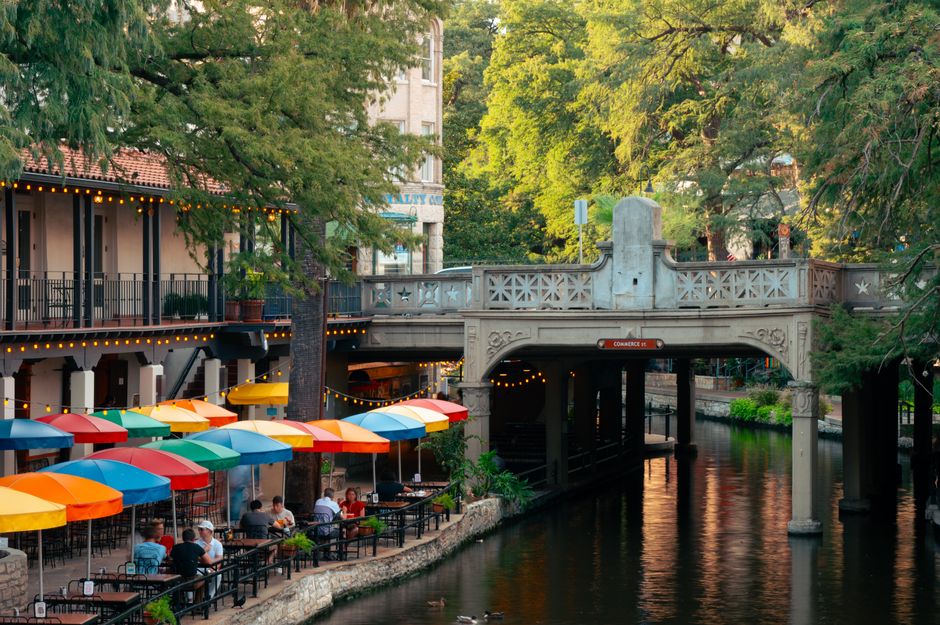
South of downtown, the Southtown neighborhood operates on its own timeline. It's been an arts district for decades, before that term became shorthand for gentrification. The buildings here are older, the murals aren't uniform, and the vibe is actually bohemian rather than aggressively curated.
The Majestic Theatre is the anchor—a restored 1920s movie palace that somehow still feels like a place people actually go to, not a museum. They show everything from independent film to performances. Even if nothing's on when you visit, the architecture alone is worth seeing. Walk the surrounding streets and you'll find artist studios, smaller galleries, and places to eat that don't have seventeen locations. There's a street art scene that feels alive, not preserved.
Government Canyon State Natural Area
Most people don't know this exists, and fewer still think to visit it from downtown San Antonio. It's about 20 minutes north, a state park with actual canyons, native vegetation, and hiking trails that feel removed from the city noise even though you're still in town limits. The trails aren't brutal—there's a popular 2.5-mile loop that moves through limestone terrain and past what feels like genuine wilderness.
I went on a weekday morning and saw maybe three other people. That's not because it's bad; it's because it's not on the standard tourist circuit. The park doesn't have the infrastructure of more famous spots, which is kind of the point. You get out there, walk quietly through the terrain, maybe see some birds. The trailhead parking lot is small and sometimes fills up on weekends, but weekday mornings are yours.
The Witte Museum
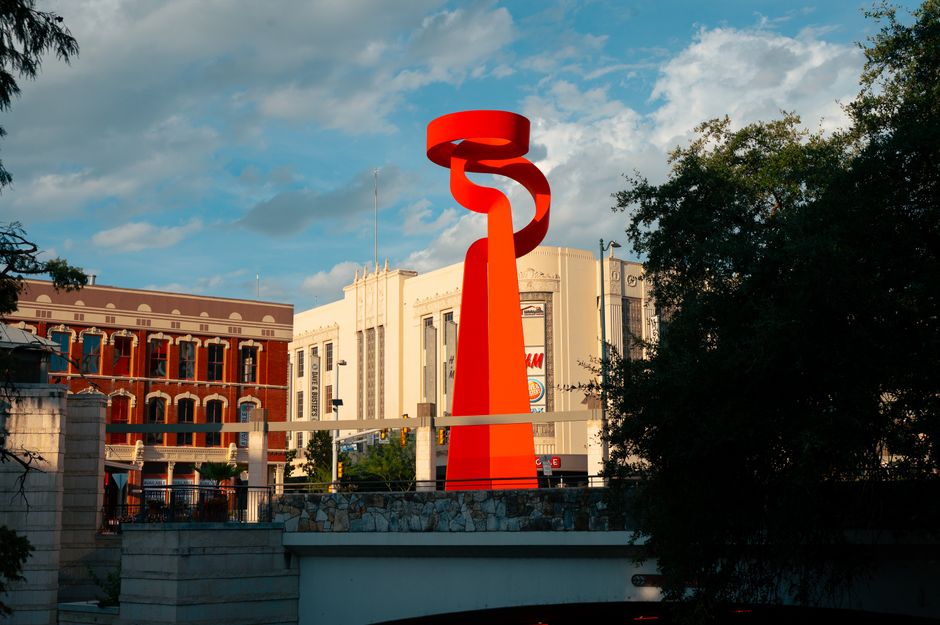
The bigger museums get the tour buses. The Witte, in Brackenridge Park, gets real visitors interested in actual Texas history. The museum focuses on natural history and Texas culture—lots of Native American artifacts, geological displays, historical documents. It's the kind of place where you can spend two hours without feeling rushed through an experience designed for crowds.
There's a reason locals recommend this over the bigger-name spots: it's actually well-done without being overproduced. You'll learn something. The park surrounding it is also worth your time—real trees, walking paths, a zoo if you're into that. The whole area has a neighborhood feel, with people actually using the park rather than passing through it.
Mission Trail and the Other Missions
Everyone knows the Alamo. Some tourists make it to Mission San José, a few miles south. Almost nobody does the entire Mission Trail, which connects four Spanish colonial missions stretching about 9 miles along the San Antonio River south of downtown. You can bike it, walk it, or drive between them. The missions themselves are UNESCO World Heritage sites, but because they're strung out rather than clustered, they feel less touristy.
Concepción and San Juan are particularly quiet. The architecture is real—not restored for appearance but maintained because it matters. You can sit in the courtyards and it's actually peaceful. The river section south of downtown is also less developed, more natural-looking than the manicured walkway tourists use. This is the version of San Antonio that actually existed, before the city decided to monetize every square foot.
Blue Star Contemporary Art Space
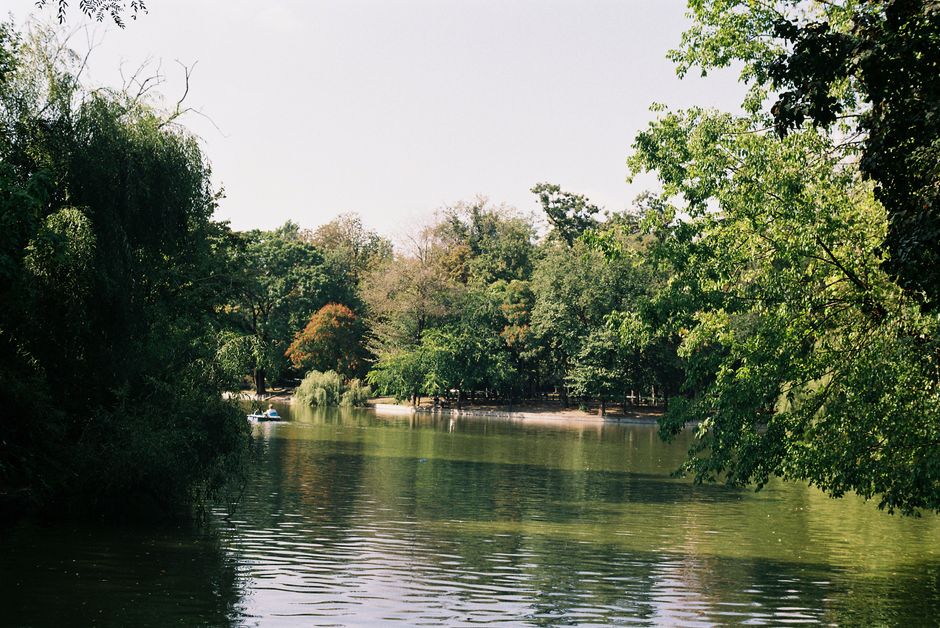
In Southtown again, but it deserves separate mention. Blue Star is a nonprofit contemporary art space in a converted warehouse. They show work you won't see in commercial galleries—installations, experimental pieces, work by local and international artists who aren't yet commodified. There's no entry fee, though donations are encouraged. On First Friday events (each month), the whole district opens up with street performances, food trucks, and actual crowds that still feel genuine.
I went on a random Thursday and had the gallery mostly to myself. The building itself is interesting—raw concrete, high ceilings, the kind of space that makes you understand why artists are drawn to cities. The surrounding block has other galleries and artist spaces in a similar price range and vibe. This is what happens in neighborhoods before they get called 'up-and-coming' and prices triple.
Practical Notes
Getting around: San Antonio's bus system is reasonable and cheap. Most places mentioned are accessible without a car, though having one helps with the missions and the state park. Pearl and Southtown are walkable neighborhoods once you're there.
Timing: Weekday mornings and Tuesday-Thursday evenings are genuinely less crowded than weekends. The city's big events and conventions happen throughout the year, but you can usually find quieter pockets. Weather matters—summers are genuinely hot, spring and fall are ideal.
Don't expect these places to stay quiet forever. That's how neighborhoods work. But right now, they're where actual San Antonio life happens, away from the choreographed tourism experience. You have to actually wander to find them, which is exactly why most tourists miss them.


