
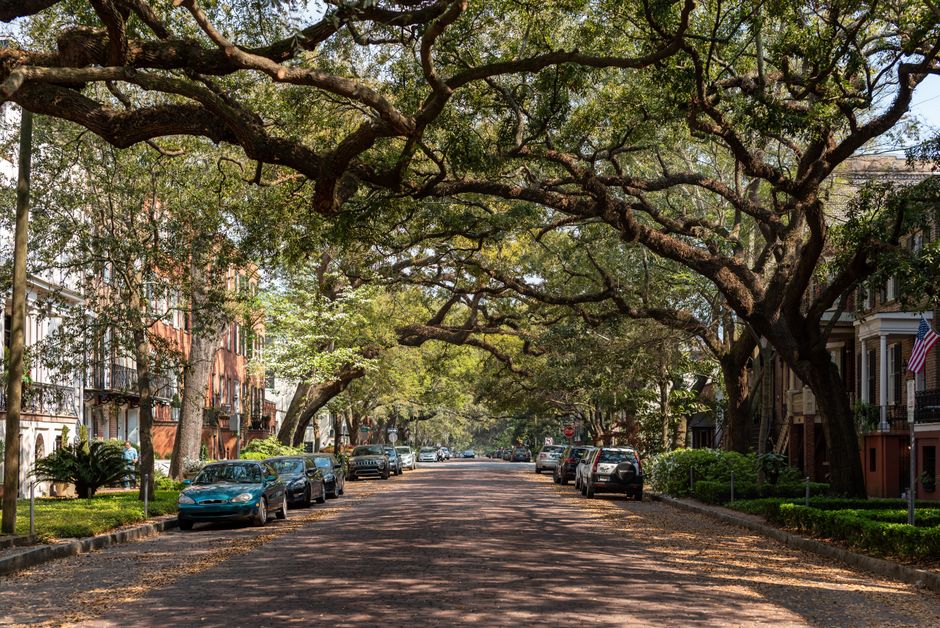
I rolled into Savannah on a Thursday in March with a soft spot for Spanish moss and absolutely no plan. Within two hours of wandering, I realized the city doesn't really function the way most tourist guides suggest. Yes, there's a historic district. Yes, there are squares. But where you actually stay matters enormously—not just for Instagram appeal, but for whether you'll spend your mornings walking ten minutes to coffee or thirty.
I spent the better part of two weeks testing neighborhoods on foot, sitting in restaurants at different hours, checking my phone at night without paranoia, and doing the math on nightly rates. What I found was that Savannah's Airbnb landscape breaks down pretty cleanly. There are a few genuinely livable zones if you know what to look for, and then there's everything else—either too touristy, too quiet, or too far from anything that matters. Here's what I learned.
Historic District / Forsyth Park
This is where most people book, and there's a reason. If you're staying anywhere near Forsyth Park or the grid of squares radiating from it, you can walk to restaurants, bars, galleries, and river views without thinking about it. The park itself is genuinely beautiful—moss-draped oaks, an iconic fountain, locals actually using it at dusk.
Walkability here is nearly perfect if you pick a property within a few blocks of the park. You're looking at maybe a ten-minute walk maximum to any of the main restaurant strips on Broughton Street or around Chippewa Square. Safety at night is solid; these blocks see steady foot traffic even after dark, and locals move through them without hesitation.
The tradeoff is that you're in the thick of the tourist swirl. Thursday and Friday nights bring crowds, bachelorette parties, and bar noise. If you're sensitive to noise, book a unit on a quieter square (Chippewa, Columbia) rather than adjacent to Broughton. Expect to pay $150 to $300 per night depending on season and exact location. Winter dips lower; spring and fall command premium rates. Summer is actually cheaper, but the heat and humidity are legitimate.
The neighborhood works best if you want walkability and nightlife without having to think too hard about logistics. It's not a "local" experience, but it's efficient.
Midtown / Victory Drive
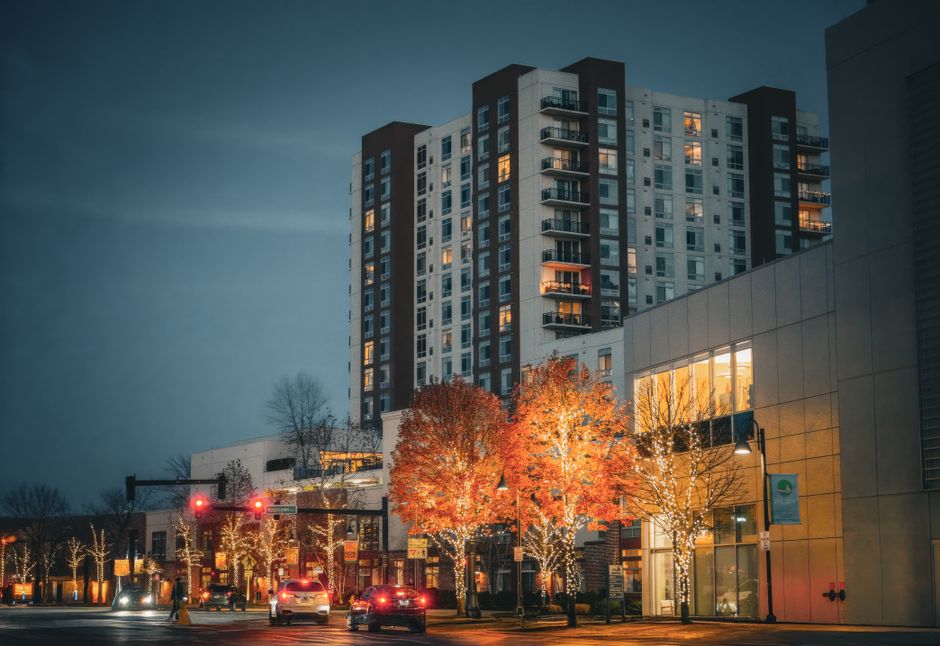
This one surprised me. Midtown sits a few miles from the historic core, centered roughly around Victory Drive, and it has a fundamentally different temperament. You'll see young professionals, actual residents eating dinner, small galleries, and vintage shops that don't exist for tourists.
The walkability is real but not complete—you can handle a neighborhood stroll without a car, hitting local spots like The Collins Quarter (a bar inside a salvaged mansion) or various coffee spots and restaurants, but getting back downtown requires a short Uber or a longer walk. Most people come here because they want to move a little slower and interact with a Savannah that isn't selling postcards.
Safety is fine, though it's slightly less trafficked than the historic district at night. I never felt at risk, but you're in a residential area, so the street-level activity is lower. That's actually the appeal for people seeking quiet. Nightlife exists but is genuinely local—less bachelorette-party energy, more neighborhood bars where someone might actually talk to you. Expect $90 to $180 per night, which is a meaningful discount over the historic district. It's appealing if you want to feel like you're living somewhere rather than visiting it.
Starland District / The South Side
Starland is the neighborhood people mention when they want to sound like they know Savannah. It's a former industrial area that's been half-revived as a creative district, with murals, studios, coffee roasters, and an actual food scene. Bonaventure Brewing, The Collins Quarter's sibling spots, restaurants with real ambition—it's clustered here.
Walkability is decent within the immediate Starland area (roughly bounded by Victory Drive and Waters Avenue), but it's not a walkable connection to the historic district. You'll need transportation to bridge that gap. That said, within Starland itself, you can walk to multiple restaurants and bars without planning. The neighborhood feels genuinely less touristy, even though it's increasingly discovered.
Safety at night is similar to Midtown—low crime, but lower foot traffic means it's a quieter, more residential vibe. You're not worried, but you're also not surrounded by people. That's the whole point. Nightlife is more refined and less rowdy than downtown, with a younger creative crowd. Prices run $95 to $175 per night, slightly cheaper than Midtown but competitive depending on the specific property and season.
Book here if you want walkable restaurants and bars, don't need to be footsteps from major tourist sites, and prefer a neighborhood where locals outnumber visitors.
River Street / The Waterfront
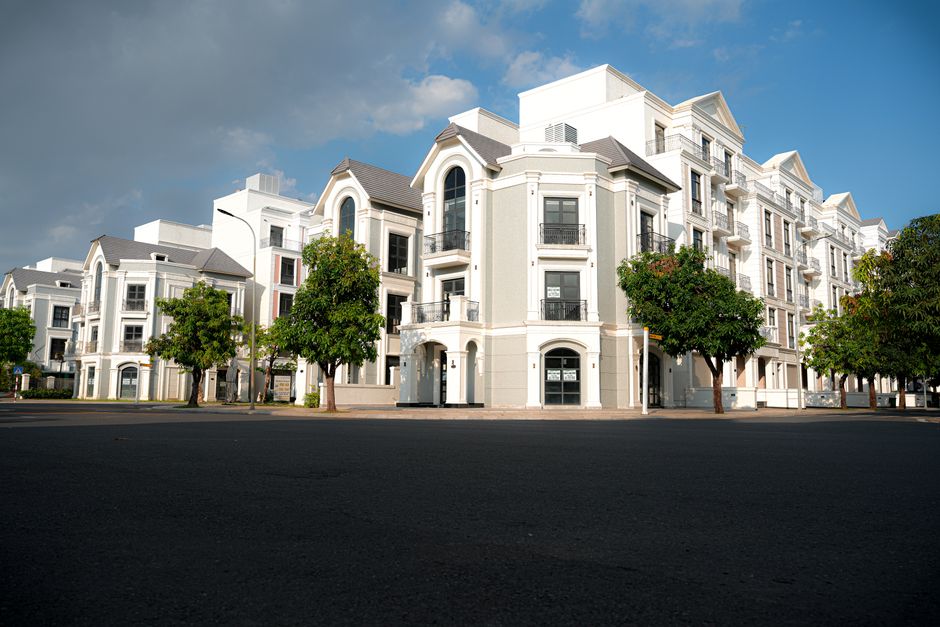
River Street is a tourist gauntlet—old brick buildings, riverfront views, and relentless commercial energy. I'm mentioning it because Airbnbs definitely exist here, and some visitors prefer the energy and proximity to boat tours or river views.
Walkability is straightforward; everything on River Street is within a few blocks. The neighborhood is extremely busy day and night, which is either a feature or a bug depending on your preference. It never feels unsafe, but it also never feels quiet. Nightlife is essentially unavoidable—bars, restaurants, street musicians, and event crowds are the baseline.
Prices tend to be higher here—$160 to $280 per night—because the novelty of riverfront location drives demand. My honest take: River Street works if you're traveling with a specific group that wants bar crawling and river views, or if you're staying just one or two nights and want convenience over experience. For longer stays, the sameness and noise wear on you.
Ardsley Park / Abercorn South
Ardsley Park is quiet residential, tucked a couple miles southwest of downtown. Tree-lined streets, houses instead of apartments, a neighborhood feel that's almost rural despite being in the city proper. There's minimal commercial activity and virtually no tourism.
Walkability for dining or nightlife is poor—you'll need a car or an Uber to reach restaurants or bars. That's the tradeoff. What you get is genuine peace, space, and a sense of living somewhere normal. If you're here to work, or you plan to rent a car and explore beyond Savannah, this works. If you're dependent on foot traffic and neighborhood energy, it won't.
Safety is excellent; it's a established residential neighborhood with low crime. Nightlife doesn't really exist—there's quiet instead. Prices are low, typically $75 to $130 per night, because demand is lower and the use case is narrower. Book Ardsley Park if you need a base that's safe, affordable, and quiet, but don't expect walkable dining or the feeling of being in a city neighborhood.
The Practical Reality
After a couple weeks, I realized most short-term visitors should land in either the Historic District (if you want convenience and don't mind crowds) or Midtown/Starland (if you want a slower pace and lower prices). River Street is fine for specific use cases, and Ardsley Park is a choice only if you need quiet and space over everything else.
Book your Airbnb with a specific neighborhood in mind, not just the city name. Check guest reviews for noise complaints—legitimate feedback about parties or traffic will appear in the text, not just the rating. Walk the neighborhood on Google Street View before booking; you can get a real feel for street activity and how close you are to restaurants or bars.
Season matters significantly. Spring (March–May) and fall (September–October) are peak and expensive. Winter is cheaper and pleasant enough. Summer is cheaper still, but the heat is real. Factor that into your budget and expectations. And honestly, if you're staying more than three nights, rent a car, even if you end up using it once. Savannah expands significantly beyond the walkable core, and being car-optional beats being car-dependent for Uber rides.



