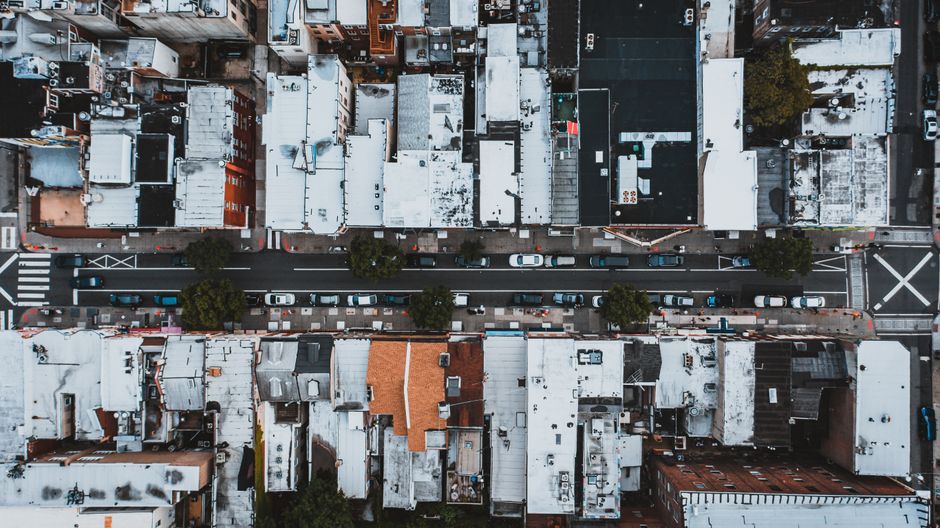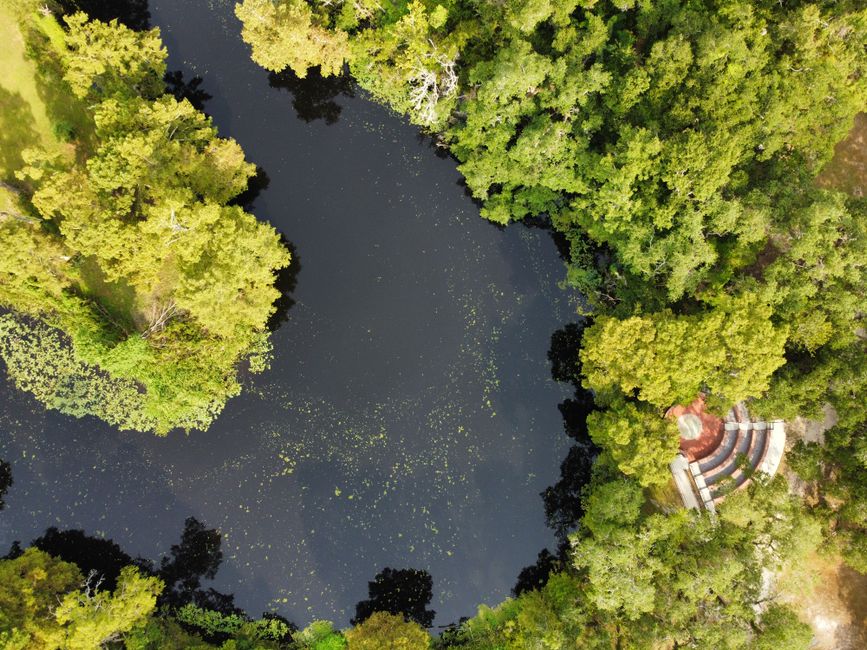
I landed in Savannah on a humid Thursday afternoon and did what most people do: walked straight to Forsyth Park, took the photo with the fountain, grabbed a beignet, and kept moving. By day three, though, I'd had enough of the scripted tourist circuit. I started asking the woman at my coffee shop where she actually went on weekends. Her answers led me down Spanish moss-draped side streets I wouldn't have found on my own, past wrought-iron gates and into parts of the city that felt less performed for travelers.
This is not a "locals only" manifesto—Savannah's historic district is genuinely worth seeing, and there's no shame in hitting the famous spots. But if you've got more than a long weekend here, or you're just tired of walking elbow-to-elbow with cruise passengers, there's a different Savannah a few blocks away. It requires no special access or insider knowledge, just a willingness to wander and an eye for quiet squares and side entrances.
Bonaventure Cemetery: Where the Actual Locals Are
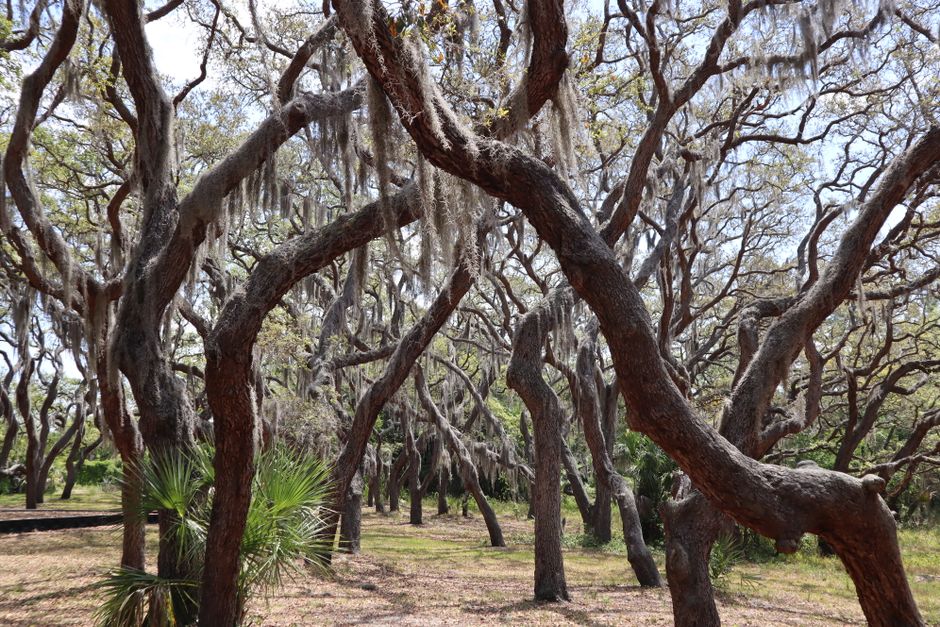
Most people don't think of cemeteries as destinations, which is precisely why Bonaventure is so peaceful. It's a few miles outside the central historic district, draped in the same Spanish moss you see everywhere else in Savannah, but the moss feels different here—older somehow, less picturesque. You can drive in, but the walk from the parking area sets the tone: oak alleys, no crowds, the sound of the water.
I spent an hour drifting through the grounds on a Tuesday morning. Families actually visit on weekends, yes, but it's never the packed, phone-clutching crush you get at Forsyth. The cemetery has real historical weight—it dates back to the 1800s, and the monuments tell actual stories instead of serving as Instagram set dressing. The river views from certain paths are genuinely lovely, and you get a sense of how Savannah relates to the water that you don't from the tourist-packed riverside. Bring water, wear the bug spray, and go early if you can. The light through the trees in morning is worth the early start.
Laurel Grove Cemetery South: A Second, Quieter Option
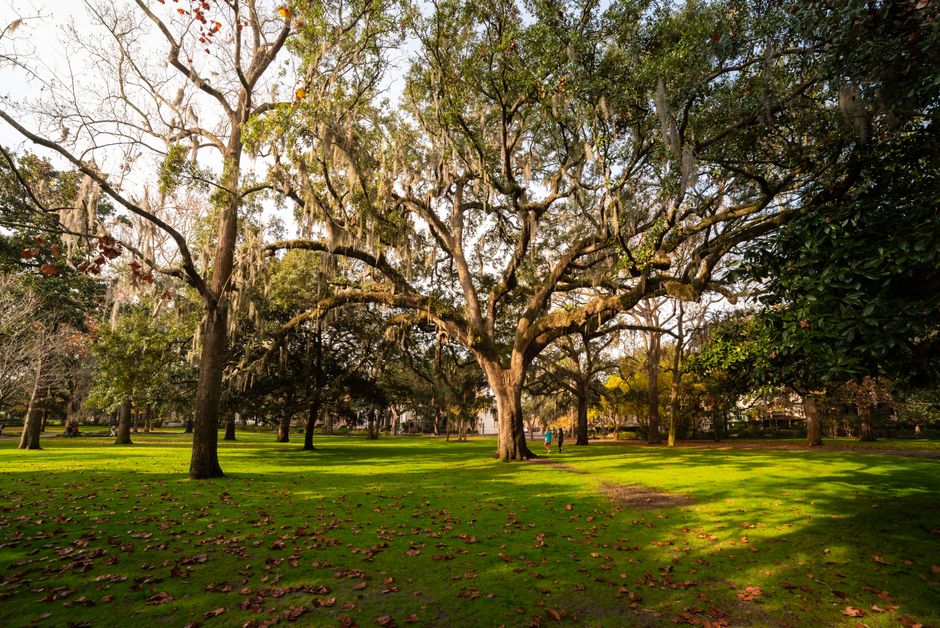
If Bonaventure gets too crowded—unlikely, but possible on weekends—Laurel Grove Cemetery South sits just north of the historic district and receives a fraction of the foot traffic. It's an African American cemetery established in the 1850s, and unlike Bonaventure, it carries less of the "popular historic site" energy. You're more likely to be alone here, which changes the feeling of the place entirely.
The ironwork is extraordinary: cast-iron markers in shapes and patterns you don't see in most cemeteries. The grounds are well-maintained but unmowed enough that it feels genuinely contemplative rather than groomed for visitors. There's no gift shop, no entry fee, no signs telling you what you're looking at. That directness—the lack of mediation—is refreshing if you've spent the previous days being sold Savannah in various ways.
Forsyth Park's Eastern Edge: The Real Walk
Everyone goes to the fountain, stands for a photo, and leaves. That's fine. But the eastern edge of Forsyth Park, the side that faces away from the main drags, is where locals actually sit. There's less shade, fewer food vendors, no performance—just benches, grass, and the occasional jogger.
I walked the perimeter one afternoon and ended up watching teenagers play basketball on the far courts, families with kids on the less crowded grass areas, people reading books who were genuinely invested in their reading. The mood is completely different from the fountain side. If you want to sit in Savannah without being part of Savannah the tourist attraction, this is where to do it. The park's huge; most visitors compress themselves into about 15% of it.
The Mickve Israel Temple and Small Jewish Museum
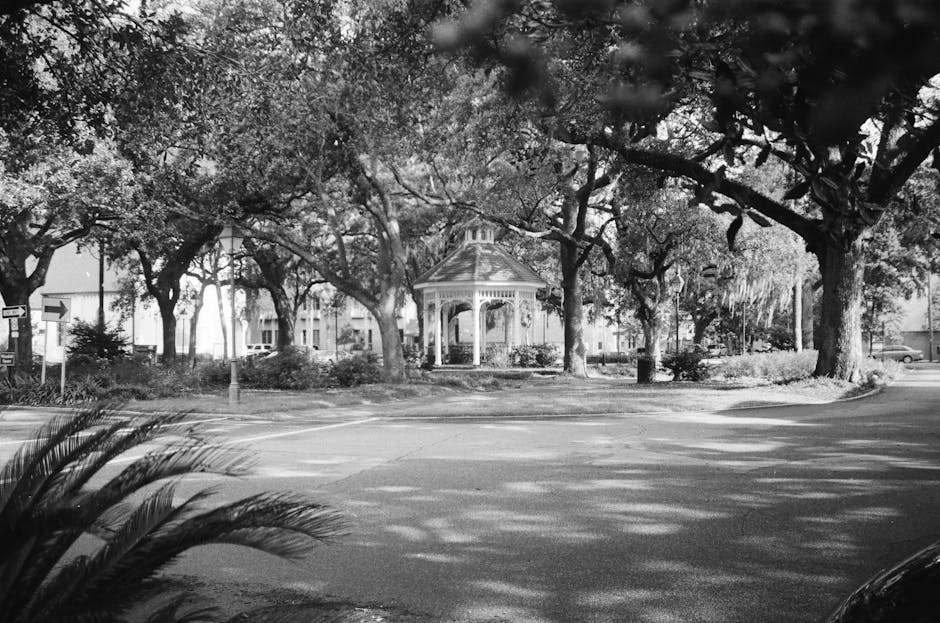
This sits on one of the historic district's quieter avenues, and while it's technically a tourist spot, almost nobody goes. The temple itself is one of the oldest Jewish congregations in North America, and the small museum contains artifacts that feel genuinely important rather than curated for accessibility. I spent maybe an hour there and never saw another visitor.
The building is beautiful—the Gothic Revival architecture is serious—and the museum's collection includes items brought over by early Jewish settlers, documents, ceremonial objects. There's no multimedia overload, no dramatic lighting design. It's straightforward: here is our history, here are the objects that matter to us. It's the kind of museum that reminds you why museums exist in the first place. Entry is modest, and the staff is genuinely interested in conversation rather than herding people through.
First African Baptist Church: A Different Kind of History
You might have heard about this one—it's on lists sometimes—but most tourists don't actually go inside. They walk past the exterior, maybe take a photo of the distinctive architecture, and keep moving. I went in on a quiet Wednesday morning, and I was alone for most of my time there.
The church is beautiful and architecturally significant, but it's also genuinely still in use, still a functioning congregation. That's different from a lot of Savannah's historic sites, which have a kind of museum-ified quality even when they're technically active. There's a guide on-site who explains the building's history and its significance in the community. The energy of the place—that it's not preserved in amber, that people worship here now—matters. It changes how you see it.
Oatland Island Wildlife Refuge: Not a Park, Exactly
This sprawls across 175 acres on Savannah's eastern edge, and it's not a zoo or a traditional nature preserve. It's more like walking through actual habitat with wildlife on-site. You'll see bison, bobcats, coyotes, various birds. The trails are straightforward and not crowded even in the afternoon.
I went on a recommendation from someone at a local bookstore, expecting maybe a 30-minute walk. I ended up spending nearly three hours. The paths are flat and easy, but the fact that you're walking through genuine habitats—not enclosed exhibits in most cases—changes the experience completely. You might see nothing, or you might see something. That uncertainty is nice. The gift shop is minimal, the signage is low-key. It feels more like a place that exists for the animals than for visitors, which is exactly the feeling you want from a wildlife refuge.
River Street's Western End: Where It Gets Quieter
River Street is tourist central, all cobblestones and restaurants and shops selling alligator-themed merchandise. But if you walk west past the main cluster—past where the crowds thin out—you find yourself among actual shipping-related businesses, quieter restaurants, and the river without the theater.
I walked out there on a late afternoon and found a restaurant I'll actually remember, half-empty, where the bartender wasn't performing Savannah hospitality but was just pouring drinks. The river views are the same, the history is the same, but the energy is local. People come here to eat dinner, not to collect experiences. It's not a "spot" in the Instagram sense—there's no landmark or famous building. It's just the street being itself instead of being Savannah for tourists.
What Gets Lost When You Skip the Margins
The longer I stayed in Savannah, the more I realized that most visitors see the city as a collection of sites to check off rather than a place where people live and work. That's not unique to Savannah—it happens in every historic tourist city. But Savannah's layout makes it easy to notice. You can stand in Forsyth Park and feel like you're on a set. You can walk River Street and feel like you're in a theme park approximation of a riverside town.
The quieter edges of the city—the eastern parts of the parks, the cemeteries, the side streets where restaurants serve locals instead of visitors—are where Savannah actually exists. None of this requires a insider guide or special knowledge. It just requires stepping sideways from the path that's been marked for you. The city rewards it.