
I showed up in Spokane on a gray April afternoon, rental car in hand, staring at a map of neighborhoods I'd never heard of. The city's smaller than you'd expect—fewer than 230,000 people—but it's got enough going on that you don't want to just grab any Airbnb and hope for the best. After spending time in a few different pockets of town, talking to locals at coffee shops and dive bars, I figured out which neighborhoods actually work for visitors who want to walk around, eat well, and not feel stranded at night.
Spokane's the kind of place where your choice of neighborhood really shapes your stay. Book in the wrong spot and you're driving everywhere. Book in the right one and you can walk to dinner, catch live music, browse bookstores, and feel like you're part of something real. Here's what I found.
Downtown Spokane: Best for Energy and Walkability
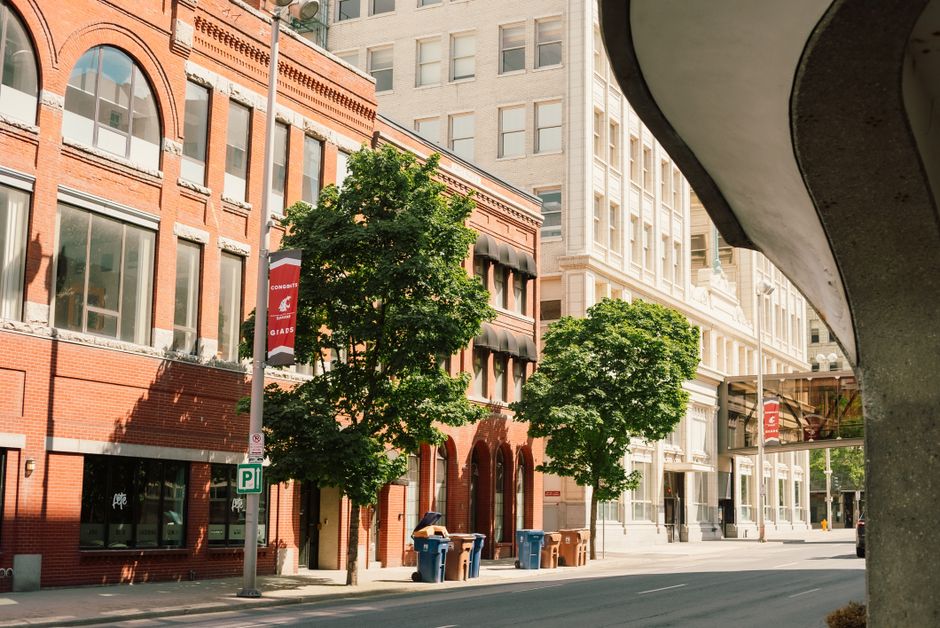
Downtown is the obvious play if you want to be in the action. The core sits along Riverside Avenue, which runs straight through town and connects you to most of what matters. You can walk from your place to the Fox Theater, River Park Square (the main shopping area), countless restaurants, and bars without much fuss. On a Friday or Saturday night, there's actual foot traffic. Live music happens regularly—the Crescent Theater and Bartlett stands out for indie and touring acts.
Safety-wise, downtown Spokane isn't perfect. Like most downtown cores of mid-sized cities, it has rough blocks. That said, the main commercial strips and the riverfront area feel fine during the day and through the evening. I felt comfortable walking around after 10 p.m. on weekends, and the police presence is visible. Stick to the well-lit, busier streets and you'll be alright.
The trade-off is noise. If you need quiet at night, you might hate it here. Sirens happen. Summer weekends bring crowds. But if you came to Spokane to actually experience the city and not just sleep in it, downtown works. Expect to pay $90–$140 a night for a one-bedroom Airbnb, more if it's in a restored historic building or has a view of the river. Peak season and festival weekends push higher.
Browne's Addition: Character and a Slower Pace
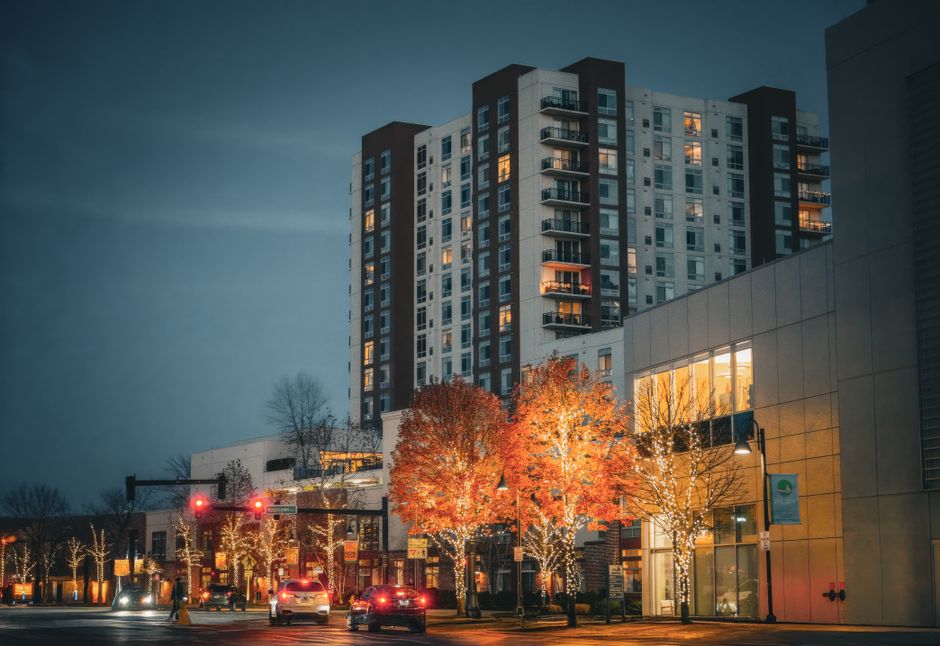
Head west from downtown and you hit Browne's Addition, a neighborhood that feels like someone's urban village. Tree-lined streets, restored Victorians and craftsman homes, local shops, and cafes make up the vibe here. It's walkable—you can get coffee at one of several spots, hit a used bookstore, grab lunch at a neighborhood restaurant—but quieter than downtown. The Historic Browne's Addition district is legitimately appealing, not gentrified-to-death, which is refreshing.
Castle Rock Coffee is the unofficial neighborhood anchor; you'll see people camped out working or reading. Around there, you've got places like Mizuna (upscale seasonal food, worth a reservation) and smaller spots that don't pretend to be anything bigger than they are. The Gonzaga University campus sits nearby, so there's a student presence without it feeling overrun.
Walking around at night feels safe and calm, which is exactly what you get when a neighborhood isn't trying too hard. There's less nightlife—fewer bars, no late-night venues—but that's the trade. If you want to go out, downtown is a short drive or rideshare away. Airbnbs here run $75–$110 a night, making it one of the better values. You get space, trees, and character without paying downtown premium.
South Hill: Quietest Option, Longer Walks
South Hill is the residential neighborhood where actual Spokanites live. Wide streets, single-family homes, tree-heavy blocks. It's genuinely quiet at night—the kind of quiet where you can hear a neighbor's dog bark from two houses over. If you're traveling with a group and want space (big Airbnbs with yards happen here) or you just need zero noise pollution, this is the place.
The downside: you're going to be driving to eat, drink, or do anything. South Hill isn't a walking neighborhood in the visitor sense. There's no retail strip, no casual bars, no restaurants you'd stumble into. You need a plan. That said, there are some solid spots—Steep Brewing serves coffee and food, and a few restaurants dot the edges—but it's not a spontaneous neighborhood.
Safety is excellent here. It's among the quieter, more stable residential areas. Nighttime walks are fine, though the point is you're not really walking for entertainment. Airbnbs run $70–$100 a night because there's less demand from tourists. If you're a writer, someone working remote, or you just want a soft place to land and aren't relying on walkability, it's solid. Otherwise, you might feel isolated.
West Central and Lindaman's: Emerging and Neighborhood-Focused
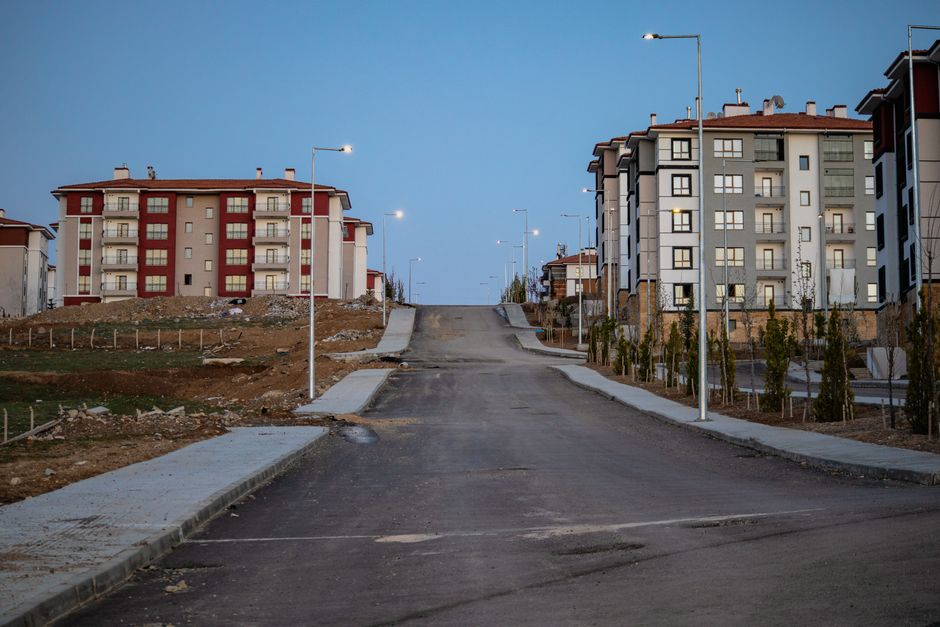
West Central (sometimes called the West End) is where younger folks and creative types have been settling. It's not polished like Browne's Addition, and it's not as established, but it's worth attention. You'll find breweries, small bars, vintage shops, and a real neighborhood feel. Lindaman's Market & Café anchors one part—it's worth a visit just to look around, and the coffee is solid.
Walkability is decent on the main stretches, though it's still developing. You can get around without a car if your Airbnb is on one of the key blocks, but it's not as seamless as downtown or Browne's. The nightlife is a mix of young dive bars and craft breweries. Safe, energetic without being loud, and still cheap.
This neighborhood appeals to people who want to feel like they're discovering something rather than following a guide. Expect $65–$95 a night. The tradeoff is that infrastructure is still coming together—some blocks feel more developed than others. But if you like independent bookstores, local breweries, and talking to people who actually live here, West Central gives you that.
Riverfront Park Area: Outdoor Focus, Less Walkable
If your trip is built around the Riverfront Park (carousel, gondola, occasional events), there are Airbnbs nearby. The area has improved over the past decade, and there's something to be said for waking up near the water and walking through the park. The problem is what comes after: there's no real neighborhood here. Once you've walked the park and hit the one or two restaurants nearby, you're back to driving.
Safety is generally fine; the park itself draws families and has good foot traffic. But once you venture past the immediate riverfront, you're in a mix of industrial and residential that doesn't offer much. If you want parks and quiet, it works. If you want walkable access to restaurants, bars, and shops, it doesn't.
Nightly rates are $80–$120, depending on what you book. The waterfront location commands a premium, but you're paying partly for views rather than neighborhood amenities.

The Practical Stuff: When to Go and What to Know
Summer (June–August) is peak season in Spokane, which means higher prices and full calendars of festivals and events. Spring and fall are pleasant and less crowded. Winters are cold and sometimes icy, but if you don't mind that, prices drop and the city feels less touristy.
Most Airbnbs require a two-night minimum, sometimes longer in peak season. Check cancellation policies—Spokane weather can be unpredictable. If you're coming for Hoopfest (a late-September fun run that brings thousands to town) or the Spokane International Film Festival (autumn), book months ahead.
Parking is usually free in neighborhoods, though downtown garages charge. Downtown Airbnbs often include parking, so ask. Public transit exists but is limited compared to bigger cities—you really do need a car if you plan to explore beyond your neighborhood. The airport is a short drive north; rideshare from there is usually $25–$35 to downtown.
Making Your Choice
Pick downtown if you want energy and nightlife and don't mind some urban grit. Browne's Addition if you want walkable, quieter, and charming. South Hill if you need real peace and space. West Central if you want to feel like a local and don't mind something less polished. Riverfront if outdoor access matters more than neighborhood character.
Honestly, Spokane's small enough that you can't really make a terrible choice. Even South Hill is only a ten-minute drive from downtown. The neighborhoods work together rather than feeling totally separate. So book where the vibe matches what you want, and you'll figure it out.


