I rolled into Tulsa on a Wednesday afternoon with a threadbare budget and no plans beyond Tuesday. The first thing I realized is that this isn't a city where you're forced to blow cash just to have a roof. The mid-tier motel corridor has actual character, the few hostel beds that exist are legitimately social, and if you're staying more than a week, the extended-stay game here is cheaper than most college towns I've crashed in.
The tricky part isn't finding somewhere cheap—it's knowing where cheap actually makes sense. Tulsa's walkable zones are tight. Downtown is real but small. The Blue Dome District is interesting but isolated. Most people staying budget are making a choice about location first, price second. This guide runs through the actual options and what you're actually paying for when you book each one.
The Hostel Scene (Such as It Is)
Tulsa doesn't have a hostel backpacker bubble like Austin or Denver. There are a couple of legitimate options, and that's it. The closest thing to a true hostel is a converted house operation that runs dorms and private rooms in the low-to-mid $30s for beds. These tend to come and go—hostel operators aren't getting rich in Oklahoma—so your best move is checking Hostelworld or calling ahead. When one is active and operating, the vibe tends to be quiet and domestic rather than party-forward. You'll meet the occasional long-term traveler or someone between jobs, but this isn't a place where you're guaranteed a full common room at night.
The upsides: genuinely cheap, usually includes Wi-Fi and a kitchen, and the owners often know local spots worth hitting. The downside is inconsistency. One might close for a month without warning. Another might be booked solid because it's the only one running. Solo travelers expecting a hostel culture should reset that expectation—Tulsa hostels are functional pit stops, not social hubs. If community and cheap are both on your priority list, you might be better served by a motel that tolerates long-term guests and has a decent lobby setup.
Budget Motels with Real Staying Power
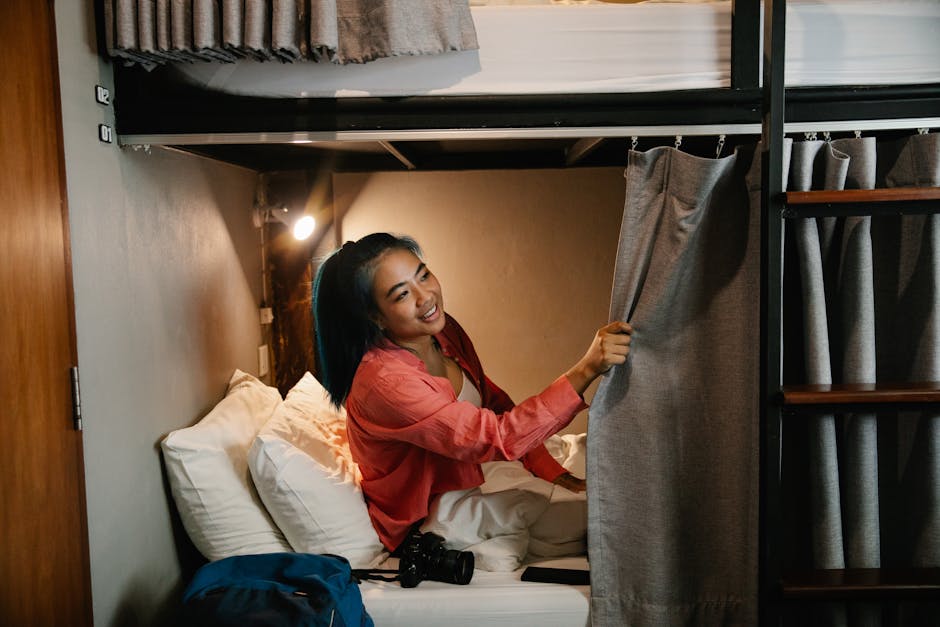
The $45–$70 per night motel tier is where Tulsa's budget economy actually runs. There's a cluster of these along 11th Street east of downtown—budget chains and independent operations with weekly rates that drop the nightly cost into the $35–$50 range if you commit to seven days. Quality varies wildly. Some are genuinely maintained, others are working with what they've got and not doing great at it. My general rule: look at recent Google and TripAdvisor photos before booking, because the official photos are often years old.
The better-maintained independents in this price range often have owners who've been there for years and actually care about repeat business. They're more likely to negotiate on extended stays, less likely to nickel-and-dime you with resort fees, and sometimes offer microwaves and fridges in room. Chain motels like Super 8 or Red Roof are more consistent but also more impersonal—they won't negotiate on price, but you know what you're getting. Location matters here too. 11th Street gives you reasonable access to downtown via car or occasional rideshare, but you're not walking anywhere interesting. If you want to be closer to Blue Dome or closer to central Tulsa's actual restaurant and bar scene, you'll pay more or you'll be taking transit.
One practical note: weekly rates are real, but they're usually only available if you book directly with the motel, not through an app. Call ahead and ask for the weekly rate, and be prepared to show ID and possibly a deposit. Some places will also let you rent by the day but hold a longer-stay rate if you give them a heads-up you're sticking around. It's not negotiation—it's just how small motels work when they're trying to fill beds.
Extended-Stay Hotels When You're Staying Weeks
If you're in Tulsa for three weeks or longer, an extended-stay chain becomes smarter math than a motel night-by-night. Places like Extended Stay America, WoodSpring Suites, and Candlewood Suites run $50–$80 per night on weekly and monthly rates, with full kitchens, laundry, and a bit more space than you'd get in a motel room. The nightly cost might seem higher, but the math flips when you're looking at thirty days.
These are targeted at displaced workers and corporate relocations, so the vibe is neither backpacker nor tourist—it's just people living there for a while. That's actually fine. You're not looking for scene, you're looking for stability and somewhere to cook. The locations are usually decent enough for your own transport but not optimized for walking. Extended stays typically require a refundable deposit and proof of income or a credit card, so there's more friction than a motel, but you also get better consistency in maintenance. Wi-Fi is standard, and most have at least a small fitness area if that matters to you.

Location Strategy: Downtown vs. Distance
Here's the real tension in budgeting for Tulsa: the cheapest beds are not downtown. Downtown Tulsa has maybe two budget options that are actually acceptable, and both run $60+. The cheaper motels are on 11th Street, which is several miles out. This means your commute cost—whether that's rideshare, a rental car, or transit—eats into your savings.
If you're only staying two or three nights and want to walk to actual bars and restaurants, stay downtown and pay the premium. It's worth $20–$30 more per night to not waste it on transport. If you're staying a week and planning to drive or you're just sleeping and working somewhere else in the city anyway, the 11th Street corridor makes sense. If you're staying long-term and not renting a car, an extended-stay place with better location—even at the same price—will serve you better than a distant motel because you'll actually leave and do things instead of staying isolated.
Transit isn't nonexistent in Tulsa but it's not comprehensive either. The local bus system exists but doesn't run late. Rideshare works but adds up fast. Most people on a real budget end up renting a car eventually or finding a place walkable to wherever they need to be, which usually means paying a bit more for location upfront.
Actual Costs and What They Include
Let's be concrete. A hostel bed, when one's available and operating, runs $28–$40. A motel room on 11th Street runs $45–$65 for a night, $35–$50 if you get a weekly rate. A decent budget chain in a better location runs $55–$75. An extended-stay monthly breaks down to $50–$70 per night depending on the chain and how long you commit.
None of these typically include daily housekeeping. Most include Wi-Fi. Most include some version of a TV and a bathroom, sometimes with a tiny fridge and microwave. Parking is usually free or included. Pet fees exist if that's relevant. What's not included: breakfast (except a few chains with a basic continental), daily linens unless you ask, or noise abatement. Budget places are what they are—they're not selling experience, they're selling a bed.
If you're trying to stretch a month on a shoestring, roughly $1,200–$1,500 covers your room. That's before food, transit, and actual living. Tulsa itself is cheap once you're here—groceries, eating out, attractions—but the rent math still matters.

Questions Before You Book
Call before you book anything online. I know that's not modern travel advice, but budget places in Tulsa are often better negotiators in person than through apps. Ask about weekly rates, ask if there's flexibility on length of stay, ask if they've had recent updates. Ask about the actual neighborhood if you're unfamiliar—some pockets of 11th Street are fine, others less so.
Ask about kitchen access, even if you don't think you'll cook. You will. Ask about laundry. Ask if there's a common area or lounge where you can actually spend time that isn't your room. Ask about noise policies and check-in times. Ask if they've had issues with bed bugs—they'll answer honestly or they'll refuse to answer, and either response tells you something. Check Google Street View of the actual building, not just the sign. Read reviews from the last three months, not the top-rated ones from five years ago.
Budget travel requires more due diligence than expensive travel, not less. You're not paying for someone to manage the details for you, so you manage them yourself.
Frequently Asked Questions
Are there actual hostels in Tulsa Oklahoma
Tulsa has very limited hostel options compared to larger cities. One or two small hostel operations run occasionally, typically in converted houses with dorm beds in the $30–$40 range, but availability and hours vary. Your best bet is checking Hostelworld or calling ahead to confirm current operations. If nothing is available, budget motels with weekly rates ($35–$50/night) are a more reliable alternative.
What is the cheapest place to stay in Tulsa OK
The cheapest reliable options are budget motels on 11th Street east of downtown, running $45–$65 per night or $35–$50 with a weekly rate. Hostel dorms, when available, can be $28–$40. For extended stays of three weeks or more, extended-stay chains break down to $50–$70 per night on monthly rates. Weekly motels are usually only available if you call directly rather than booking online.
Is it cheaper to stay in a motel or extended stay in Tulsa
For stays under a week, budget motels are usually cheaper at the nightly rate. For stays over three weeks, extended-stay chains become better value once you factor in the weekly or monthly discount, typically running similar or slightly lower per-night costs while offering full kitchens and laundry. Do the math based on your actual length of stay before booking.
Where should budget travelers stay in Tulsa near downtown
Downtown Tulsa has limited budget options and they run $60+ per night. The cheaper motels are on 11th Street several miles out, requiring rideshare or a rental car. If walkability to restaurants and bars matters to you, staying downtown is worth the extra cost. If you're just sleeping, the distant motels are cheaper and simpler if you have transport.
Which place would you book?