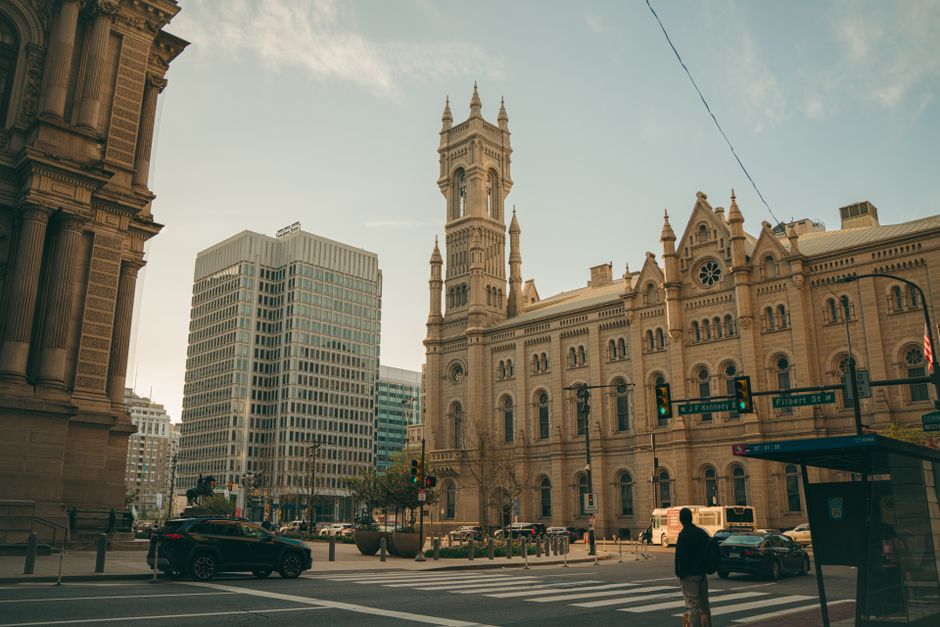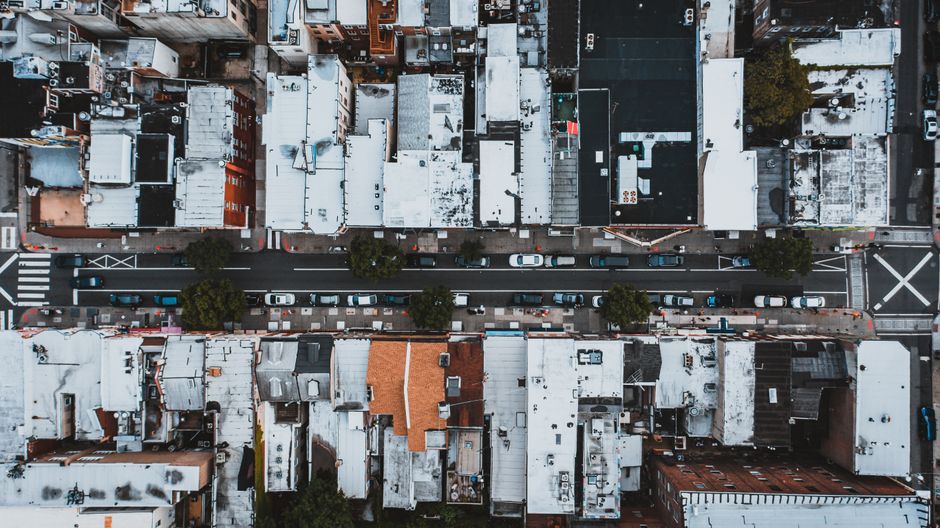
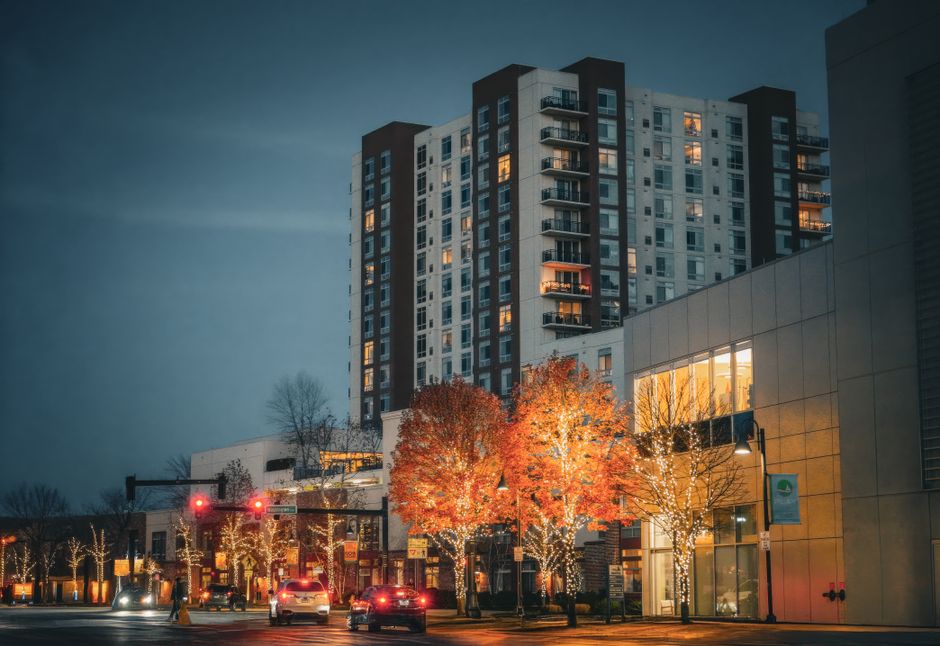
I rolled into Tulsa on a Friday afternoon with zero expectations and a half-full tank. Within an hour, I understood why people who grew up here actually come back. It's not a destination city in the Instagram sense, but it's got bones—real architecture, actual bars where locals gather, a river that's been engineered into something usable. For a short stay, picking the right neighborhood makes the difference between a forgettable hotel stay and actually getting a feel for how the city works.
Tulsa's been through enough cycles of boom and bust that each neighborhood has its own personality, distinct enough that you'll notice. The question isn't really whether Tulsa is worth visiting—it's where you should plant yourself for a few days to see it straight.
Downtown and the Brady Arts District
This is ground zero if you want to walk to restaurants, galleries, and bars. The Brady Arts District has been the city's genuine cultural anchor for the past fifteen years, and it shows. You'll find the Woody Guthrie Center, a functioning art scene with actual humans in it, live music happening most nights at places like Cain's Ballroom (the real deal, not a touristy approximation), and enough coffee shops that you don't feel like you're roughing it.
Walkability here is legitimate. You can cover most of what matters on foot between 11th and 15th Streets, Boston to Main. The river walk is improving and people actually use it. At night, it's reasonably busy—there's foot traffic, lit storefronts, the kind of vibe where a solo traveler won't feel conspicuous. It's not raucous or threatening. Just occupied.
The trade-off: this is the priciest area. You're looking at $120 to $200 a night for a decent one-bedroom Airbnb, sometimes higher depending on what's available. If you want energy and convenience, that's the floor. Safety is good—the police presence is visible, and the foot traffic helps. The neighborhood quiets down after midnight, which some people appreciate.
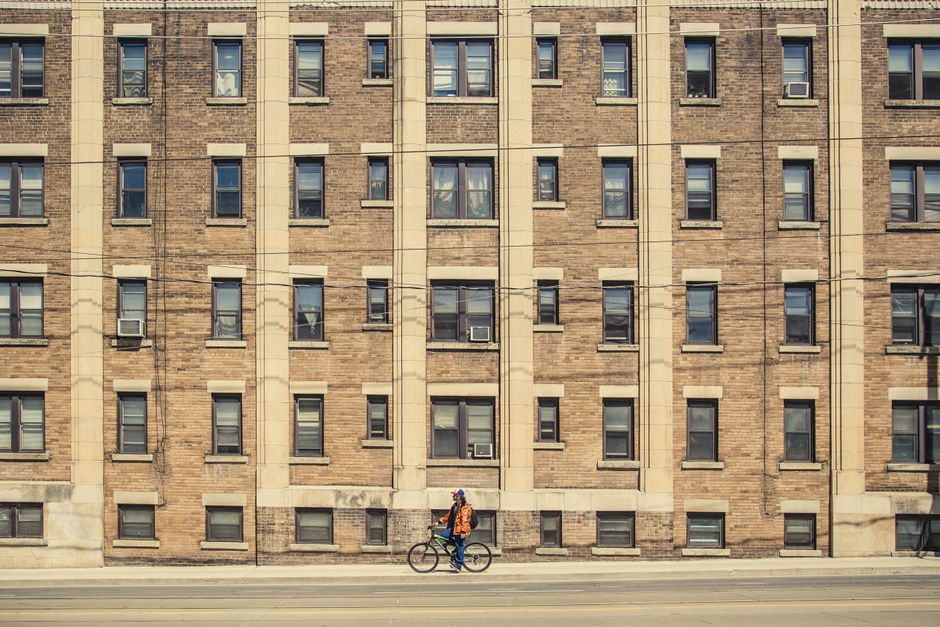
Midtown
A few blocks south of Brady, Midtown is what happens when young professionals and restaurateurs find a neighborhood before it's cool enough to be expensive. There's less gallery-walk pretension here and more actual living. You've got good tacos, solid bars, and the kind of place that doesn't feel like it's performing itself.
Walkability is decent, though it's a bit more spread out than Brady. You can walk between businesses and residences, but you're not stumbling across interesting stuff on every corner. That said, there's a lower-key appeal—it feels less curated. If you hate that polished-neighborhood energy, Midtown's your move. Safety is fine. It's quieter than Brady at night, which is either the point or a problem depending on what you want.
Pricing sits in the $90 to $140 range for Airbnbs, which is notably cheaper than Brady without sacrificing much in terms of location or access. You're close enough to everything that Ubers are short and cheap. This is a solid middle ground if you want to be near action but not sitting in the middle of it.
Cherry Street and South Tulsa
Cherry Street is the neighborhood that feels most like a real suburban village that accidentally became desirable. It's got the kind of foot traffic where people linger—ice cream shops with lines, bookstores that host events, a weekly farmers market when weather permits. It's the neighborhood where you'll see couples on dates and families that planned to go out.
Walkability is excellent if you stay near the Cherry Street corridor itself. Walk outside that immediate strip and you're back to car-dependent sprawl, which is the broader reality of South Tulsa. But if your Airbnb is in the right spot—and many are—you're good. It's quieter than downtown, more residential, but not dead. There's nightlife, just less of it.
Safety is solid. The neighborhood has that prosperous, well-maintained feeling that correlates with fewer problems. You're unlikely to encounter sketchy situations. Expect Airbnbs in the $85 to $130 range. This is a good pick if you want to be near activity but prefer a neighborhood feel to downtown energy, or if you're traveling with someone and want a quieter base.
The Pearl District
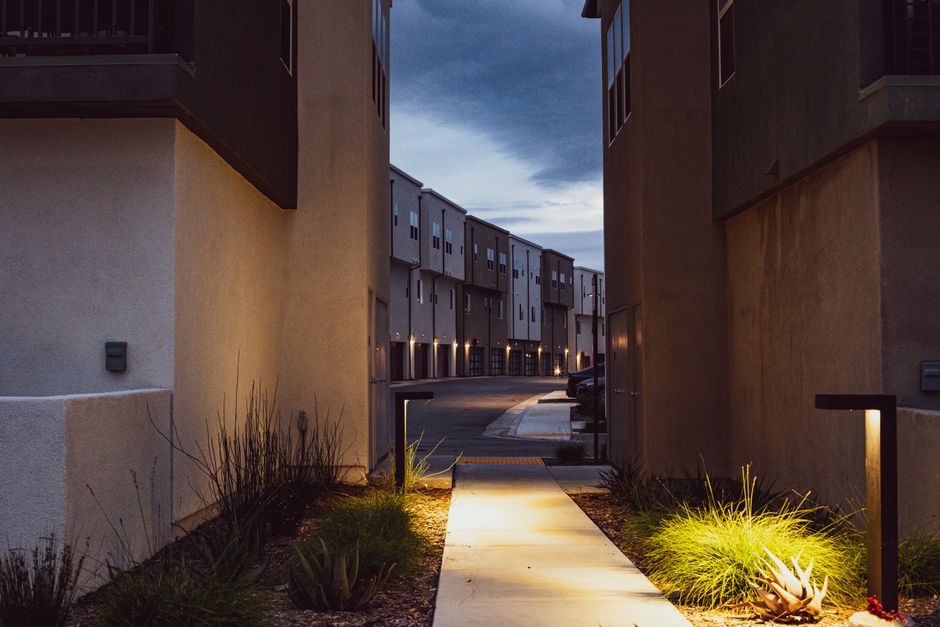
The Pearl is newer as a neighborhood identity—it's basically the stretch along 11th Street heading east from downtown, and it's where a lot of the city's development money has gone in the past five years. Galleries, wine bars, Instagram-ready storefronts. It's not quite as established as Brady, but it's getting there.
Walkability is solid and improving. You can walk between venues, though again it's a bit more linear than circular. The neighborhood is still finding its voice, which means it's either about to peak or genuinely becoming something. As of now, it's pleasant and safe, with that new-neighborhood cleanliness that some people love and others find sterile.
Nightlife is moderate. There are bars and restaurants, but they're not packed with the density of Brady. At night, it's quieter—more people heading home than staying out. Airbnb prices are competitive, $95 to $145 a night, with less pressure than Brady. If you want walking distance to downtown without being downtown, this works. It's also the neighborhood that feels most like it's still becoming something, which can be interesting or anxious depending on your mood.
Skirvin Village and 15th Street
This is the hidden option for people who want the neighborhood feel without the price tag. Skirvin Village is residential, a few blocks of solid Austin-neighborhood-energy in a much smaller city. There are good restaurants, local bars, and that sense that you're actually in a neighborhood rather than a tourist corridor. It's what happens when a gentrifying area happens naturally, slowly, rather than as a strategic urban plan.
Walkability is good within the immediate area, though less extensive than downtown options. You're close enough to drive or Uber to most stuff easily. Safety is fine—it's a residential neighborhood with regular people doing regular things. Quiet at night, which matters if you want sleep.
Airbnbs here run $80 to $120, the most affordable range I've found without compromising on location or safety. It's a genuine local neighborhood where tourists don't flock, which some travelers prefer. Trade-off: you're not walking to downtown nightlife. But if you have a car or don't mind taking rideshares, it's a legitimate money-saver and you get a better sense of how the city actually functions.
Practical Notes Before You Book
A few things worth knowing. Tulsa summer heat is real—if you're visiting June through August, air conditioning isn't negotiable. Check that your Airbnb has it. Spring and fall are genuinely the best times, weather-wise.
Cars help. Tulsa's not a city where you can see everything on foot the way you can in denser places. But if you stay in Brady or Midtown, you can walk the neighborhood and Uber to other spots easily enough. Gas and parking are cheap, which is a Tulsa advantage.
Weekend versus weekday matters more than you'd think. Brady and Midtown are legitimately different on a Saturday night versus a Tuesday. If you want nightlife, plan accordingly. If you want quiet, book weekdays.
Price fluctuates seasonally. What I've quoted here is realistic for mid-season. Summer and holidays push everything up slightly. Winter can actually be cheaper if you don't mind the occasional cold snap.
Check reviews carefully, especially on walkability claims. What feels walkable to an Airbnb host and what feels walkable to an actual pedestrian can diverge. Read what other solo travelers or people without cars say.