
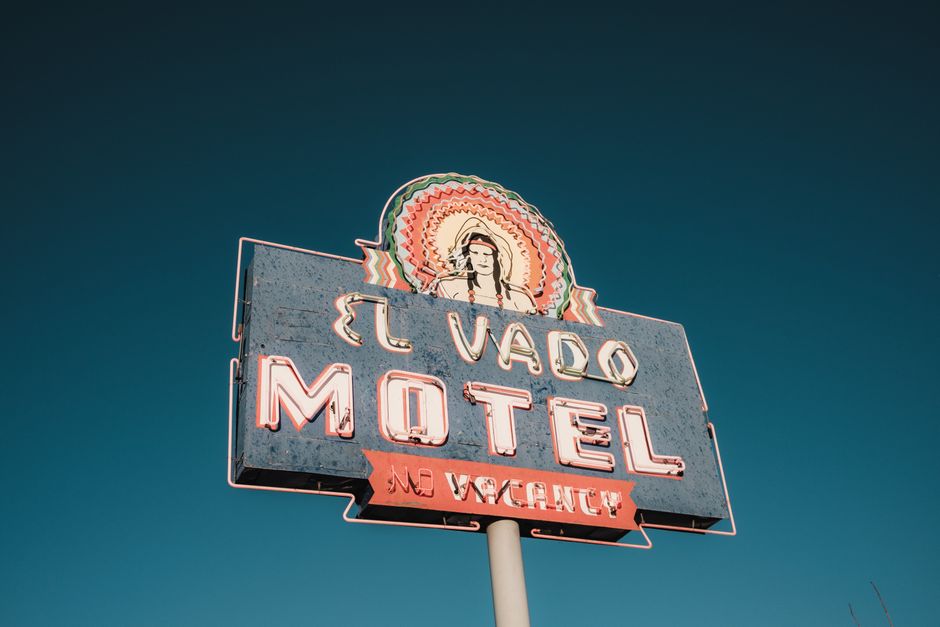
I rolled into Albuquerque on a Thursday afternoon with the usual playlist of must-see spots queued up in my phone. You know the ones—the attractions that dominate every travel blog, the Instagram checkpoints, the places you feel obligated to visit because everyone says you should. But after three weeks of poking around the North Valley, Old Town, and everything in between, I've learned that the city's reputation and its reality don't always line up. Some famous landmarks are legitimately worth the trip. Others? Not so much. Here's what I actually think, for what it's worth.
The Balloon Fiesta (Probably) Isn't Worth the Chaos
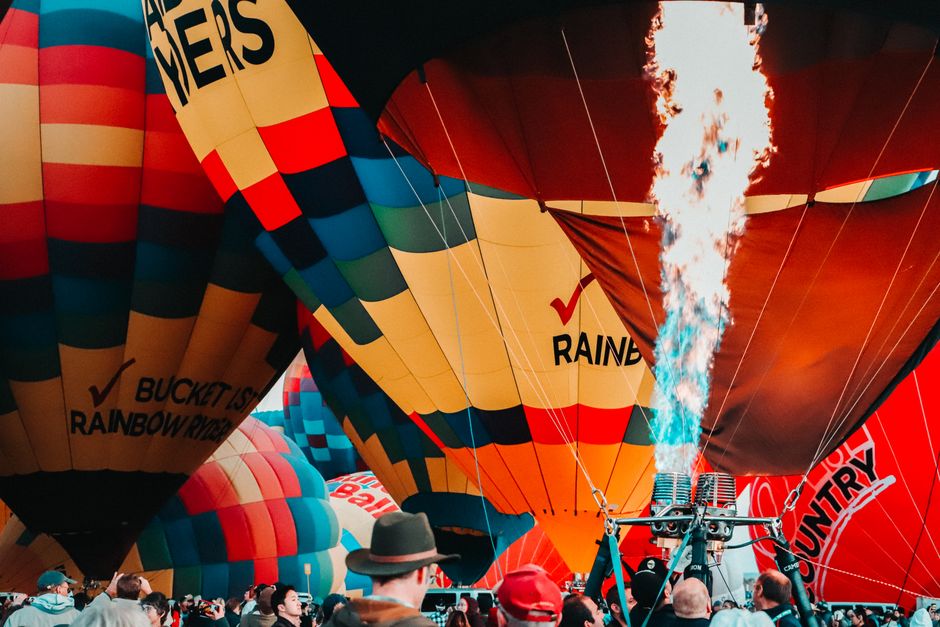
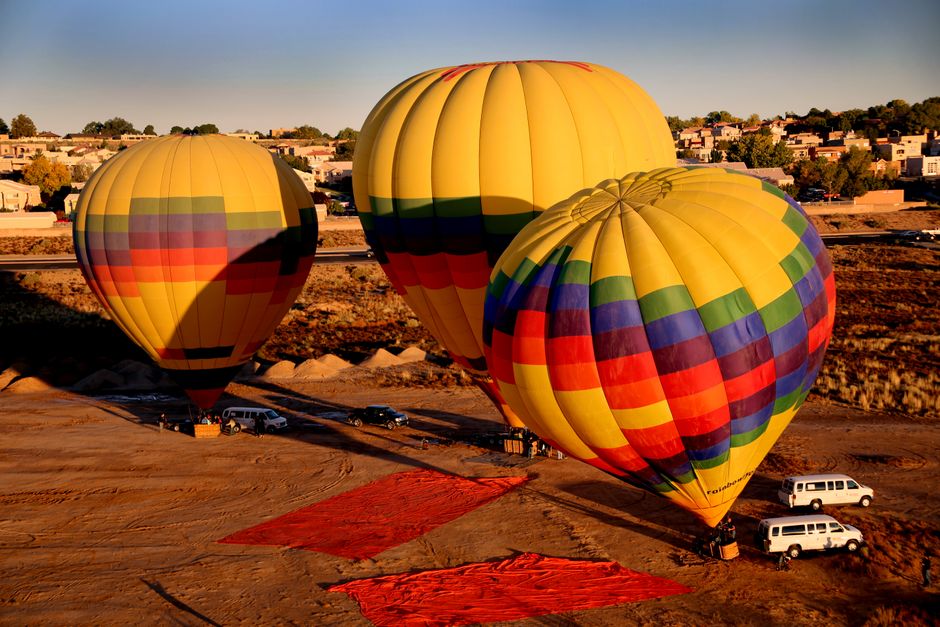
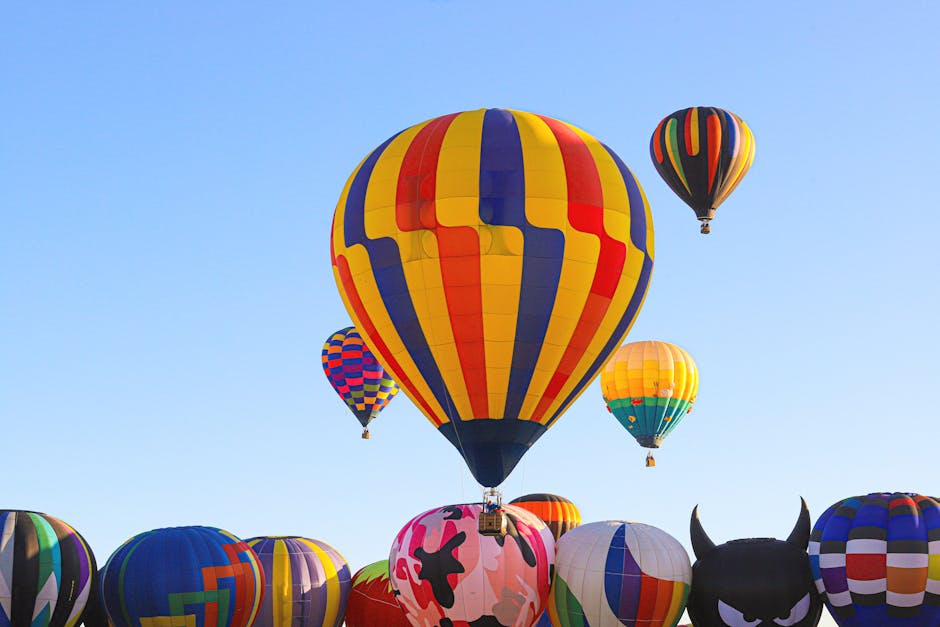
Let me be clear: if you can time your trip for early October during the Albuquerque International Balloon Fiesta, and you're genuinely passionate about hot air balloons, go. The thing is massive—over 500 balloons, pre-dawn launch, the whole scene. But for most casual travelers, it's a test of patience and a gamble on the weather.
I went on a misty morning in spring (wrong season, I know) just to see the grounds, and even then, the parking lot situation was grim. During the actual fiesta, you're looking at 4 a.m. wake-ups, traffic that would make you reconsider your life choices, and $30+ parking if you want a decent spot. The photos all look transcendent, but standing in a field with 50,000 other people, trying to get your phone above your head to capture the moment? That's not the same as actually experiencing it.
If balloons are your thing, sure. But if you're going because a guidebook told you to, spend that time and money elsewhere in the city.
Old Town Is Pretty, But It's Also Crowded and Touristy
Old Town has charm. I won't pretend it doesn't. The adobe buildings, the San Felipe de Neri Church, the narrow streets with their historical weight—it's genuinely one of Albuquerque's better-preserved neighborhoods. But it's also been thoroughly packaged for tourism, which means you're paying tourist-zone prices for mediocre Mexican food and browsing the same T-shirt shops you'd find anywhere else.
The real problem is the expectation management. Most visitors assume Old Town is the heart of Albuquerque's culture. It's more like the city's greatest hits album—helpful if you've got an afternoon and no car, but not the real thing. Walk through, grab a coffee, take your photos. Just don't pretend you've understood the city by doing so.
Sandia Peak Tramway Has a Weird Vibe and Spotty Reliability
The tramway sounds great on paper: ride 2.7 miles up to 10,378 feet, hike at altitude, enjoy views of the whole metro area. In practice, it's often windy enough that they close the thing, the ticket prices have climbed, and the summit experience feels oddly sterile for the cost.
When it's running and weather cooperates, sure, the views are impressive. But I spent $25 to go up and back with maybe 20 minutes of time at the top before clouds rolled in. The restaurant at the summit is functional but forgettable. If you're serious about high-altitude hiking in New Mexico, drive toward the Sandia foothills instead and hike Domingo Baca Canyon or La Luz Trail on your own terms, free and with more solitude.
The Indian Pueblo Cultural Center Is Fine, Just Know What It Is
This one isn't overrated exactly—more like overpromised. The IPCC is a solid museum and cultural resource that tells the history of the 19 Pueblos in New Mexico. It's well-executed, and the gift shop actually sells work from Pueblo artists rather than mall-quality knockoffs.
But it's positioned as a major attraction, and it's really a museum. If you're into ethnography and indigenous history, you'll spend a few hours happily. If you're looking for a wild, immersive cultural experience, you might find it underwhelming. The admission price ($12-14) is reasonable, but manage your expectations. It's educational first, experiential second.
What Actually Surprised Me: The Nob Hill District
If you've read one travel guide, you've probably heard of Old Town. You've probably heard of Sandia Peak. But very few outsiders talk about Nob Hill, which is genuinely where younger Albuquerque happens. It's a walkable neighborhood southeast of downtown—old 1920s and '30s homes mixed with independent cafes, galleries, vintage shops, and restaurants that actual locals eat at.
I spent an entire afternoon wandering around Central Avenue through Nob Hill, and it felt like I was actually in a city, not a curated tourist loop. Scalo Northern Grill, Sophia's Place, Scrabble Brewing—real restaurants with real food. Local galleries that aren't trying too hard. Weird bookstores. A used record shop where the guy working seemed to actually care about music. This is the Albuquerque that doesn't make it onto postcards, and it's infinitely more rewarding than another walk through Old Town.
Skip the Petroglyphs Tour; Just Go to the Foothills
Petroglyph National Monument gets promoted as a major sight—ancient rock art, spiritual significance, you know the pitch. But the main tourist draw, the visitor center loop, feels somewhat sterile and heavily managed. You're following ropes and boardwalks past carved rocks, and yes, it's interesting historically, but it lacks the sense of discovery you might expect.
Instead, explore the Sandia Foothills on your own. Drive up toward Domingo Baca Canyon or Piedra Lisa, park, and hike. You'll see rock art, juniper trees, the spine of the Sandias, and almost no other people. It's free, it's quieter, and you'll feel like you actually found something rather than consumed a packaged experience. This goes for a lot of Albuquerque—the unofficial stuff is often better than the official stuff.
The Real Gem: Meow Wolf (If You're Into That)
Meow Wolf Santa Fe gets the lion's share of attention, but Albuquerque got its own Meow Wolf location a few years back, and it's substantial without the Santa Fe crowds. If you're not familiar with the concept: it's an immersive art experience, trippy and playful, nothing like a traditional museum. You walk through these richly detailed, utterly strange environments and interact with the art.
It's expensive ($25-30), and it's not for everyone—some people find it gimmicky. But if you appreciate contemporary art installations that prioritize experience over explanation, it's genuinely interesting and much more approachable than the Santa Fe version. I spent two hours in there and could've easily stayed longer. It's also one of the few Albuquerque attractions that feels authentically creative rather than heritage-focused.
Late-Night Chile and the Real Food Culture
Here's what no travel guide emphasizes enough: Albuquerque has a serious food culture built on red and green chile, and it's not about expensive restaurants or food-tour validation. Walk into any local diner—Sadie's, Sophia's, the diners on Central—and order the chile. New Mexico red chile on your eggs, green chile on your enchiladas. This isn't exotic food tourism; it's just what people eat here.
The best food memories I have from Albuquerque have nothing to do with restaurants I found on a "best of" list. They're from places where I was the only tourist, eating breakfast at 7 a.m., watching construction workers and regulars work their way through plates of huevos with chile. That's the actual Albuquerque food culture, and it's worth seeking out way more than any farm-to-table establishment will ever be. Go to the neighborhoods, not the reviews.


