I arrived in Albuquerque on a March afternoon when the light hit the Sandia Mountains just right, turning them the color of rust and honey. The city sprawls across high desert in a way that demands you pick your spot carefully. After spending time in several neighborhoods over a couple of weeks, I learned that Albuquerque doesn't really have a single center the way most cities do. Instead, it's a collection of distinct pockets, each with its own rhythm and crowd.
If you're moving here or just visiting for a few days, where you land matters. The difference between staying in Old Town versus Nob Hill versus the North Valley is the difference between seeing Albuquerque as a tourist attraction, a living breathing place, or a bedroom community. I've been all three kinds of person in this city, and I want to help you figure out which neighborhood actually makes sense for who you are.
Old Town: For the Tourist Trail (But It Works)
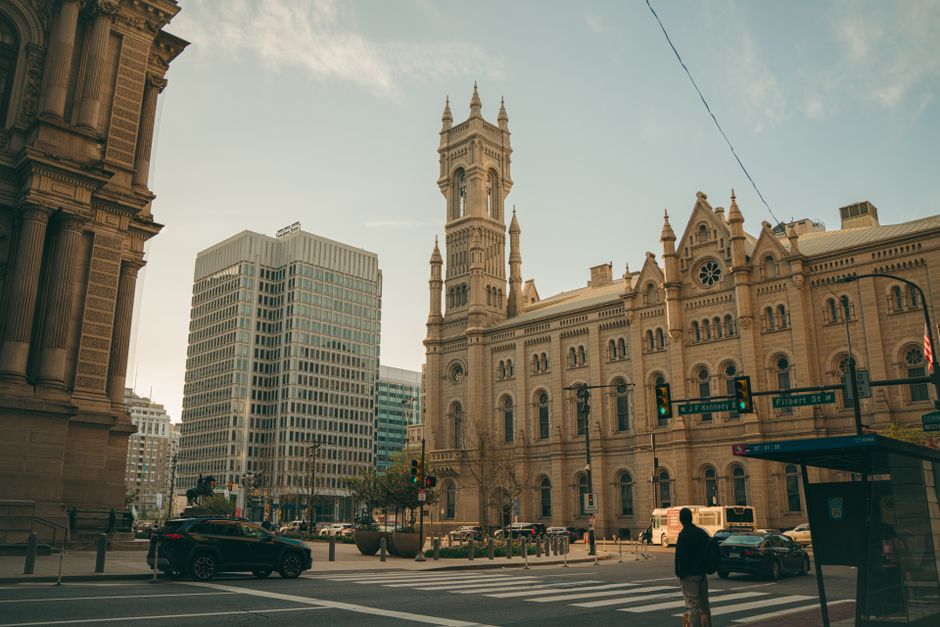
Old Town is the obvious starting point for visitors, and I'm not going to pretend it isn't. The cluster of adobe buildings, galleries, and restaurants around the San Felipe de Neri Church is genuinely pleasant, and there's a reason every out-of-state license plate ends up here.
The neighborhood has the highest concentration of gift shops, restaurants, and hotels in the city. You can walk the whole thing in an afternoon. The galleries are real—local artists rent space here—though you'll also find the expected tchotchke vendors. If you're in town for 48 hours and want to feel like you've "done" Albuquerque, this is where you do it.
But here's the thing: this is not where locals hang out, and it's definitely not where I'd recommend renting an apartment if you're moving here permanently. The parking situation is nightmarish, especially around the central plaza. Rents are inflated relative to the space you get. It's good for a hotel night or an afternoon walk, less good for actually living.
Nob Hill: Where Young Professionals Actually Settle
Head east from Old Town and the character changes immediately. Nob Hill, concentrated around Central Avenue between Carlisle and San Pedro, is the neighborhood I kept coming back to. It's walkable—genuinely walkable, not in the Albuquerque sense of "you can walk to a few things." You've got vintage shops, real coffee places, bars with bartenders who know what they're doing, and restaurants that aren't built for tourists.
I stayed in an Airbnb near the corner of Central and San Pedro for five days and never felt like I needed to get in a car. The neighborhood has that slightly worn, independent-bookstore-and-thrift-store energy that appeals to people in their twenties and thirties. Rents are higher than other parts of the city, but they're still reasonable compared to equivalent neighborhoods in Denver or Portland. Young professionals, artists, and people who work remotely find their footing here fast.
The downside: it's quirky in ways that can feel precious if you're not in the mood for it. There's a certain type who moves to Nob Hill and never leaves, treating it like a small bohemian enclave. And while the walkability is real, it's still Albuquerque—you'll still need a car for most errands. The nightlife is decent but not abundant. If you're looking for a proper restaurant scene or bars that are crowded on weekends, you'll find some of that here, but not on the scale you'd get in bigger cities.
The Heights: Family-Friendly and Convenient
The Heights neighborhood, spreading north and west from the University of New Mexico area, is where families and long-term residents actually live. This is the Albuquerque that works for people with kids and mortgages.
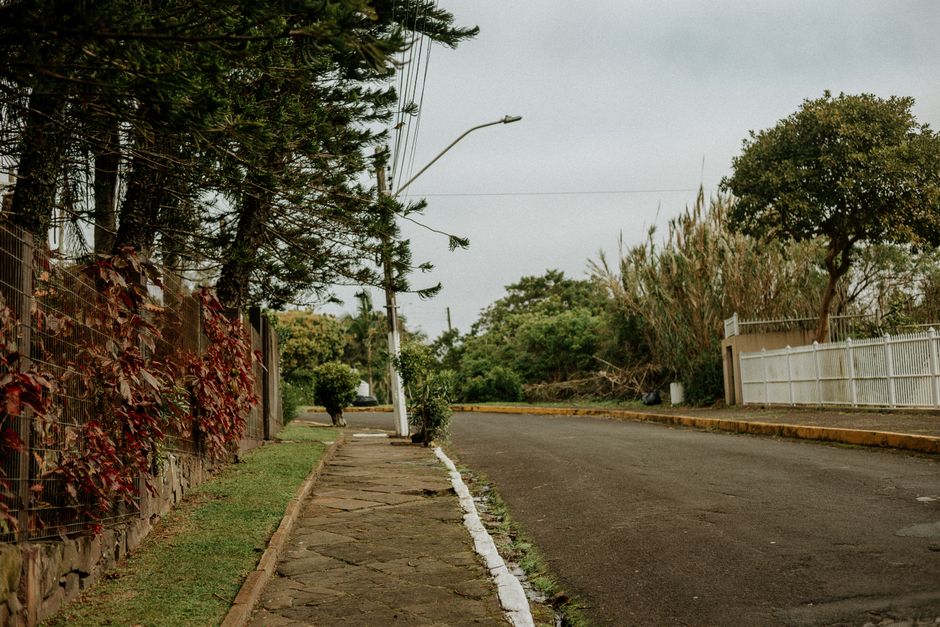
You've got shopping at Uptown and mixed neighborhoods with parks, schools, and the kind of infrastructure that makes everyday life easier. The University area itself has student housing and that slightly chaotic energy you'd expect, but move west into the residential Heights proper and you get tree-lined streets, reasonable houses, and a sense of actual community. There are locally owned restaurants, decent grocery stores, and the kind of Saturday-morning bustle that comes with a functioning neighborhood.
It's not trendy. You won't find vintage cocktail bars or gallery openings. But it works. Families who move to Albuquerque for jobs often end up here because the schools are okay, the houses aren't absurdly expensive, and you can actually do normal daily life without it feeling like a chore. If you're relocating with kids or you want to be near the University of New Mexico, this is the neighborhood that delivers on its promise.
Old West Side: Authentic and Underrated
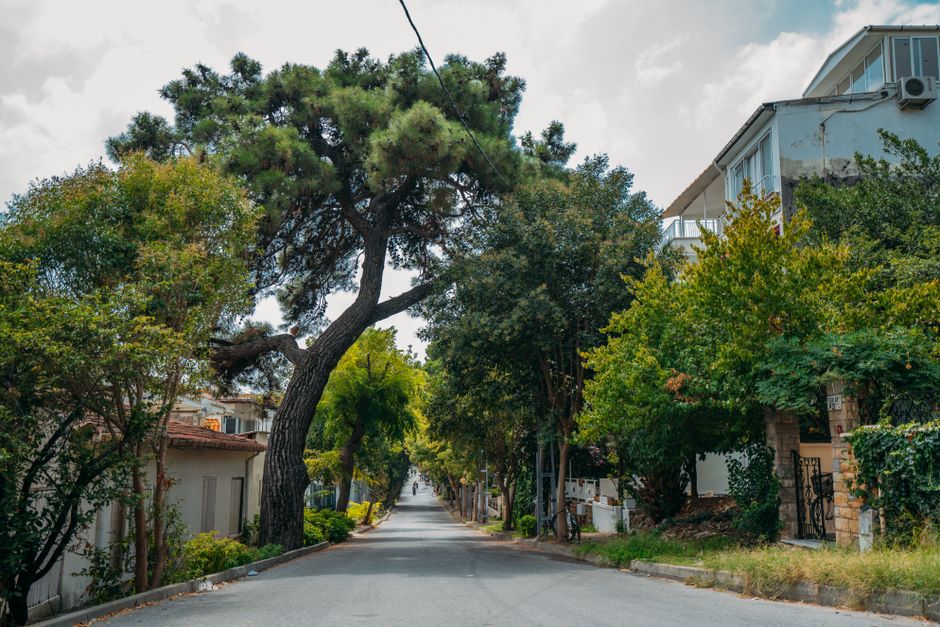
I didn't spend as much time in the Old West Side as I probably should have, but I've talked to enough longtime Albuquerqueans to know that they value it differently than visitors do. This neighborhood, west of Old Town and closer to the Rio Grande, is more residential and less packaged than the tourist zones.
It has a real mix of old adobes and newer construction, local restaurants that serve actual neighborhood people, and less of the self-conscious creativity that marks Nob Hill. If you're interested in authentic Albuquerque culture—which means Mexican culture, because that's what's here—this is where you'll find it. Prices are lower. The vibe is less curated. You're not paying a premium for the neighborhood's brand.
The catch is that it requires more car dependence than Nob Hill, and it doesn't have the same restaurant-and-bar infrastructure if that's what you're looking for. But if you're serious about understanding how Albuquerque actually works as a city, not as a travel destination, this is worth a look.
Northeast Heights and the North Valley: Space and Silence
If you're retiring or you're at a point in life where you want space, quiet, and proximity to outdoor areas, the Northeast Heights and North Valley neighborhoods offer something different from the central urban areas. You're paying for a house with a yard, views of the mountains, and the ability to have neighbors who are far enough away that you don't hear them.
The Northeast Heights spreads along foothills toward the Sandia Mountains. It's more expensive—you're paying for those views and that space—but it's also where you'll find a lot of established residents who moved here fifteen or twenty years ago and have no interest in leaving. The North Valley, heading northwest toward Bernalillo County, is even quieter and even more spread out. You need a car for everything, but if what you're looking for is peace and proximity to hiking, it works.
These neighborhoods aren't interesting in the way that makes good travel writing. There's no walkable downtown, no quaint retail strips. But they're practical, they're stable, and they're genuinely nice if you're at a life stage where you're done with the neighborhood brand and just want a good place to live.

South Valley: Growing and Still Affordable
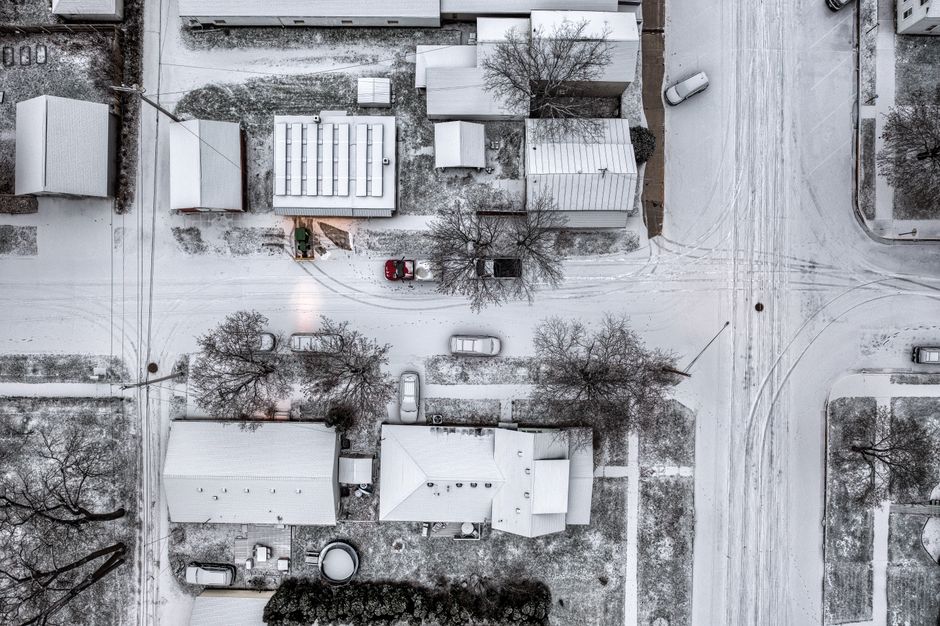
The South Valley, spreading south of the city center toward Isleta, is where Albuquerque is actually growing. It's newer, less established, and significantly more affordable than anywhere central. If you're moving here for a job and you need to maximize your money, you can get more space here than anywhere else in the metro area.
The trade-off is distance and car dependence. You're looking at 20-30 minute drives to central Albuquerque. The restaurants and bars and cultural infrastructure are minimal. But as a neighborhood for young families, people with lower budgets, or anyone willing to drive for what they want, it's honest. You're getting what you pay for—affordable housing in an expanding area. Long-term, it might become a different neighborhood as the development continues, but right now it's functional and nothing more.
Choosing Your Albuquerque
After spending real time here, I realized that Albuquerque is the kind of city where neighborhood selection actually determines your experience. It's not big enough that all the neighborhoods blend into urban sameness, but it's not so small that you can easily move between them.
If you're visiting for a few days, Old Town gets you oriented, but venture into Nob Hill or the Heights to see how people actually live here. If you're moving and you work remotely, Nob Hill probably makes the most sense—you get walkability without pretension. If you have a family and need schools and stability, the Heights delivers. If you want authentic Albuquerque, the Old West Side or North Valley neighborhoods are where you'll find it. And if you want space and quiet, the higher elevations and outlying areas are there waiting.
The key is being honest about what you actually need. This city will reward that honesty.