
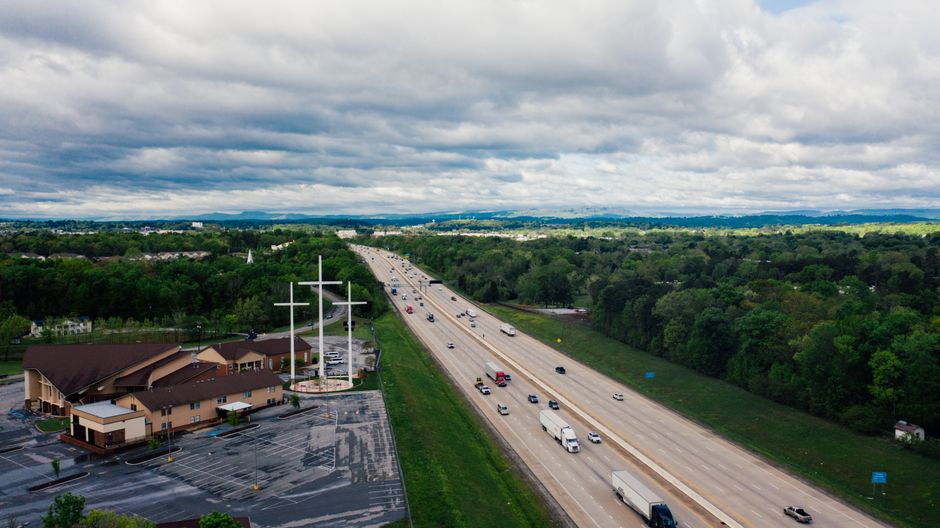
I rolled into Chattanooga on a Friday evening ready to settle in for the weekend, but by Saturday morning I realized the real draw wasn't staying put. The city sits at this perfect crossroads where you can be standing in front of a waterfall, hiking into a state park, or wandering a historic battlefield before lunch. Most of the destinations worth your time are within an hour or two, which means you can leave after work on a Friday, actually have time to do something meaningful, and still be back in time for Sunday dinner.
The surrounding Tennessee and Georgia countryside is dense with things that justify the drive—genuine natural attractions, not the manufactured kind. What follows are the spots I'd actually return to, not because they're Instagram-famous but because they deliver on their promises and fit easily into a weekend rhythm.
Rock City and Lookout Mountain's Tourist Trail (30-40 minutes)
Rock City sits on top of Lookout Mountain, and yes, the views justify the hype even though the place has been packaged for tourists since the 1930s. You're looking out across seven states on a clear day, and the pathways through the rock formations are genuinely strange and beautiful—narrow passages, natural bridges, a waterfall that drops 100 feet. Go on a weekday morning if you can; weekends bring school groups and tour buses that turn the narrow trails into bottlenecks.
While you're up there, the Incline Railway is worth the 12 minutes round-trip. It's the steepest passenger railway in North America, and even if you're skeptical about rides, the views from the car on the way up are arresting. The whole mountain complex—Rock City, the railway, the lookout point itself—can consume most of a day if you're thorough. Fall is peak season (September through October), but spring works too when the rhododendrons are blooming. Summer gets brutally crowded and humid. Winter is fine if you don't mind fewer people and potentially cloudy views.
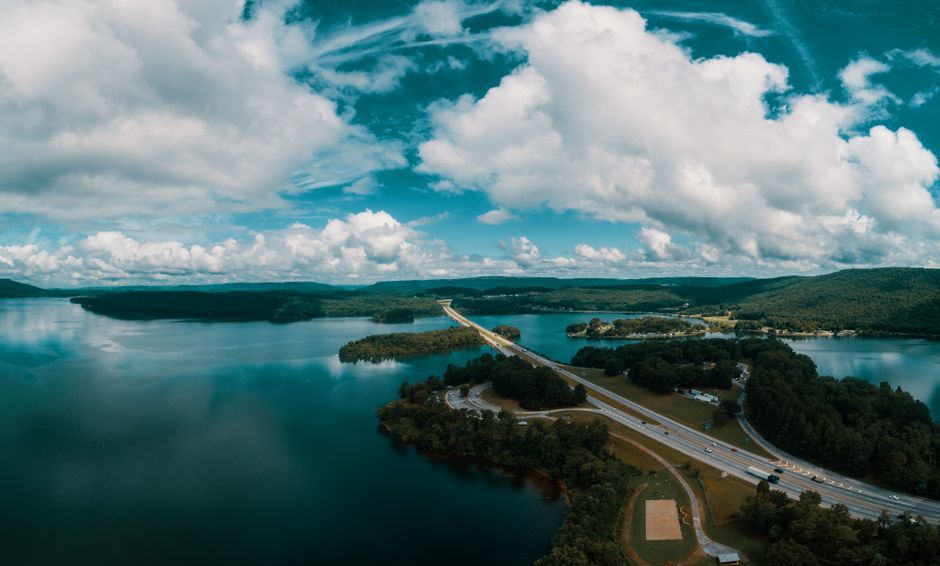
Ruby Falls: Twenty Minutes of Falling Water (40 minutes)
Ruby Falls is a waterfall inside a mountain, which sounds gimmicky until you're standing underneath it. The walk is easy—half a mile underground through a cave lit with colored lights that feel dated but somehow work—and then you emerge into this chamber where water is crashing down 145 feet. It's a short, satisfying trip that doesn't demand much of you physically but hits hard visually.
The cave stays 64 degrees year-round, so it's genuinely pleasant on hot summer days when the rest of the region feels like a sauna. Spring through early fall, the falls flow stronger, so that's the better window. The parking lot fills up by mid-morning on weekends. If you're coming with anyone who moves slowly or isn't comfortable in caves, this is still doable—the path is paved and wide. Budget an hour and a half total, including the gift shop browsing that you'll find yourself doing whether you want to or not.
Sequatchie Valley and the Plateau's Real Hiking (45 minutes to 75 minutes)
Head west out of Chattanooga toward Dunlap or Jasper and you drop into the Sequatchie Valley, a long agricultural basin that feels genuinely far from any city. The drive itself—particularly through the mountain passes—is worth the trip if you're just looking to clear your head on a Saturday morning. Stop in Dunlap; there's not much there, but that's partly the point. You get a sense of what life looks like outside the Chattanooga bubble.
From there, you can access trails on the Cumberland Plateau that don't have the tourist infrastructure of Lookout Mountain but deliver better hiking. Fall Creek Falls State Park (90 minutes away, pushing it for a day trip) has a 256-foot waterfall and a real trail network. If you want something closer, the plateau around Grundy Forest has network of natural stone trails that feel more like genuine back-country walking. Bring a map or download the AllTrails app; this area isn't marked the way Rock City is. Spring and fall are the seasons to go—summers are hot and buggy, winters can leave trails muddy and impassable. Most people skip this region entirely, which is exactly why you should know about it.
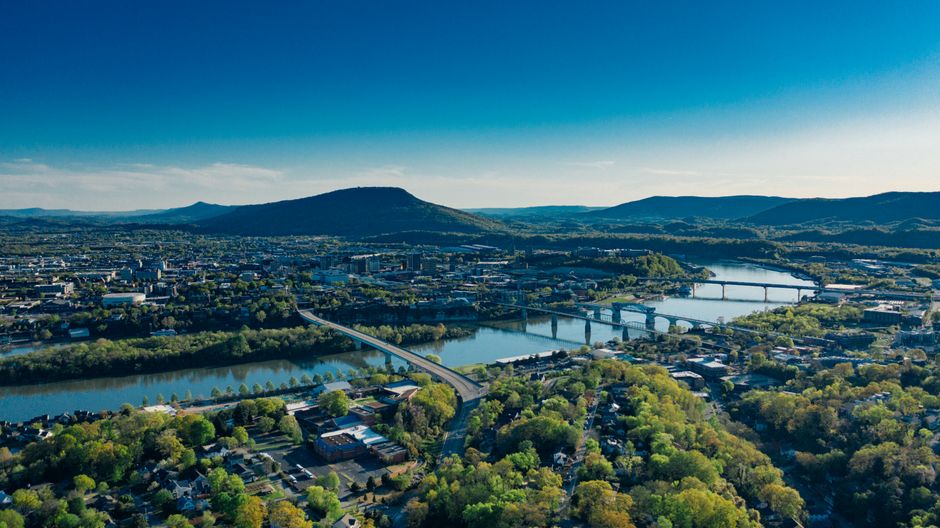
Chickamauga & Chattanooga National Military Park (15 minutes)
The park sits just south of the city and it's almost too convenient, which is probably why many Chattanooga residents skip it. The Chickamauga section is genuinely moving if you care about Civil War history at all. The battlefield is preserved essentially as it was in 1863, and the park service has done the work to make it navigable—you can drive a loop, pull over at key positions, walk short trails that show you where regiments stood.
Go in the early morning on a weekday and you'll have the place nearly to yourself. The visitors center near the parking area has a short film and context that makes the walk-through make sense; don't skip it. An hour here, maybe 90 minutes if you're thorough, will give you more understanding of the battle than you probably expected to care about. Any season works fine. It's a solid three-hour outing from Chattanooga if you include the drive both ways and an hour on-site—short enough for a Saturday afternoon, substantive enough that you don't feel like you wasted your time.
Monteagle and the Cumberland Plateau's Quieter Side (60 minutes)
Monteagle sits at the base of the Cumberland Plateau and serves as a gateway to the University of the South's campus at Sewanee, though Sewanee itself is more of a destination for people who have business there rather than random weekend visitors. Monteagle is the more useful stop. The town has become a quiet artistic retreat over the last decade—a handful of antique shops, a few cafes, and the sense that you've stumbled into a place where creative people go to think.
The real draw is the outdoor access. Shakerag Hollow, just outside town, is a ravine with some of the most dramatic landscape in the region—steep stone cliffs, water running through, a feeling that you've walked off the plateau into another world entirely. The trails are well-maintained but don't have the manicured feel of commercialized attractions. There's a historic gristmill, hiking trails through rhododendron thickets, and genuinely clean air. Fall colors here are remarkable—the ravine acts as a microclimate, and the foliage seems more vivid than anywhere else nearby. Summer brings out tourists looking for escape from heat, but even then it's quieter than Lookout Mountain. Winter can be lovely if you don't mind colder temperatures and possible freezing on the trails.
Making the Drive Work
Pack snacks. Most of these areas have limited food options, and what exists is often overpriced and mediocre. Chattanooga itself has good restaurants, so eat there before you head out. Gas up before you leave the city limits—prices jump significantly in rural areas.
Weather matters more in these destinations than it does in the city. A heavy rain can flood parking areas and make trails impassable. Check forecasts seriously before you commit to a trip. Spring through fall is safe; winter requires more flexibility. Summer heat and humidity can turn a pleasant morning hike into an ordeal by noon.
Cell service is spotty the farther you get from main roads. If you're using GPS, download offline maps before you leave. Parking fills up on weekends, particularly at the most famous spots. Early mornings (8 or 9 a.m.) give you a genuine advantage. Nobody talks about this, but it's true.
Frequently Asked Questions
What is the closest waterfall to Chattanooga Tennessee
Ruby Falls is the closest major waterfall, located inside a mountain about 40 minutes from downtown Chattanooga. You walk through a cave to reach the 145-foot waterfall. Laurel Falls on the Cumberland Plateau and Fall Creek Falls (farther away, 90 minutes) are also accessible options, but Ruby Falls offers the shortest drive time.
Can you do a day trip from Chattanooga to the Great Smoky Mountains
The Smokies are roughly 2 hours away, making a very tight day trip possible if you leave early and drive straight to one area. Most people find the drive time eats too much of the day for a meaningful visit. A weekend trip with an overnight stay in Gatlinburg or Sevier County works far better and lets you actually enjoy the park.
Is Rock City worth the drive from Chattanooga
Yes if you go on a weekday or early morning and realistic about what you're getting—a 1-2 hour walk through rock formations with good views, not a full day of hiking. Many people also pair it with the Incline Railway on the same mountain, which extends your visit. It's a solid outing but not life-changing on its own.
What is there to do in Sewanee Tennessee
Sewanee is primarily known as a college town (University of the South). Most tourist activities center on the Cumberland Plateau landscape—hiking, scenic drives, and visiting Shakerag Hollow and surrounding ravines. The town itself has limited restaurants and shops, making it more of a nature-access point than a destination in its own right.
Which day trip would you take first?


