
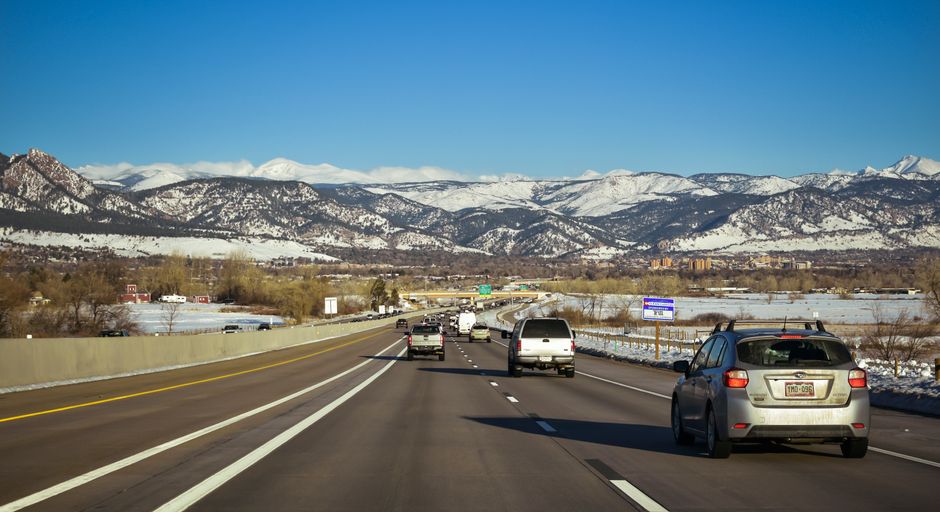
I'd been in Denver maybe six hours—unpacked at a capsule hotel on Blake Street, grabbed a burrito that was bigger than my head—when I realized I didn't want to spend my whole trip in LoDo. The mountains were right there, visible from downtown on clear days, and the highway network out of the city is decent enough that you can actually get somewhere worthwhile in a morning's drive. No epic road trips needed. Just real destinations with actual things to do, not Instagram checkpoints.
The thing about Denver is that it sits in a good spot for day trips. You're close enough to the high country, the quirky mountain towns, the geological oddities that make the Front Range interesting. Most of these places—and I'm talking proper destinations, not scenic overlooks—are between an hour and two and a half hours out. Totally doable if you rent a car and don't mind starting early.
Red Rocks Park and Amphitheatre (20-30 minutes)
Red Rocks isn't technically a day trip in the traditional sense—it's almost close enough to downtown that you could argue it's part of the metro area. But I'm including it because most visitors either miss it entirely or only see it if they're catching a concert at night.
The park opens at sunrise, and there's something genuinely uncanny about being among those 300-foot sandstone formations when it's empty. The Trading Post Trail is short and actually useful—you get close to the rock faces without breaking your knees. If you're there mid-morning on a weekday, you'll have the place to yourself except for maybe a handful of joggers.
The visitor center has exhibits about the geology, which saves you from Googling "why is this place so weird?" The amphitheatre itself is a marvel of natural acoustics, and yes, you can walk down into the performance area even on non-concert days. Spring and fall are ideal—summer mornings get warm fast, and winter access can be spotty depending on weather. Hours vary by season, so check ahead.

Boulder (45 minutes to 1 hour)
Boulder gets a lot of tired takes—too expensive, too many yoga moms, too precious. Those things are sort of true, in the way that all generalizations are. But the reason people keep moving there is that it's actually pleasant to spend time in, and there's enough real activity that you can fill a full day without feeling like you're at a resort.
Pearl Street is the obvious anchor, and yeah, it's touristy, but the street itself is genuinely designed well—car-free, tree-lined, not a chain restaurant in sight. Go to Flagstaff House if you want solid contemporary food and aren't worried about dropping forty bucks on lunch. If you're there with a pack, grab takeout from one of the delis and head up one of the easy trails. Chautauqua Park has a network of trails ranging from twenty minutes to a few hours, depending on how ambitious you're feeling.
The Flatirons are the iconic sight—three massive rock formations that loom over the city. They're visible from downtown, but if you want a closer look, the First Flatiron hike is moderately steep and takes about ninety minutes round trip. The views of Boulder Valley from partway up are worth it even if you turn back. Go in late spring or early fall to avoid the summer crowds and the steep snowmelt trails of early summer. Winter is fine too if you don't mind cold and the trail being icy in spots.
Georgetown (50 minutes to 1.5 hours via I-25 north and I-70 west)
Georgetown is a legitimate working mountain town with a genuine past, not a theme-park version of Old West nostalgia. The main street has actual local businesses mixed in with the tourist stops, and the drive up I-70 puts you in different terrain almost immediately—you're not just seeing mountains, you're entering them.
The whole point of Georgetown is the town itself. Walk the main drag, poke into the shops, grab lunch at one of the cafes. The Guanella Pass scenic drive loops back toward Denver from the south side of town and is worth doing if you have an extra hour—it's legitimately beautiful and way less crowded than the main highway. There are several hiking trails nearby, including some that head up to alpine lakes, though those tend to require more time than a true day trip allows.
Mine tours are available if that's your thing—the town's history is tied to silver mining, and the mines are still preserved. I found it more interesting to just walk around and look at the well-maintained Victorian buildings than to spend two hours underground. Late May through September is the main season. October can be spectacular if the aspens are turning. Winter is doable but less appealing—the town feels sleepier, though that's partly the appeal if you want to avoid crowds.

Estes Park and Rocky Mountain National Park (1.5-2 hours via US-36)
Estes Park is the gateway to Rocky Mountain National Park, and the relationship between town and park is worth understanding before you go. The town itself is a classic mountain tourist trap—gift shops, taffy, motels, the kind of place you pass through to get to something better. But that something better is genuinely worthwhile.
Most people enter the park at the Beaver Meadow entrance, which is right from town. The key to a solid day trip here is picking one trail and doing it properly rather than trying to hit five overlooks. Bear Lake is about three miles from the entrance and has a short, scenic loop that's accessible even if you're moving slowly. Emerald Lake is longer and more rewarding if you have the time and fitness. Both fill with cars by mid-morning in summer, so an early start is essential.
The Trail Ridge Road is the big scenic drive—a high alpine highway that tops out at 12,000 feet and offers views that genuinely justify the drive from Denver. It's only open from late spring through early fall, and the exact dates depend on snow. Even on an open day, expect sections to be closed or condition to vary. The drive itself takes time, and stopping at pullouts adds more, so if you're doing Trail Ridge, you're probably not doing a major hike too.
June through September is peak season, which means crowds and the full length of Trail Ridge Road. Early June and September are better if you want to avoid the worst of the tourists. Wildflowers peak in late July and August. October can be stunning but you risk the park closing early due to snow.
Morrison and Red Rocks Trading Post area (20-25 minutes southwest)
Morrison is a small town in the foothills, just west of Denver, basically surrounded by red rock formations. It's less famous than Boulder but has a lot of the same appeal—walkable downtown, good outdoor access, actual character.
The obvious anchor is Red Rocks (covered above), but Morrison itself has trails and the town has a small brewery and some decent casual food spots. Trading Post Road has several pullouts with views of the formations, and there are multiple trail heads in the area. Chimney Tower Trail is a reasonable day-trip hike—moderate difficulty, good views, maybe two hours round trip. The Bear Creek Trail runs through a small canyon and offers shade and water.
Morrison doesn't draw nearly as many day-trippers as Boulder, so the experience feels less crowded. It's a better choice if you want outdoor time with actual quiet rather than the Pearl Street scene. Any season works, though spring (April-May) offers wildflowers and the best weather. Summer is fine but hot, especially on exposed trails. Fall foliage isn't dramatic but the light is nice and temperatures are comfortable.
Planning Your Day Trips from Denver
The distances I've given assume you're leaving downtown Denver. If you're at the airport or in the suburbs, add another fifteen to thirty minutes depending on traffic and which direction you're heading. I-25 northbound and I-70 westbound get congested during rush hours, so an early departure really does matter—you gain hours of actual daylight and trail time by leaving by 8 a.m.
Car rental is basically essential. Public transit gets you to Boulder relatively easily, but anything beyond that requires a car or seriously organized tours. Gas is fine; pay attention to your fuel gauge coming back from remote areas, especially if you're doing Trail Ridge Road where gas stations are sparse.
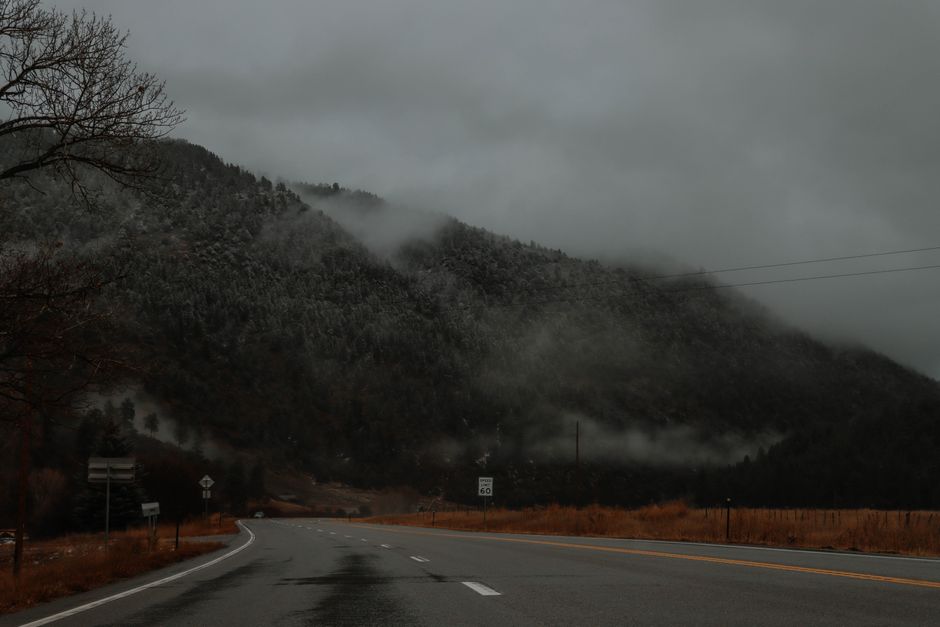
Weather changes fast in the mountains. Bring a layer even if it's warm in Denver. Afternoon thunderstorms are common in summer and can develop quickly at higher elevations. Check forecasts and road conditions before heading out, especially if you're going anywhere past Georgetown or to Trail Ridge Road.
Don't try to do everything in one day. Pick a destination, spend real time there, actually do the thing. You'll enjoy it more and you won't end up just sitting in your car. Denver's accessible, and these places aren't going anywhere.



