I rolled into Louisville on a humid afternoon, grabbed a bourbon neat, and realized I wasn't leaving the region anytime soon. The city's got enough character to keep you busy—the Derby Museum, the riverfront, solid restaurants—but what really grabbed me was how much good stuff sits just beyond the city limits. Within an hour or two, you can hit bourbon distilleries that don't feel like theme parks, state parks with actual hiking, and a few places that are just strange enough to matter.
Most of these trips are doable in a half-day or full day depending on how deep you want to go. I spent three weeks around Louisville and its surroundings, and these are the ones I actually went back to or regret not hitting twice.
Bardstown and Bourbon Country (About 40 minutes south)
Bardstown is the obvious play, and honestly, it deserves the hype. It's not a well-kept secret, but it's also not overrun if you go on a weekday or outside peak bourbon season. The town itself is charming—brick buildings, a genuine main street where locals actually shop, and a few decent restaurants that aren't just bourbon-tourist traps.
The bourbon stops are the main draw. Maker's Mark is the most polished; it's in Loretto, about 15 minutes past Bardstown, and their distillery tour is well-oiled and feels less corporate than you'd expect. Woodford Reserve, also nearby, has nicer grounds and a better gift shop if you're into that. Heaven Hill operates Bardstown Bourbon Company, which opened a few years back and has a more modern, less stuffy vibe than some of the older operations. If you're willing to drive another 20 minutes into Marion County, you'll hit Jim Beam and Maker's Mark's parent company facilities, but the first two are enough unless you're doing a full bourbon nerd day.
The town has a small Bourbon Trail Museum on Main Street if you want context before or after distillery visits. Late September through November is peak season—weather's perfect, but expect crowds and full tasting rooms. I'd lean toward May or September if you want to actually taste bourbon and not just shuffle through lines.
Mammoth Cave National Park (About 1 hour, 20 minutes south)
The cave itself is legitimately massive—I knew that going in, but standing under a 400-foot dome with no artificial light except your guide's lamp is different from reading about it. The park offers several tour options, from the basic 2-hour tour to longer speleunking expeditions if you're fit and don't mind getting muddy.
Mammoth Cave is the easy day trip, but the park area around it offers real hiking and river access if you want more than just the cave. The Green River runs through the park and there are decent walking trails at varying difficulty levels. Go early to avoid the peak afternoon tours; most people roll in around 11 a.m., and the place gets louder. I did the Historic Tour on a Thursday morning in late April and had a guide mostly to myself. Spring and fall are ideal—summer gets hot and crowded, winter is fine weather-wise but some tours have reduced schedules.
Bring water. The cave stays around 54 degrees year-round, so the temp change is nice in summer but brutal in winter if you're just in regular clothes. There's a decent visitor center with exhibits and a decent café if you need lunch before heading back to Louisville.
Bernheim Arboretum and Research Forest (About 30 minutes south)
This place surprised me. I expected a manicured botanical garden—all labeled plants and garden-club energy. Bernheim is part gardens, but it's mostly a sprawling 14,000-acre forest with trails, wetlands, and a working research facility. It feels wilder than your typical arboretum.
There's a beautiful lake with a walking path around it, and the hiking trails range from easy walks to proper treks through oak and hickory forest. The whole point is conservation and research, so it doesn't feel theme-park-y. There's a visitor center with a decent small café and gift shop, but honestly you'll spend most of your time on the trails. The Arboretum Walk is the most scenic if you've got limited time. Spring (April-May) is peak blooming season and genuinely gorgeous. Fall colors are solid too. Summer is hot and buggy; winter is muddy but quiet and good for getting actual solitude.
It's free to enter, though there's a modest suggested donation. Parking is easy, and it's a solid half-day trip if you hike one or two trails and grab coffee. You can stretch it to a full day if you're serious about covering more ground.
My Old Kentucky Home State Park and Bardstown Area (40 minutes south)
The state historic home—the Federal Hill mansion that inspired the song "My Old Kentucky Home"—is worth a quick tour if you're already in Bardstown for bourbon. The house itself is a solid 1818 Greek Revival building with period furnishings and a decent story. The tour is around an hour and moves at a reasonable pace without feeling rushed.
The real reason to go is the park setting. There are grounds to walk around, shade, and honestly it's a pleasant place to spend an hour if the weather's nice. It's not a major draw on its own, but it pairs perfectly with a Bardstown bourbon run or a meal in town. Go in spring or early fall when the grounds are prettiest. The house interior stays cool in summer, so if you're escaping heat it's an option, but the park experience is better when you can actually be outside without sweating through your shirt.
Jeffersonville, Indiana (Just across the river, 20 minutes)
This gets overlooked because it's technically in Indiana and feels quieter than Louisville, but that's exactly why it's worth going. Jeffersonville sits right across the Ohio River with actual river views and a small downtown that's gentrifying without losing its character.
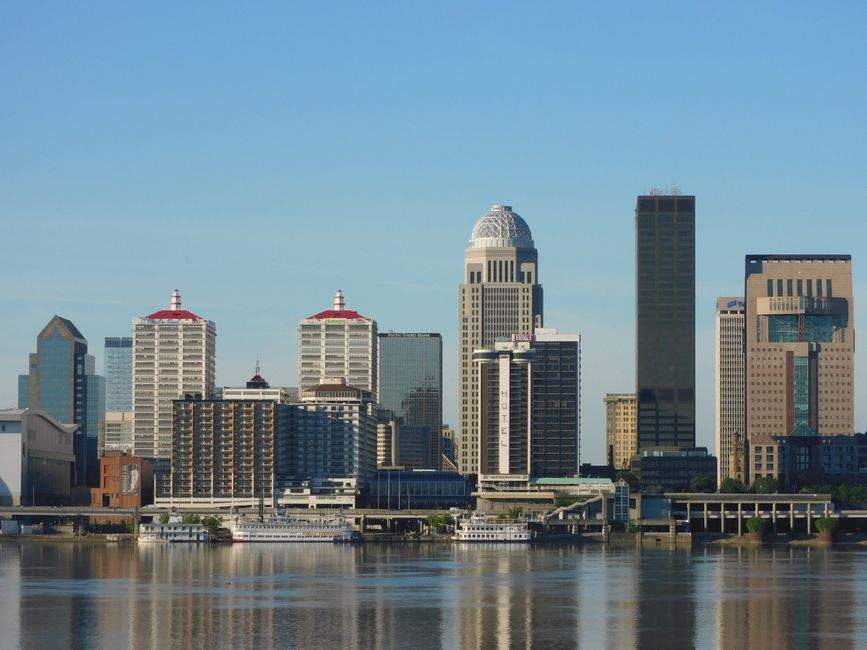
The Big Four Bridge pedestrian walkway is the main draw—it's an old railroad bridge converted to a walking and biking path that runs over the river. The walk takes 20-30 minutes and gives you views of the Louisville skyline, the river, and the Indiana shoreline. It's peaceful in a way that Louisville proper isn't, and it's genuinely popular with locals, not just tourists. The downtown has a few decent restaurants and coffee shops, and Schimpff's Confectionery is an old-school candy store that's been around since 1891. It's exactly what it sounds like—dusty, narrow, overstuffed with penny candies and weird vintage sweets.
You could also drive up to Clarksville for Clarksville Falls, a small waterfall about 10 minutes further north, but honestly the bridge walk and a coffee downtown is a solid hour-and-a-half excursion. Best in spring or fall when the river's more interesting and the weather's right for walking. It's close enough that you could do this as a short evening outing or extend it into a half-day trip.
Rough River Dam State Resort Park (About 1 hour, 15 minutes west)
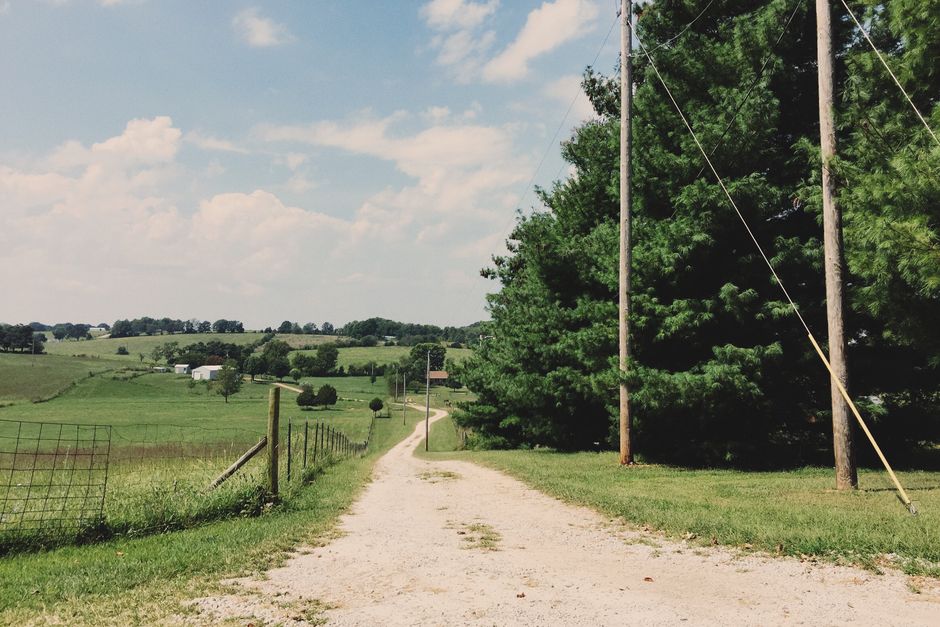
Rough River doesn't hit the same way as Mammoth Cave or Bardstown, but it's where you go if you want actual nature without the typical tourist infrastructure. It's a state resort park built around a reservoir, so you've got water access, hiking, and a lodge if you want to stay over.
There are decent hiking trails around the lake, some fishing if you care about that, and the whole setup feels more genuine than some of the bigger attractions. I took a morning trail that ran along the shoreline and saw maybe three other people. The park has a restaurant and lodge if you want to make it overnight, but it's perfectly fine as a day trip—grab lunch at the restaurant, walk the trails, and be back in Louisville by evening.
The lake and park are prettiest in spring and fall. Summer gets busy with families and jet skis. It's worth it if you want to escape the bourbon-trail crowds and just spend a few hours in actual quiet.
Getting Around and Planning
You'll need a car. Louisville has some public transit, but none of these destinations are easily accessible without driving. Rent if you're flying in—it's straightforward. Most of these places are 30 minutes to 90 minutes away, so there's no reason to stay overnight unless you're doing the Bardstown bourbon crawl hard or hitting multiple stops in one day.
Spring and fall are the obvious sweet spots—weather's manageable, crowds are moderate, and things look good. Avoid peak bourbon festival season (September-October) unless you specifically want that energy. Summer is hot and crowded. Winter is fine but not ideal unless you're specifically chasing solitude.
Go on weekdays when possible. These places get noticeably quieter Tuesday through Thursday. Plan your bourbon tastings early in the day; most distilleries stop doing tours by 3 or 4 p.m. Bring water and sunscreen. Download trail maps or grab them at visitor centers—cell service is spotty in some of these areas. And don't try to cram five stops into one day. Pick two, spend real time, and come back later. That's what I did, and I still didn't see everything.