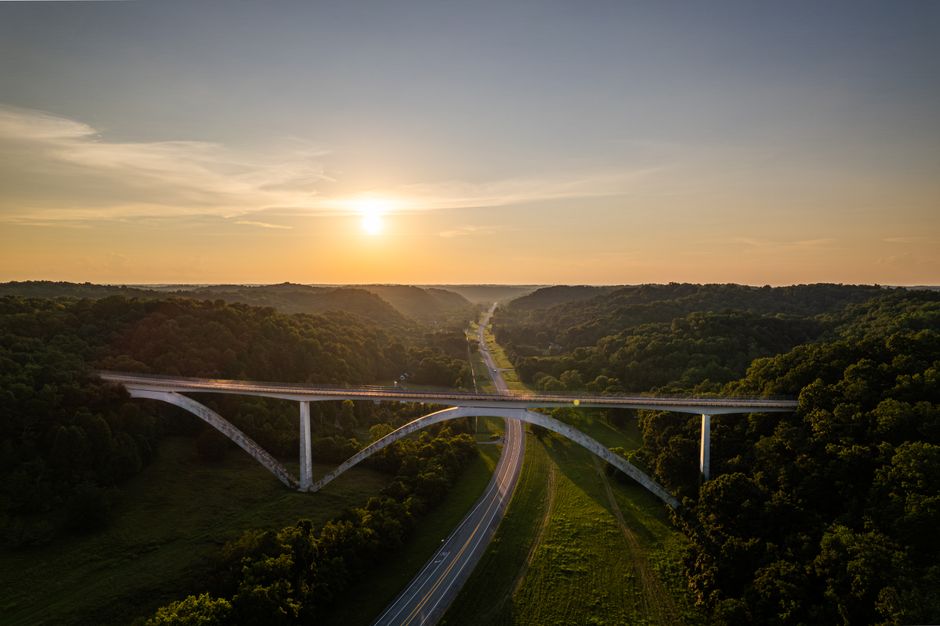
I showed up in Nashville on a Tuesday expecting to spend three days maximum. The live music is real, the food scene has legs, and the people are genuinely friendly—but after seventy-two hours of Broadway bars and tourist crowds, I needed air that wasn't tinged with stale beer and cologne. Turns out, some of the best reasons to visit Nashville aren't actually in Nashville. Within an hour or two, the landscape shifts from honky-tonk strip to something much quieter: green rolling hills, quiet town squares, state parks, and a few genuinely interesting stops that locals actually frequent.
I spent the next week making short drives from my hotel, coming back each evening to sleep. Nothing too ambitious—I'm not interested in five-hour round trips for a photo op. These are the places that felt worth the gas, the ones I'd actually return to.
Mammoth Cave, Kentucky (90 minutes)
The drive north to Bowling Green, Kentucky, and then to Mammoth Cave National Park takes about ninety minutes from downtown Nashville. You're basically crossing into a different world—a massive cave system that's legitimately the longest in the world, though that fact alone doesn't tell you why it's worth the drive.
The cave stays at 54 degrees year-round, so bring a jacket even in July. The park offers several tour options ranging from an easy one-mile walk to more involved caving experiences. I did the Frozen Niagara tour, which hits the main highlights: cathedral-like chambers, underground rivers, and enough stalactites to make you remember why caves feel slightly alien. The guides are solid—they know their geology and don't oversell the drama.
Spring through early fall is when the park gets busy, but off-season (October through March) you get shorter lines and fewer tour groups. The whole experience, including drive time, takes five to six hours, so it's a full day but not exhausting. Pack a light breakfast; there's a café at the visitor center but it's basic.

Lynchburg and Jack Daniel's Distillery (75 minutes)
The drive to Lynchburg is straight south on Highway 41, about seventy-five minutes of unremarkable highway that opens into a genuine small town. The distillery sits on the outskirts—you can't actually tour it anymore (they closed public tours in 2022), but you can visit the visitor center, browse their gift shop, and grab a whiskey lunch at the café. It's a step down from the full experience, admittedly, but the grounds are pleasant and the whiskey is still their whiskey.
The real reason to go to Lynchburg is the town itself. The courthouse square is straight out of a 1970s photograph—old brick buildings, a few good restaurants, and a museum dedicated to the town's history that's worth thirty minutes if you're curious. The local diner serves actual lunch. There's a decent hiking trail at nearby Fall Creek Falls State Park if you want to stretch your legs.
Timing-wise, any season works, though it's less crowded in winter and spring. Summer gets humid. You can also stop at the Moore County Distillery, a smaller local operation that allows tastings and tours, which some visitors prefer for a more intimate experience.
Waterfall Hikes at Fall Creek Falls State Park (110 minutes)
Head southeast toward Spencer, Tennessee, and you'll find Fall Creek Falls State Park tucked into a pocket of reasonable hiking. The drive is just under two hours, and the payoff is immediate: multiple waterfalls, some substantial, accessible via trails that range from twenty minutes to a couple of hours.
The main attraction is Fall Creek Falls itself, a 256-foot cascade that's genuinely impressive. The trail down to the base is popular, which means it's well-maintained but also crowded on weekends. I went on a Tuesday morning in late March and had long stretches of trail to myself. The hike isn't technical—it's mostly elevation loss and gain, nothing exposed. If you want something shorter, the Cane Creek Falls loop is maybe forty minutes round trip.
Bring a reasonable amount of water. The park has a restaurant and some rustic cabins if you want to stay overnight, but for a day trip, just show up early, hike, and be back in Nashville by evening. Spring is perfect here—the water volume is high from snowmelt, and the wildflowers are starting. Fall is also excellent. Summer gets crowded and hot.
Clarksville and Fort Campbell (45 minutes)
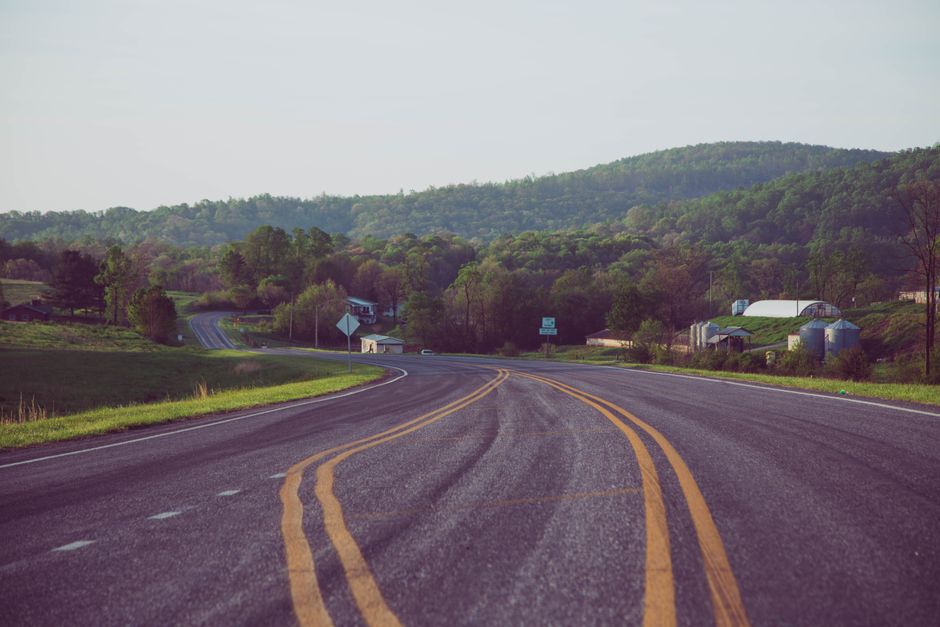
The shortest drive on this list takes you north to Clarksville, primarily to Fort Campbell, a sprawling military installation that straddles the Tennessee-Kentucky border. The Fort Campbell Historical Museum is open to civilians and covers the post's World War II history and beyond. It's not flashy, but it's substantive—original barracks, uniforms, photographs, the kind of place where you spend ninety minutes actually learning something.
Clarksville itself has an old downtown with some local restaurants and shops, nothing exciting but pleasant enough for lunch. Customs House Museum and Cultural Center is solid if you want more local history. The whole trip is low-key and easy—you're not fighting traffic, the sites are genuine rather than built for tourism, and you're back to Nashville before dinner.
Timing doesn't matter much here. It's reliable year-round, though late spring is nice when the trees are full. This one's more of a "quiet morning" day trip than an adventure—good if you're tired of the Broadway scene but not ready to hike mountains.
Distillery Row in Tullahoma (90 minutes)
South of Manchester, Tennessee, Tullahoma has quietly positioned itself as a craft whiskey destination. The drive is roughly ninety minutes, and unlike Lynchburg, you're getting actual tours and tastings at smaller, more accessible distilleries. Cascade Hollow Distillery (home of George Dickel) allows tours, and there are a few newer craft operations that welcome visitors without the corporate stiffness.
The advantage here over Lynchburg is the flexibility. If you're interested in the process itself rather than the brand legacy, these smaller operations let you actually talk to the people doing the work. Most are clustered close enough together that you can hit two or three in a morning without much driving.
Tullahoma's downtown is small and doesn't offer much beyond the distilleries, so plan to eat beforehand or grab something simple while you're there. Late fall and winter are the best times to visit—the weather is mild, and the distilleries aren't overwhelmed with tourists. Spring is decent too. Summer heat can make standing around outside less pleasant.
Practicalities and Seasons
None of these trips require advance reservations beyond the cave tour if you're going on a weekend. Gas up before you leave Nashville—rural Tennessee gas stations are scattered. Bring water, sunscreen, and reasonable shoes for anything involving hiking.
If you're trying to pick one: spring for outdoor stuff (waterfalls, hiking), fall for exploring small towns without overheating, winter if you want zero crowds. Summer is hot and busy, though not unbearable. Each trip works as a half-day if you're strategic, leaving room to explore Nashville in the evening. Or spend the full day—you're not so far away that you're exhausted by the drive.
The point of these trips isn't to escape Nashville entirely. It's to remember that Tennessee is bigger and more varied than one downtown strip, and sometimes the best part of visiting a city is knowing when to leave it for a few hours.