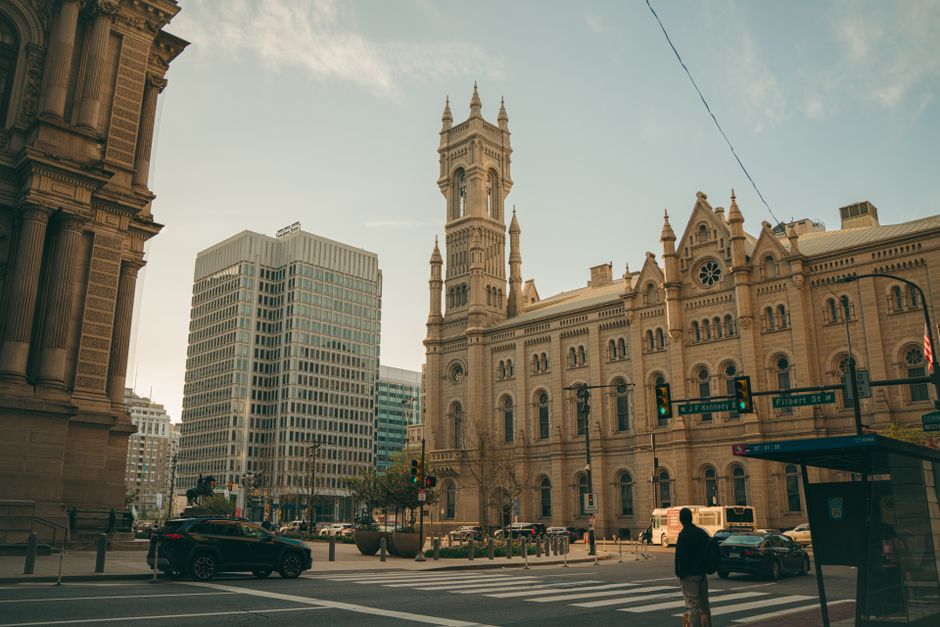
I rolled into Phoenix on a May afternoon when the temp was already pushing 105 and the air felt like the inside of a toaster. After three days eating late-lunch specials in Scottsdale and dodging golf carts, I realized the real Arizona isn't in the city—it's in the places you leave it for. The valley itself is flat and sprawling, but you're ringed by genuinely strange and beautiful terrain if you're willing to get in a car for ninety minutes to two hours. I spent the next week exploring what locals know but tourists often miss: high-country towns, red-rock formations, and places where the landscape actually reminds you why people moved here in the first place.
Sedona: The Obvious Call (30-45 minutes)
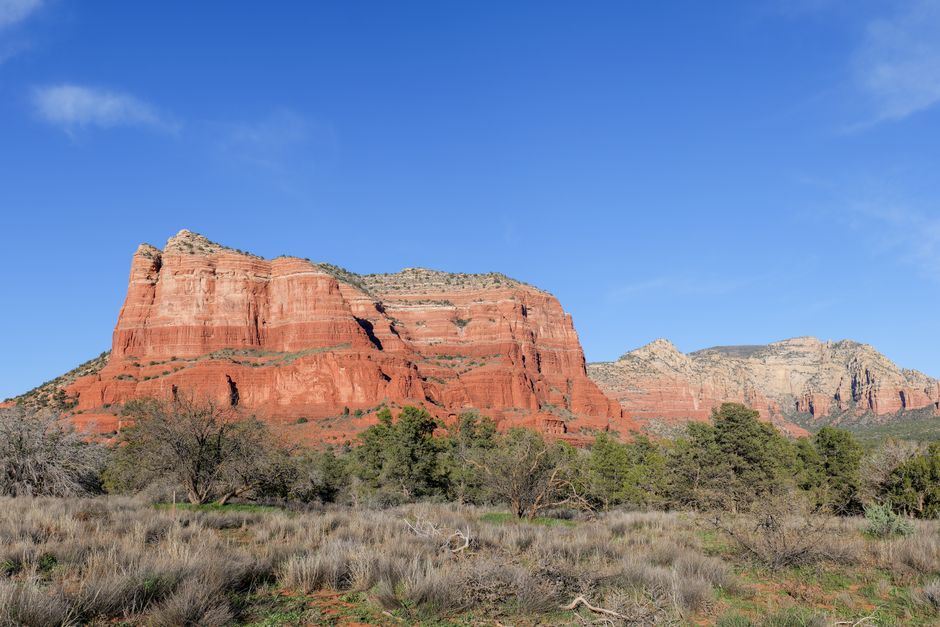
Everyone goes to Sedona, which is a good reason to actually go, but on a specific day and with a plan. The town itself—all boutique galleries, spa resorts, and vibey restaurants—gets clogged with weekend tourists by noon. Drive up early, like genuinely early, and you can hike Cathedral Rock or Bell Rock before the parking lots max out. The rock formations are unmistakable once you see them: towering, rusty-red monoliths that rise straight out of relatively flat desert. It's some of the most photographed landscape in Arizona, which sounds like a warning but isn't.
The drive from Phoenix is straightforward: take I-17 north, then scenic Route 89A into town. You'll gain elevation and temperature will drop noticeably. In summer, Sedona sits at around 4,400 feet, making it 15-20 degrees cooler than the valley. That's the real appeal. If you want to eat, skip the main drag and find a taco spot or casual place on the side streets. Better yet, pack a cooler. May through October is best, though spring (March-April) and fall (September-November) are actually better than peak summer because fewer families are on school break. January and February draw crowds too, but the weather is perfect.

Jerome: The Eccentric Mining Town (1.5 hours)
Jerome is what you get when a 1920s mining town nearly dies, gets bought up by artists, and decides to embrace being genuinely weird. The entire town is built on the side of a steep hill, and driving through the single main street feels like steering along a cliff. Population is maybe 400 year-round, swelling to tourists on weekends.
Walk the wooden boardwalks, poke into galleries and vintage shops that feel like someone's actual house, and grab coffee at one of the small cafes. The Jerome State Historic Park is worth an hour if you care about mining history; the old mine manager's mansion is in decent shape and the views from up there actually show you how unlikely this place is. There's also the Jerome Historical Society Museum, which is basically a collection of stuff people found underground. It's quirky in an honest way, not a constructed theme-park way. The drive is via I-17 north to Highway 260 east, climbing toward Prescott. Best visited in cooler months—March through May and September through November. Summer is survivable but the narrow streets and lack of shade make it uncomfortable. Winter is fine but can feel dead.
Flagstaff: Actual Mountains (2+ hours)
If you want to feel like you've actually left Phoenix, drive to Flagstaff. It's a proper mountain town at 7,000 feet elevation with ponderosa pines, a walkable downtown, and the kind of small-city energy that feels almost foreign if you've been stuck in the heat. The drive takes just over two hours via I-17 north, and you'll watch the landscape transform from scrub desert to actual forest.
Downtown has breweries, bookstores, reasonably good restaurants, and coffee shops where people actually work on laptops instead of performing at them. Lowell Observatory is here—that's where Pluto was discovered in 1930, and you can actually look through the original telescope at night if you visit. The Riordan Mansion State Historic Park is a quirky piece of early-1900s architecture if that interests you. Sunset Crater and Wupatki National Monuments are nearby, both worth a 30-minute detour if you have time. The real reason to go is just to breathe cooler air and walk around a town that feels like somewhere instead of a holding pattern.
Go May through October, or December if you want real winter. November is iffy—weather can turn fast. Summer is crowded but the weather is the whole point. Bring a jacket no matter what.

Prescott: Wine Country Lite and Wild West Vibe (1.5 hours)
Prescott sits between Phoenix and Flagstaff at around 5,400 feet, which means it's cool but not mountain-cold. The historic downtown circles a central plaza with a working courthouse, and the whole area has that genuine-Old-West feeling without trying too hard. Saloons are actual businesses, not themed attractions.
There's legitimate wine and beer culture here—several small wineries and craft breweries operate around town. The shops on Montezuma Street are the real deal: antique stores, local galleries, used bookstores. Whiskey Row, the north side of the plaza, is where you'll find the old saloons and bars. Sharlot Hall Museum, run by a woman who literally rode a horse to Prescott in the 1880s, has an interesting collection of territorial-era buildings and artifacts. It's Arizona history without the tourist-trap polish.
The drive is scenic—take Route 89 or 89A north from Phoenix toward Jerome area, then head to Prescott. The backroads version is more interesting than the direct highway route. Spring and fall are ideal. Summer is warm but not impossible, and you'll find fewer crowds than Sedona. Winter is chilly but rarely snowy at this elevation.
Apache Trail and Superstition Mountains (1.5-2 hours, full day commitment)
This one's not a town, it's a drive—specifically State Route 88, also called the Apache Trail, which loops through some of the most dramatic desert landscape near Phoenix. It's a half-paved, half-dirt road that climbs through the Superstition Mountains and drops down along artificial lakes created by old dams. You see saguaro cacti, red ridgelines, and actual geological formations that explain why Native Americans considered this place sacred.
Start early. Go east from Phoenix toward Apache Junction, then take Route 88 north. The paved section runs from Apache Junction to Fish Creek, then it gets rough. You can do the entire loop in three to four hours of driving if you don't stop, but stopping is the point. Goldfield Ghost Town is along the route—it's a reconstructed mining camp that's borderline tourist-trap but fine for 45 minutes if you're curious. The real experience is just driving the road, stopping at overlooks, and realizing how remote this terrain still is despite being 30 minutes from suburban sprawl.
Best October through April. Summer is dangerously hot in the open desert, especially if your car overheats or breaks down. The dirt sections can be rough after rain. Bring water, a full tank of gas, and a decent vehicle with decent clearance. Tell someone where you're going.

Timing It Right: When To Go and What To Avoid
Phoenix day trips follow a pretty straightforward calendar. May through September, you're choosing between brutal heat in the valley or driving north to escape it. High-elevation towns like Flagstaff become refuges—air-conditioned relief is the whole point. October through April is the real season. Weekdays are noticeably less crowded than weekends. Sedona and Flagstaff get hammered on Saturdays; Jerome fills up but in a slower, more organic way.
Avoid Sedona on summer weekends if you can. Flagstaff fills up during winter holidays and the ski season (which runs sporadically depending on snow). Prescott is surprisingly quiet even on weekends. The Apache Trail is only really accessible October through May unless you want to risk your engine.
The drive times I've listed assume decent traffic on I-17. Reality varies. Leave Phoenix by 7 or 8 a.m. if you want a full day anywhere. You'll thank yourself.
What To Actually Bring
Sunscreen everywhere. A light jacket for anywhere north of Phoenix, even in May. A full water bottle if you're hiking. Most day-trip towns have gas and food, but not all of them have gas stations on the main road—don't assume. If you're doing Apache Trail or hiking Sedona, good shoes matter. Cell service is reliable on main highways but sketchy once you're in the mountains. Download offline maps if you're concerned.
The valley's heat can make you stupid about hydration. You won't feel thirsty at 7,000 feet the way you will at 1,000, but you'll dehydrate just as fast. Pack more water than feels necessary. Coffee shops in mountain towns will refill bottles.