I pulled into Phoenix last March thinking I'd spend a long weekend exploring the usual desert spots. That didn't happen. Instead I got sidetracked wandering through neighborhoods so different from each other they barely felt like the same city. There's a real texture to Phoenix once you get past the highway sprawl—pockets with actual personality, neighborhoods where you can see why people choose to build lives here instead of just passing through.
Phoenix sprawls. That's the first thing to understand. It's a massive metro area with a center that feels deceptively small. But that sprawl means something important: the neighborhoods aren't all the same. They've got different ages, different vibes, different crowds. Whether you're deciding where to stay as a visitor or seriously considering a move, it matters which part of the city you land in.
Downtown Phoenix: Where Things Actually Happen
Downtown felt like the obvious place to start, and I'm glad I did. It's the most walkable part of the city by a wide margin, which sounds like faint praise until you realize how spread-out everything else is. Roosevelt Row, the arts district just east of downtown proper, has real energy—galleries, street art, cafes that aren't chains. The area has gentrified noticeably in recent years, which means rents have climbed and some of the rougher edges have been smoothed over, but it's also meant real investment and foot traffic.
Heritage Square and the blocks around it still hold some of the city's oldest buildings. Walking around there, you can actually see Phoenix's Victorian-era bones underneath the modern sprawl. The Heard Museum and Arizona Science Center anchor the cultural scene. It's touristy, sure, but in a way that feels earned.
Downtown suits visitors and young professionals who want walkability and nightlife. It's denser than anywhere else in Phoenix, which means bars, restaurants, and galleries within a few blocks. Fair warning though: it gets genuinely hot in summer, and some blocks still feel sketchy depending on the time of day and your comfort level. The skyline is pleasant but hardly stunning—this isn't a city known for architectural drama.
Scottsdale: Upscale and Designed to Be That Way
Scottsdale sits just east of Phoenix proper and operates almost like its own city. Old Town Scottsdale, the walkable core, attracts tourists in droves, and you can see why. The streets feel curated. Art galleries, high-end jewelry shops, farm-to-table restaurants, spas. It's polished. Sometimes aggressively polished.
The real estate is expensive. Not New York expensive, but if you're coming from most of the country, it'll feel like a jolt. But the schools are excellent, the maintained look is intentional, and there's a particular appeal to that if you're a family or retiree who wants everything orderly and taken care of. Golf courses everywhere, naturally.
Scottsdale's character, honestly, is that it's tried very hard to be special—and partly succeeded. It's the place Phoenix residents go when they want to feel like they're someplace nicer than Phoenix. The irony is thick, but the appeal is real if you want upscale without the actual urban edge of a major city. It's clean, it's safe, things work. Younger people sometimes find it sterile. Retirees and families with means often find it perfect.
Central Phoenix and Arcadia: Established and Tree-Heavy
Central Phoenix is where a lot of actual Phoenicians live, and the distinction matters. Head north into Arcadia and the neighborhoods around it and you start seeing the bones of an older, more established Phoenix. Tree-lined streets, houses with actual character instead of spec-built uniformity, small pockets of genuine neighborhood commerce.
The area around Camelback Mountain has real appeal. Hiking access, yes, but also a genuinely nice commercial strip with local businesses. Central Avenue itself has been undergoing a slow revival for years—some blocks feel genuinely walkable now in a way that felt impossible a decade ago.
This area suits people who want Phoenix but don't want the aggressively developed new-money feel of Scottsdale or the downtown grittiness. Older houses mean lower prices than Scottsdale, more character than the cookie-cutter suburbs. The tradeoff is that infrastructure is older, some streets aren't as well-maintained, and you're dealing with a genuinely hot, sometimes sketchy urban environment in parts. But there's real neighborhood feeling here—actual diversity, local schools, people who've been here for years.

Tempe: College Town Energy, But Make It Permanent
Tempe, south of downtown along the light rail, is different because of Arizona State University. The whole city pulses around campus. Mill Avenue is the commercial heart—bars, restaurants, the kind of mid-priced everything that thrives around a college town. It stays busy but not in the polished way of Scottsdale. More casual, younger, louder on weekends.
What surprised me was how much Tempe has developed outside the college bubble. Newer condos, townhomes, family neighborhoods. The light rail connection to downtown actually works, which is more than you can say for most transit in the Phoenix area. Salt River Project, a huge employer, is based here, which has quietly made the city more economically diverse than you'd expect.
Tempe suits young professionals and students who want some urban energy without Phoenix's sprawl. It's more affordable than Scottsdale, more actually walkable than much of Phoenix. The downside is noise, parking hassles in high seasons, and a transient population that doesn't stay long. Schools are fine but not exceptional. It's a place for a phase of life more than a permanent forever-home for most people—though plenty of people do settle there permanently.
Paradise Valley and North Phoenix: Newer Suburbs Done Right
Paradise Valley sits north of Phoenix in the foothills of Camelback Mountain and Mummy Mountain. It's newer than central Phoenix, richer than most suburbs, and genuinely more attractive than the flatland sprawl. Golf courses, hiking access, expensive homes on larger lots. The schools are excellent. People move here and stay.
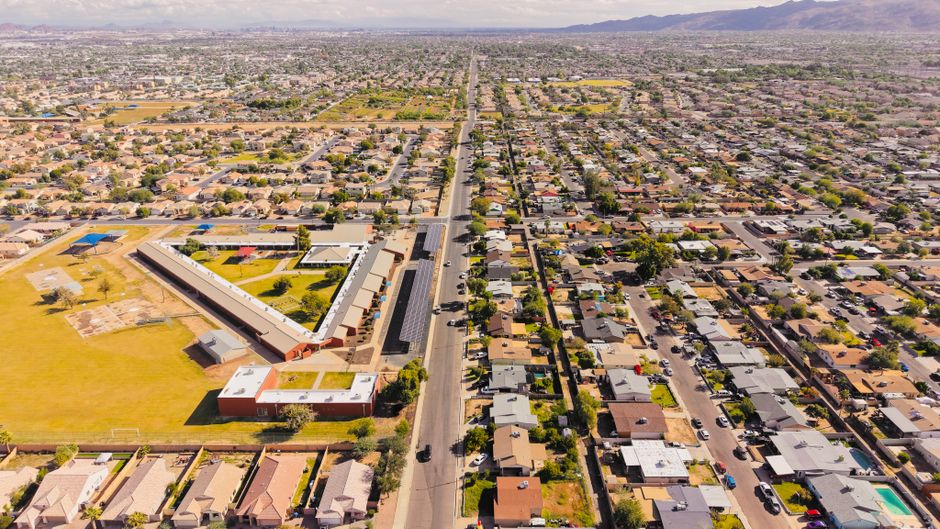
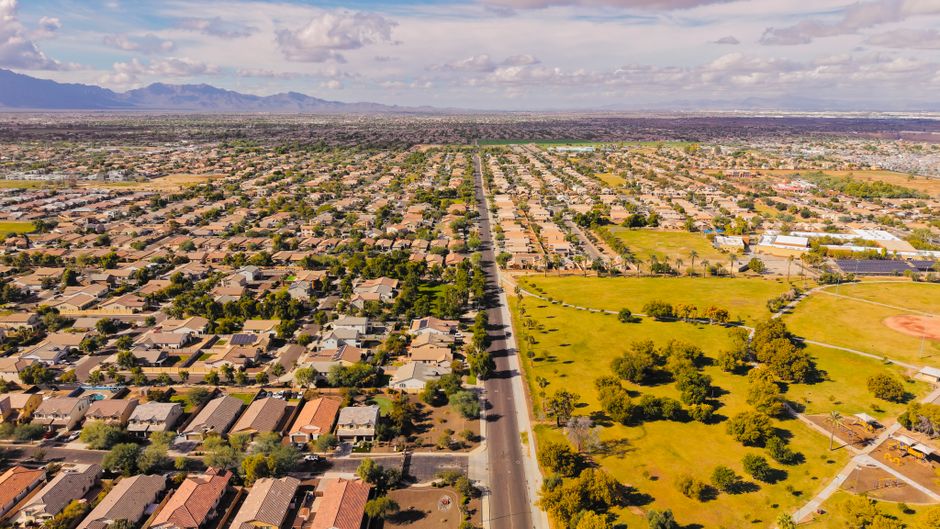
North Phoenix broadly—areas like Ahwatukee, some parts of North Central—represents the middle ground of Phoenix suburbs. Not as new and developed as the far north, not as established and walkable as Central. Single-family homes, yards, car-dependent but not aggressively so. Family-oriented. Prices vary wildly depending on how far out you go.
These areas suit families and retirees who want suburban peace and good schools but don't want to be downtown or commit to the expensive polish of Scottsdale. You're driving everywhere, though. Traffic on I-10 is genuinely miserable during rush hour. But if you want a house with a yard, low crime, and decent schools, this is where Phoenix delivers that in abundance.
Where to Actually Stay: The Honest Version
If you're visiting for a weekend, stay downtown or Old Town Scottsdale. You can walk around, eat, see something that feels like a place. Downtown's cheaper. Scottsdale's nicer. Both work.
If you're moving here and you work downtown, live downtown or Tempe if you want walkability and don't mind noise and transience. If you work in Scottsdale or northern areas, live in Scottsdale or Paradise Valley if you can afford it, or North Phoenix if you're budget-conscious. If you want established neighborhood feel with actual character, look at Central Phoenix and Arcadia—you'll get more for your money and more sense of community.
The real Phoenix isn't downtown or Scottsdale. It's the neighborhoods in between, where normal people live. But the neighborhoods where you'll actually want to spend time as a visitor or new resident are the ones we've covered here. Phoenix is too spread out to be great everywhere. But it's got real quality in pockets.
The Heat and Everything Else You Should Know
One more thing before you move here or book a long stay: June through August, the heat is genuinely brutal. Not exaggerated. 110+ degrees is normal. It changes how you move through the city—you're driving more, walking less, everything is air-conditioned. Neighborhoods feel different in summer than winter. Plan accordingly.
Water is limited, always has been. It's worth thinking about if you're considering this a permanent move. Air quality in summer can get rough, especially if you have respiratory issues. Winter is genuinely lovely—that's when Phoenix is at its best.
Beyond that: traffic is bad but not LA bad. Cost of living has risen sharply in five years but is still reasonable compared to coastal cities. The city sprawls because land is cheap and space is abundant. That won't change. The neighborhoods that work are the ones we've discussed—everything else is mostly identical, undistinguished suburban zones where the main difference is how many stoplights you hit to get somewhere.