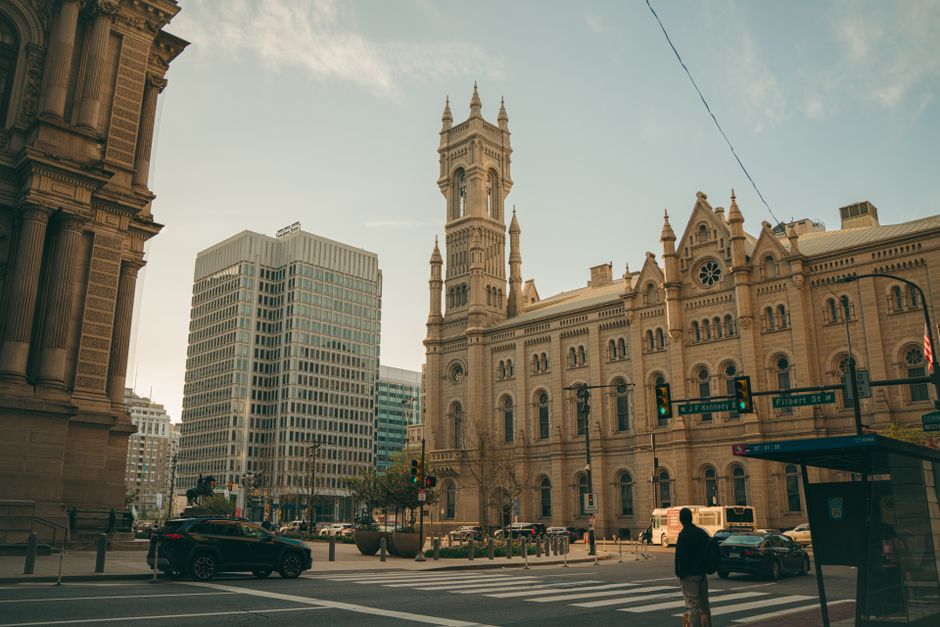
I rolled into Sacramento on a late-afternoon Amtrak, stuffed my bag in a hostel locker, and did what I always do first: walked. The thing about this city—and nobody really tells you this—is that it doesn't announce itself. There's no iconic skyline demanding attention. No Golden Gate Bridge moment. Instead, Sacramento reveals itself neighborhood by neighborhood, each one with its own rhythm and reason to exist. After spending three months here on and off over the past couple years, rotating through different areas, I finally understand why people either fall hard for this place or pass right through. It depends entirely on which Sacramento you're actually visiting.
The capital is genuinely changing. New apartments are going up constantly, restaurants that matter are opening, and the river is finally becoming central to how people experience the city instead of an afterthought. But it's not a Vegas-style overnight transformation. This is slower, realer, messier—which is honestly why it's worth your time.
Downtown: For the Tourist and the Downtown Believer
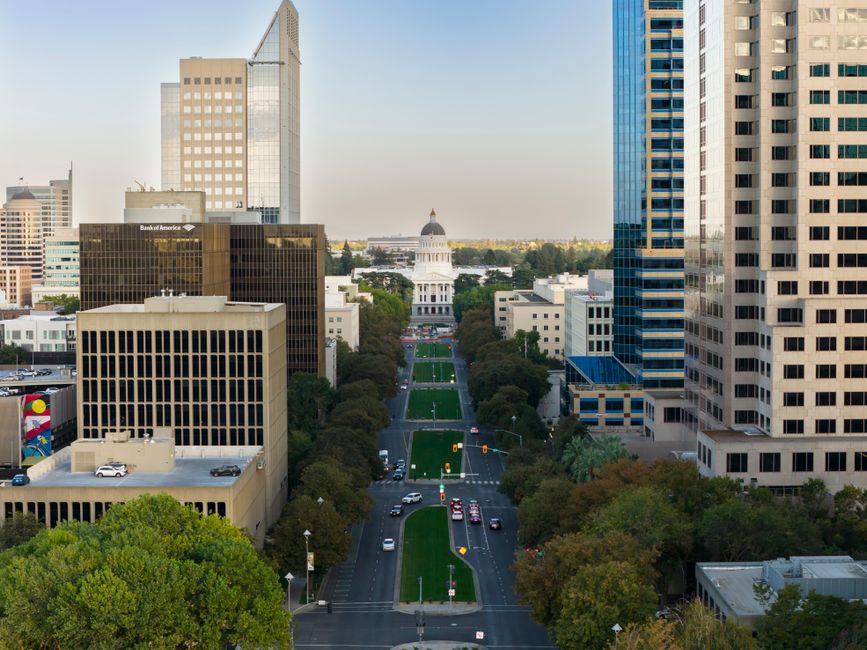
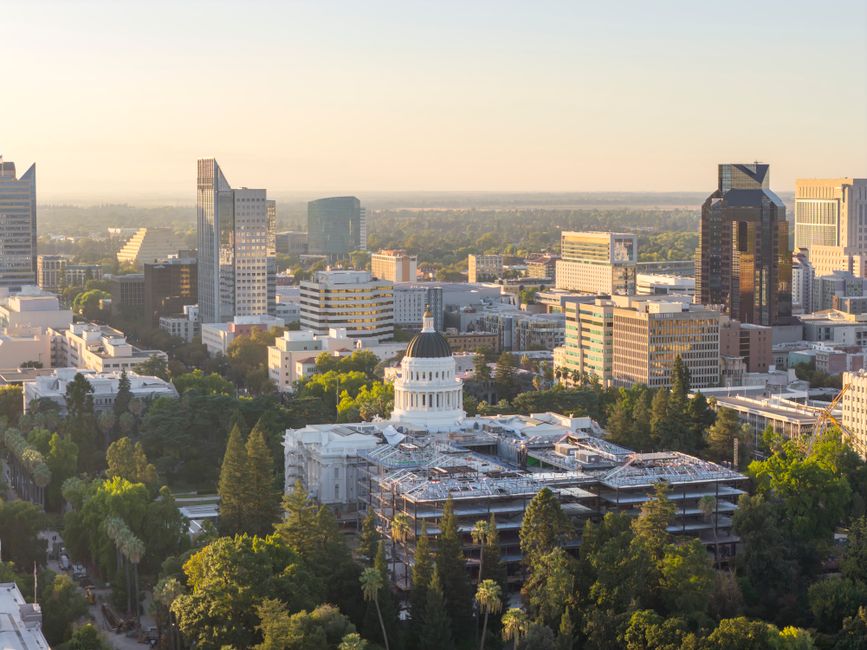
Downtown Sacramento wraps around the State Capitol building like everything revolves around it—because officially, everything does. The Capitol itself is free to tour, which matters if you're watching your budget. I spent an afternoon in there and the building is legitimately grand; worth an hour of your time whether you care about politics or not.
The real draw is the Old Sacramento waterfront district, about a ten-minute walk from the Capitol. The riverfront boards have that intentional Old West vibe—some of it genuine, most of it restored-to-death—but it works on families and first-time visitors. There are paddle-wheel boats, restaurants with river views that actually live up to the hype, and enough souvenir shops to keep people occupied. The Railroad Museum is excellent if you're into that.
Stay downtown if you're visiting for under three days, want walkability, and don't mind paying more for your hotel room. It's tourist-friendly by design. But if you're moving here long-term, I'd look elsewhere. Downtown has the energy during the day and on weekends, but it empties out at night. Tree-lined streets, sure, but the neighborhood itself doesn't have the residential density that makes a place feel lived-in.
Midtown: The Neighborhood for Actual Living
Midtown is what downtown wants to be when it grows up. Walk down J Street between 15th and 20th and you'll see why people move here deliberately instead of by accident. Real restaurants—not corporate chains or dated riverboat-themed establishments. Independent coffee shops, used bookstores, bars where people actually know each other. The neighborhood has density without feeling cramped, character without trying too hard.
This is young professionals territory, which sounds dated but accurately describes who you'll see here. Thirty-somethings with office jobs, a solid contingent of state workers, people who bike to lunch, people with dogs walking past murals. Rents are higher than less-central neighborhoods but lower than you'd pay in comparable parts of San Francisco or Los Angeles.
The architecture is real—older Craftsman and Spanish Colonial Revival homes mixed with newer apartments and converted warehouse lofts. Old Sac Historic Landmark District borders it, and there's enough foot traffic on weekends that outdoor seating at restaurants is worth fighting for. If you're moving to Sacramento for work and want to be somewhere you can actually walk to dinner, coffee, and a gym, this is it. Not family-unfriendly, but not designed around them either.
Land Park: For Families With Actual Time
Sacramento has a zoo. It's in Land Park. If you have kids, this matters to you immediately. But Land Park is bigger than the zoo.
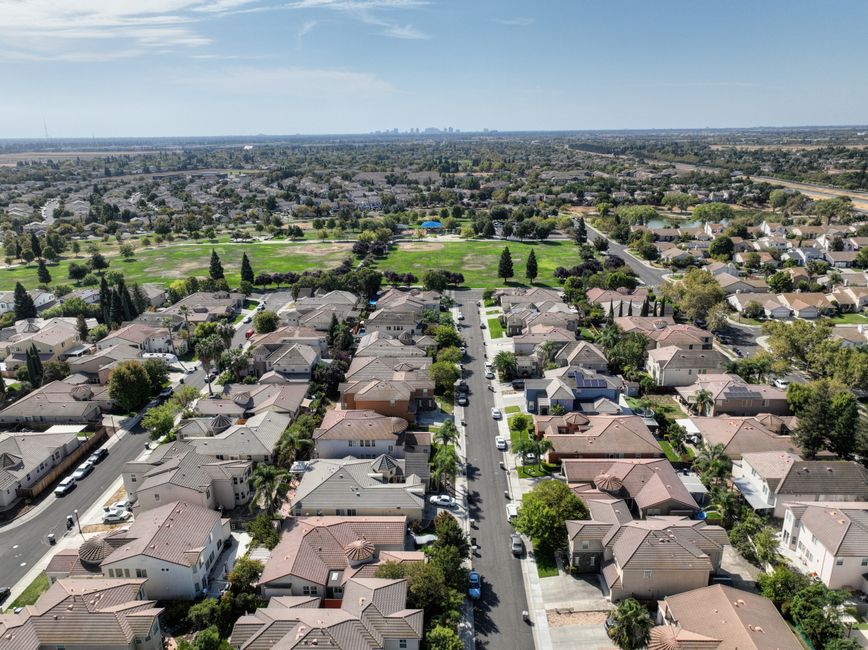
This is an established neighborhood where people nest. Tree-covered blocks, parks on almost every corner, schools that people talk about actively choosing. The demographic skews older-millennial families and multigenerational households. It's quieter than Midtown, more suburban in feel, but not in that soul-crushing mall-adjacent way. There's real community structure here—farmers markets, neighborhood associations that actually function, kids walking to school.
The Pocket, a smaller neighborhood within/adjacent to Land Park, is similarly family-oriented but even quieter. Both neighborhoods work well if you're moving to Sacramento with school-age kids or you want walking trails and parks as your weekend backdrop. They don't have the restaurant scene or nightlife of Midtown, but they have what families actually use: safe streets, good schools, room to breathe. First-time visitors probably skip Land Park unless there's a specific attraction, but if you're considering moving here with a family, spend an afternoon walking around. It tells you something real about how Sacramento moves when it's not performing for tourists.
East Sacramento: The Older, More Established Version
East Sacramento, technically Elmhurst but that's not what anyone calls it, is where Sacramento's money lived first. Larger homes, wider lots, tree canopy that actually cooled streets down before air conditioning became mandatory. It feels more established than Midtown, more upscale than Land Park without the performative wealth thing.
Retired professionals, older established families, and people who worked their way up in state government tend to end up here. It's the neighborhood equivalent of financial planning—everything is organized, nothing is flashy. Schools are established, parks are maintained, and there's a general sense that people plan to stay for twenty years, not five.
Walk around Folsom Boulevard on a weekend afternoon and you'll see locals, actual neighborhood residents living actual lives. Not a ton of restaurants compared to Midtown, but enough solid options to not feel stranded. It's less walkable than downtown or Midtown for daily purposes, but that's the trade-off for space. Good for retirees coming to Sacramento for reasons other than nightlife. Worth considering if you're moving here long-term and want fewer surprises and more stability.
South Sacramento: The Complicated Real Thing
I'm going to describe this carefully because it deserves nuance. South Sacramento—south of Highway 50, broadly—is where a majority of Sacramento residents actually live. It's also the most economically diverse and the least tourist-focused area of the city.
Pockets of it are genuinely up-and-coming. Fruitridge, Pocket, Curtis Park have active neighborhood associations, young people improving properties, new restaurants opening on Stockton Boulevard. Other blocks have more visible poverty, more vacant storefronts, more of the hardship that comes with a capital city's real economy. It's not dangerous in the way local news sometimes implies, but it's not gentrified either. This is authentic Sacramento, unfiltered.
I wouldn't recommend it for short-term visitors unless you're specifically interested in seeing the city without its tourist face. For people moving here on a limited budget, it's worth investigating specific neighborhoods rather than avoiding the whole area. Some blocks are genuinely pleasant, rents are significantly lower than Midtown or downtown, and you'll live around actual Sacramentans instead of people performing Sacramento for out-of-state jobs. It requires more homework—talk to people actually living there, drive the streets multiple times, check out specific blocks—but if you're willing to do that work, you'll find neighborhoods with real character and real affordability.

Getting Around and Finding Your Fit
Sacramento's layout is straightforward. Downtown sits where two rivers meet. North of that is suburbs. South of that is more of the city. Midtown and East Sacramento are central. Driving is the path of least resistance, which people hate to admit but it's true. The bus system exists and works okay, but it's not the draw it is in coastal cities. Biking is increasingly viable and the city is adding bike infrastructure constantly.
Spend a weekend here before you decide anything. Walk the neighborhoods at different times of day. Have breakfast in Midtown, lunch at the farmers market in Land Park, walk through downtown at dusk. Talk to people at coffee shops—Sacramentans are friendly and weirdly happy to describe their neighborhoods honestly, which is unusual.
The neighborhood you pick depends on what you actually want from a city. If you want density, walkability, and restaurants, Midtown. If you want space, schools, and parks, Land Park or East Sacramento. If you want to understand the actual city without the glossy version, South Sacramento demands research but rewards it. Downtown works for tourists and people who work nearby. Nowhere is wrong. You just need to know which version of Sacramento you're actually visiting.