
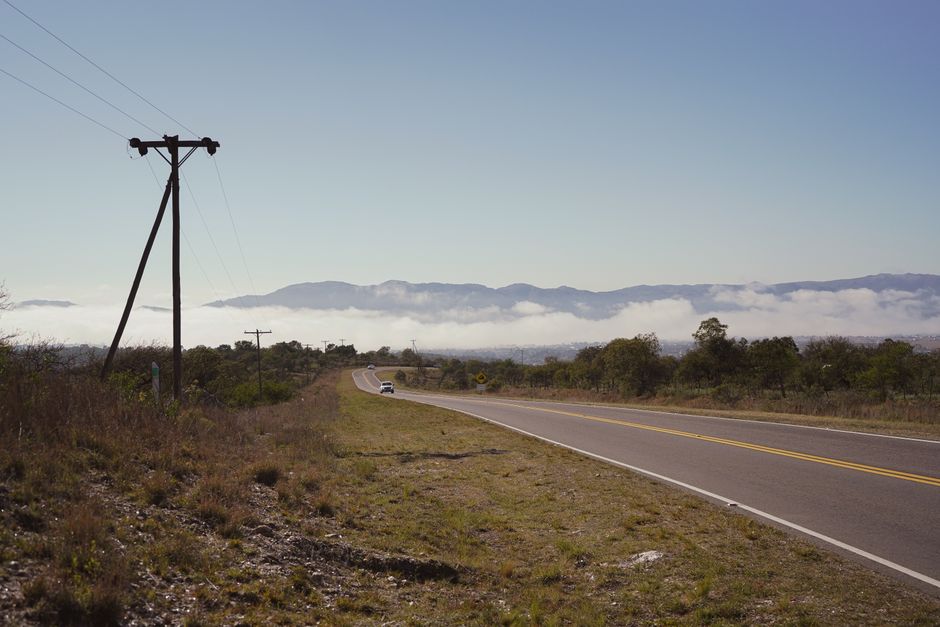
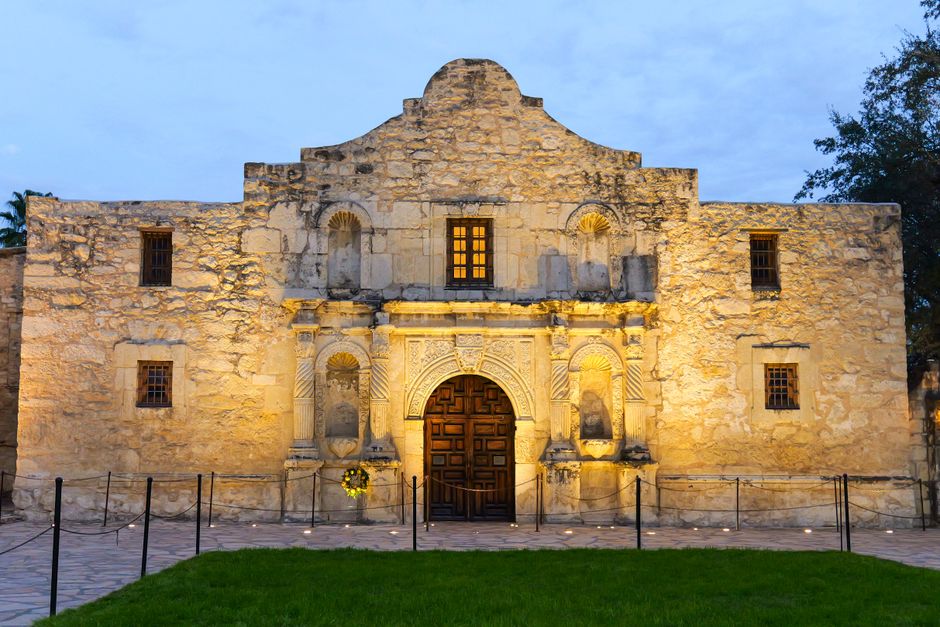
I showed up in San Antonio on a humid Thursday in March with plans to spend three days walking the River Walk and eating breakfast tacos. By day two I was antsy. The city's great—don't misunderstand—but after you've done the Alamo and hit a few good barbecue spots, the pull to see what's actually out there becomes hard to ignore. Turns out, some of Texas's most interesting terrain sits within an hour or two of downtown, and the drive itself is usually half the fun.
The Hill Country opens up just north of the city limits. From there, you've got limestone caves, state parks with actual swimming holes, small towns that have somehow stayed unpretentious despite decades of tourist attention, and wineries scattered across rolling terrain that doesn't look like Texas at all. I spent a week sorting through the real options—the places worth the gas and the time away from the city center. These are the ones that actually deliver.
Enchanted Rock State Natural Area
Enchanted Rock is a 425-acre state park built around a massive pink granite dome that rises 425 feet from the landscape near Llano, about 75 minutes north of San Antonio. The main draw is hiking to the summit—a 1.6-mile round trip that's steep but not brutal, and the view from the top is legitimately worth the sweat. On a clear day you can see out across Hill Country ridges that roll away in every direction.
The rock itself is strange to look at up close. The granite is actually cooler to the touch than you'd expect, and the whole dome has that surreal, almost set-piece quality that makes people reach for their cameras. Bring water. Seriously—more than you think you need. The exposed rock means no shade, and by midday the temperature climbs fast.
Go in fall or early spring. Summer is hot enough that you'll regret leaving the car, and the parking lot fills up by 10 a.m. on weekends year-round. Winter is fine if you don't mind it being cool, but spring wildflowers make it the better bet. There's no food at the park, so pack snacks or grab something in Llano before you arrive.
New Braunfels and the Guadalupe River
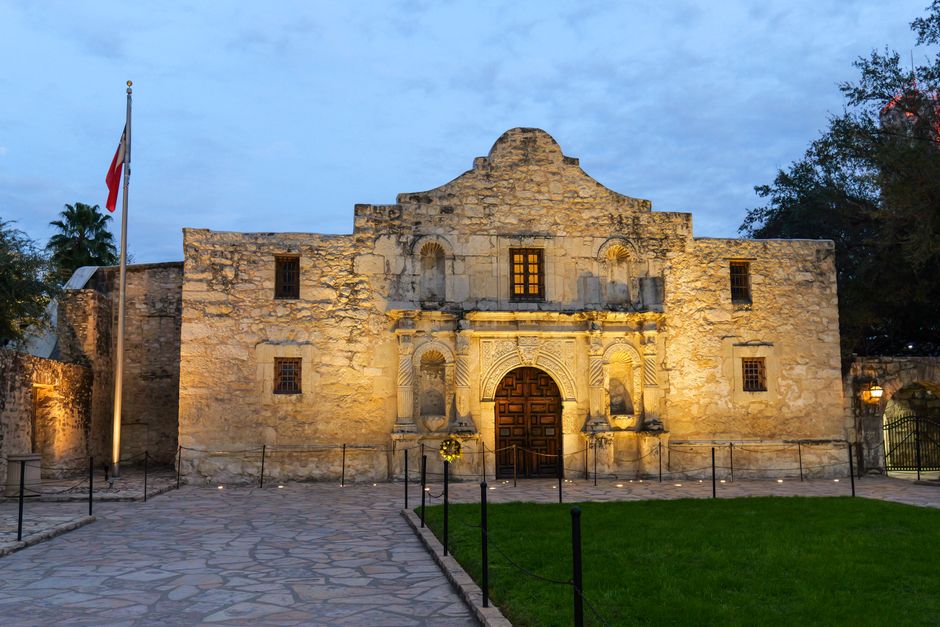
New Braunfels sits about 45 minutes northeast of San Antonio, and it's where San Antonio goes when it wants to get in water without driving all the way to the coast. The Guadalupe River runs through town, and tubing is the main event—you float downstream for an hour or so, usually in groups, and the whole thing has the vibe of controlled, adult recreation.
Wolfers Tubing and Landa Park are the two main outfitters, and both handle the logistics pretty smoothly. You show up, pay, get fitted with a tube, and hop in. The current is mellow enough that you don't have to be an athlete, and the scenery is actually nice—tree-lined banks, limestone cliffs in spots, the water clear enough that you can see the bottom in most places. Bring a water shoe or old sneaker. The rocks are slippery.
Tubing season really runs May through September, but honestly June through August is when you want to be there—the water's warm, the weather's cooperative, and if you're floating downstream on a tube with a beer in a koozie, the heat isn't really a problem. Off-season is quieter and sometimes cheaper, but the water temperature drops fast, and not everyone enjoys shivering through a river float. The town itself has decent tacos and basic restaurants, nothing fancy, but enough to refuel after you're dry.
Fredericksburg and Wine Country
Fredericksburg is about 80 minutes north of San Antonio, nestled into the Hill Country proper. It's a small town—maybe 10,000 people—that was founded by German settlers in the 1840s, and that heritage still shows in the architecture, the beer culture, and the vibe. Main Street is lined with shops, galleries, restaurants, and tasting rooms, and while it can feel a bit curated for tourists, it's not entirely fake.
The wine thing is real but easy to overstate. There are wineries scattered through the surrounding hills—we're talking 40-plus at last count—but most of them are small operations, not fancy estates. The grapes grown here are experimental; the soil and climate are all wrong for traditional vinifera, so producers focus on different things. Some bottles are legitimately good. Others taste like someone was trying something out. Either way, the point is the drive through rolling terrain, the time out of the car, and the general unplugging.
Rather than trying to hit multiple wineries in one day—which gets exhausting—pick one or two, take your time, and actually spend time in town. The restaurants are solid; Navajo Grill does good steaks and game, and there are several decent taco places. Spring (March-April) is perfect—wildflowers are blooming, the temperature is pleasant, and crowds are manageable. Summer is hot and packed with families. Fall can be excellent if you go early, before Labor Day.
Blanco State Park and Swimming Holes
Blanco sits about an hour northeast of San Antonio, a tiny town of maybe 1,500 people built around the confluence of the Blanco River and Pedernales River. Blanco State Park is the draw—a lean 104 acres with river access, picnic areas, and a swimming hole that's honestly one of the best things to do in the region if you just want to cool off without the tubing apparatus.
The river here is calm and clear, and the park manages the space well. There's a small parking area, a picnic ground with shade, and direct access to the water. You can walk in, float in an inner tube if you want, or just wade around. It's less of a scene than New Braunfels and less organized, but that's partly the appeal. Bring a picnic. Grill something. Spend three hours doing nothing productive.
Water levels fluctuate seasonally, and after heavy rain the river can get swift and murky, so check conditions before you go. Late April through August is the best window—warm enough to enjoy the water, and water levels are usually stable. The town of Blanco itself doesn't offer much in terms of dining, so pack food or eat before you arrive. There's a small grocery store, but nothing fast or restaurant-quality.
Wimberley and the Natural Bridge Caverns
Wimberley is about 50 miles southwest of San Antonio, roughly an hour's drive, and it's become something of a creative community—art studios, live music venues, small cafes, and a main drag that's way more interesting than you'd expect from a town this size. The town itself is worth the trip, especially if you're the type who likes wandering galleries and catching live music on a Saturday night.
But the big draw is Natural Bridge Caverns, just outside town. It's a underground cave system with guided tours that take you 45 minutes down into limestone passageways, past stalactites and stalagmite formations that range from museum-quality to just weird-looking depending on your mood. The guides are knowledgeable and don't oversell the drama. It's genuinely cool without being overly theatrical.
Wimberley's also home to the Blanco River, and there's swimming access at various points around town, though Blanco State Park is honestly the better organized option if water is your main goal. Spring and fall are ideal—the cave is cool year-round, so winter is never cold, but the town is more pleasant when the weather isn't brutally hot. Summer crowds are rough; winter is quiet and sometimes has spotty hour updates for the cavern, so call ahead if you're going then.
Logistics and When to Go
Most of these spots are drivable as a half-day or full-day trip. Enchanted Rock, Blanco State Park, and Wimberley can be done in four to six hours if you're in and out. New Braunfels tubing takes about three to four hours total once you factor in parking and getting sorted. Fredericksburg deserves a full day or overnight if you want to actually see the town and hit a winery without rushing.
Gas won't break you—none of these are more than 90 minutes away, and a fill-up in San Antonio before you leave will get you there and back. Bring water, sunscreen, and a hat. The Hill Country is prettier in spring and fall, but summer has the advantage of water being warm and accessible. Winter is quiet and pleasant if you don't mind the temperature, but some places reduce hours or close on weekdays.
The drive out is usually part of the experience. Most routes take you through small towns and farm country, and the roads themselves—especially anything winding through the Hill Country—are worth the time. Don't rush the drive. Stop for coffee, stop to look at a view, let the pace of the day settle into something slower than what you're used to in the city.
Frequently Asked Questions
What's the closest day trip from San Antonio?
New Braunfels is about 45 minutes northeast, making it the quickest option. It's centered around tubing the Guadalupe River and takes about three to four hours total including drive time. Wimberley (about 50 miles southwest, roughly an hour) is also very close and offers town exploration plus the Natural Bridge Caverns.
Is tubing in New Braunfels worth it?
Yes, if you want to cool off without leaving the Hill Country. The float is mellow, the scenery is decent, and it's a straightforward way to spend a few hours in water. The main caveats are summer crowds and water temperature—go June through August for warm water, bring footwear for slippery rocks, and expect a lot of other people doing the same thing on weekends.
What's the best time to visit Fredericksburg from San Antonio?
Spring (March-April) and early fall (September-early October) are ideal. Spring has wildflowers and mild weather; early fall is warm but not oppressive, and crowds drop off after Labor Day. Summer is hot and packed with families. Winter is quiet and pleasant if you don't mind cooler temperatures.
Can you do Enchanted Rock and Blanco State Park in one day?
You can, but it's tight. Enchanted Rock is about 75 minutes north, Blanco is northeast of that, and they're not really on the same route. You'd spend more time driving than at each spot. Better to pick one and spend a real afternoon there, or combine Blanco with Wimberley since they're closer to each other.
Which day trip would you take first?


