I rolled into Santa Fe on a Tuesday morning expecting to spend three days wandering the plaza, hitting the galleries, maybe catching a show. By Wednesday afternoon I was restless. The high desert has that effect—it makes you want to move, to see what's beyond the next ridge. Turns out, some of the most compelling things to do in this part of New Mexico aren't in Santa Fe at all. They're scattered across the surrounding valleys and mesas, all within an hour or two of the art-gallery crowds. Once you know where to go, day trips from Santa Fe become the real backbone of a visit here.
Bandelier National Monument: Ancient Cliff Dwellings and Pine Forest
Bandelier is about 45 minutes southwest of Santa Fe, and it's the kind of place that doesn't feel touristy even when it's moderately busy. The main draw is obvious: ancestral Puebloan ruins carved directly into volcanic tuff, with kivas you can actually climb down into and cave dwellings your hands can touch. The signature hike—up to the main pueblo village, then further along the cliff edge past some of the best-preserved dwellings—is maybe two miles round trip with negligible elevation gain. But the real secret is walking the longer loops deeper in the park, where you see fewer people and the ponderosa forest is genuinely restorative.
Bring water and sunscreen even in cooler months. The sun reflects off the pale rock and it'll catch you. Parking fills up by 10 a.m. on weekends during summer, so aim for a weekday or go early. Fall (late September through October) is ideal—the aspens start turning, it's still warm enough that the cliff shade is pleasant rather than cold, and the crowds thin out after Labor Day. Winter is possible but the higher elevation means occasional closures, and spring can be windy enough to be annoying.
Tesuque Pueblo and the High Road North
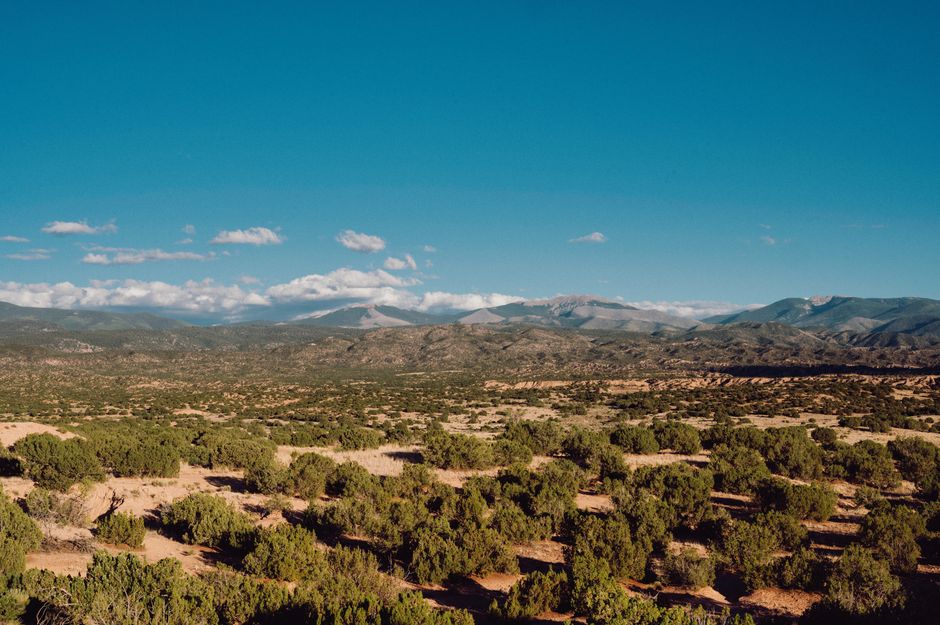
Tesuque Pueblo sits about 20 minutes north of Santa Fe, and while you can visit the pueblo itself (there's a visitors center and a few shops), the real reason to make the drive is to continue north on the High Road to Taos—a 40-mile scenic route that's one of the most visually interesting drives in the state. The asphalt winds through small Spanish villages that feel genuinely lived-in, not staged for tourism. You'll pass Pojoaque, Nambé, Española, and Ohkay Owingeh, each with their own galleries, craft workshops, and churches.
Stop in Peñasco if you want food that's actually good. The sugar of the north is red chile, and you'll see it drying on ristras everywhere. If you want to do pottery or weaving, several pueblos offer workshops if you call ahead. The drive works best in fall or spring, when the light is clean and the weather isn't extreme. Summer gets hot, winter can be dicey with snowmelt and ice on the narrower sections. You can do this as a half-day trip or combine it with a full day in Taos if you have the time.
Madrid: A Former Ghost Town That Became an Artist Colony
Madrid (pronounced MAD-rid locally, not ma-DREED) is about 40 minutes south and slightly east of Santa Fe, nestled in the foothills between Santa Fe and Albuquerque. It was a thriving coal-mining town until the mines closed in the 1950s, and it pretty much died. Then, starting in the 1970s, artists and back-to-the-landers moved into the cheap, abandoned houses and gradually converted the place into something genuinely quirky. There's no corporate presence here, no chains, no slick branding.
Walk the single main street and you'll find maybe a dozen galleries, a couple of small restaurants, and a general store that's actually general. The Old Baldy Mine is visible from town if you hike a short trail. The whole place has a lived-in, slightly weird energy that feels authentic—not like a Disney version of a town. You can do Madrid in two hours if you're moving fast, or three to four if you poke around. The best time is October through November or March through April. Summer is baking hot on that hillside, and winter can be surprisingly cold. The road going in and out has some curves, so avoid it if there's been fresh snow.
Pecos National Historical Park: Ruins and River
Pecos is about an hour northeast of Santa Fe, at the edge of the Sangre de Cristos. The park centers on the ruins of Pecos Pueblo, which was one of the largest and most significant pueblos in the region before Spanish colonization and later American settlement. The pueblo sits on a ridge overlooking the Pecos River valley, and the main trail loops through the pueblo ruins, the Spanish colonial church (built in the 1600s and partially destroyed), a kiva, and some genuinely good views of the surrounding landscape.
The hike is maybe two miles, mostly easy with some elevation change. There's a visitor center with context and restrooms. If you have more time, the Pecos River is right there—cold and fast and pretty, and there are spots where you can wade or fish if you bring a license. The park is less crowded than Bandelier, which is its own kind of draw. Spring through fall is good, though late spring and early fall are best—June and July can get afternoon thunderstorms, and winter means elevation-related weather you have to watch for. If you're interested in Spanish colonial history alongside ancestral Puebloan sites, this combines both in a way most other nearby stops don't.
Chama and the Cumbres & Toltec Scenic Railroad
Chama is a one-way drive of about 90 minutes northwest, and it's worth the haul if you have time for a full day. The main event is the Cumbres & Toltec Scenic Railroad, a narrow-gauge steam railway that runs through some seriously beautiful high-country terrain. You can do a half-day or full-day excursion depending on how much time you have. The full-day route goes up to an elevation of nearly 11,000 feet, crosses a 137-foot trestle, and drops you off at Osier, Colorado, where you have lunch (usually simple but okay) before returning. The train moves slowly, the windows are open, and you actually smell the pine forest and feel the temperature changes.
Chama itself is a small ranching and outdoor town with a few restaurants and outfitters if you want to fish or hike in the surrounding area. The railroad operates May through October, with peak crowds in summer and early fall. I'd suggest going in September or early October if possible—the aspens are turning, it's not scorching, and you won't be pressed against families with small kids who haven't learned to sit still. Book ahead, because the better day options fill up. It's a slower, more meditative day trip than some of the others, and it works best if you're interested in trains or just want to stare out a window at mountains for a few hours.
When to Go and What to Pack
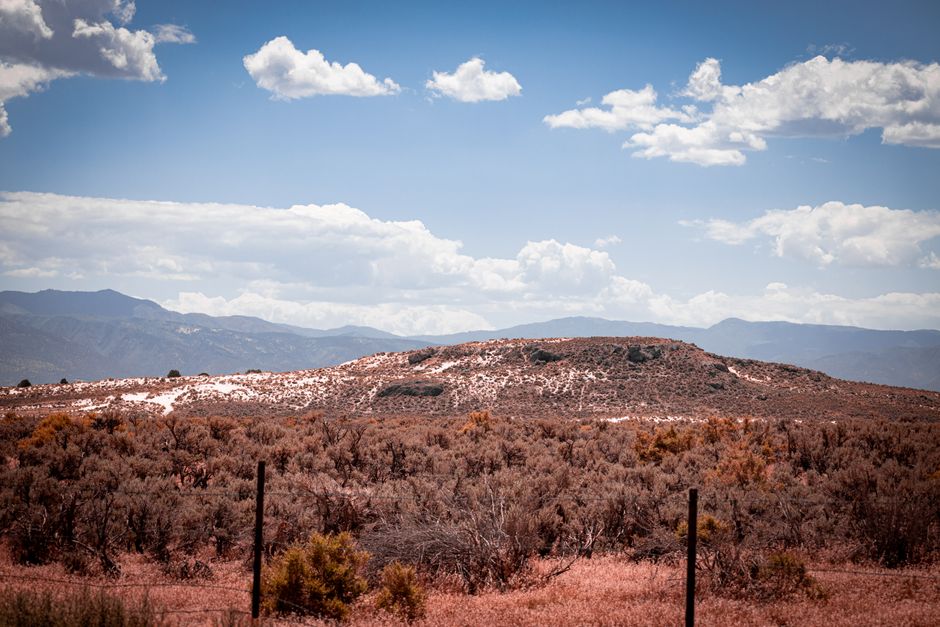
Santa Fe sits at 7,000 feet, and everywhere else on this list is higher. The sun is intense even when the air temperature seems mild. Bring sunscreen and a hat you don't mind sweating through. Sunglasses are not optional.
Fall is the obvious choice for day tripping—September through November, with October being the peak. The light is clean, the aspens turn, and the crowds thin out after Labor Day. Spring (March through May) is good too, though the wind can be brutal and there's always the possibility of late snow. Summer works if you don't mind crowds and afternoon heat in lower elevations. Winter is beautiful but shorter days mean less flexibility, and weather can close roads without much notice.
Bring plenty of water for anything involving hiking, even short hikes. The high desert is deceptive—you'll drink more than you think, and dehydration at elevation hits different. A light jacket is smart even in summer because afternoon thunderstorms are sudden and temperatures drop fast.
Getting Around
You need a car. Public transit exists in Santa Fe but doesn't extend to most of these spots. Roads are generally well-maintained, though some narrow mountain passes require attention during winter. Fill your gas tank before heading out, especially if you're doing a full day north toward Chama. Cell service is spotty in places, so download your maps offline if you're relying on GPS.
Driving times vary by weather and season. Summer heat can make you want to leave earlier to avoid afternoon storms. Winter may require chains or driving slower. None of these roads are hard by Western mountain standards, but they're not interstates either. They reward patient, attentive driving.