
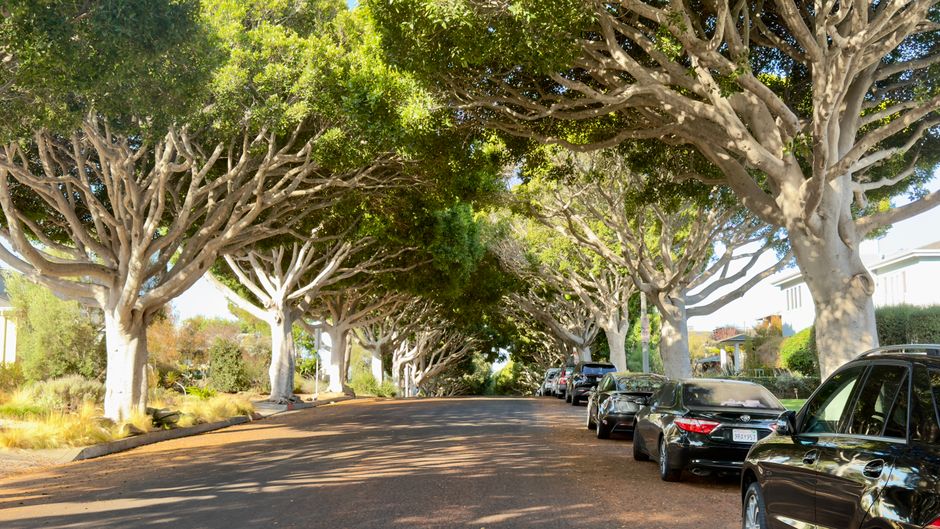
I pulled into Santa Fe on a late afternoon in October, the high desert light turning everything the color of old copper. The first thing that hits you is the altitude—7,000 feet doesn't sound like much until you're walking up a slight grade and your lungs remind you otherwise. The second thing is that this place doesn't fit neatly into any familiar category. It's not quite a small town, not quite a destination resort, and definitely not a normal city.
After a week of staying in different neighborhoods, eating decent breakfast burritos, and talking to locals in coffee shops, I realized that where you stay matters more here than it does in most places. Santa Fe doesn't have neighborhoods that bleed into each other. They're distinct—different vibes, different crowds, different reasons to be there. If you're planning a trip or thinking about moving here, your neighborhood choice will shape the whole experience.
The Plaza and Downtown: Tourist Central (But Worth It If You Know What You're Doing)
The Plaza is the grid from which everything radiates. Historic, crowded, packed with galleries and restaurants and tour groups. If you stay here, you're in the thick of it—the beating heart of what most people think of when they think Santa Fe. The Palace of the Governors sits on the north side. Portal shops line the ground floor where vendors sell turquoise and silver and textiles. It's touristy, sure, but the tourism here has deep roots.
This area works best for first-time visitors who want to be walkable to everything and don't mind crowds. If you're spending three days in Santa Fe and want to see the major museums, eat at the best restaurants, and shop without renting a car, the Plaza is logically sound. Hotels and inns cluster here, though they price accordingly. Many are historic properties—real adobe buildings, not imitations—with quirky layouts and creaky wooden floors that feel authentic but sometimes come with creaky pipes too.
I'd warn younger travelers that the nightlife here is quieter than you might expect. There are bars, but Santa Fe isn't a party destination. If you're looking to go out and stay out late, you'll find options, but you won't find a scene.
Canyon Road: Art and Money, in That Order
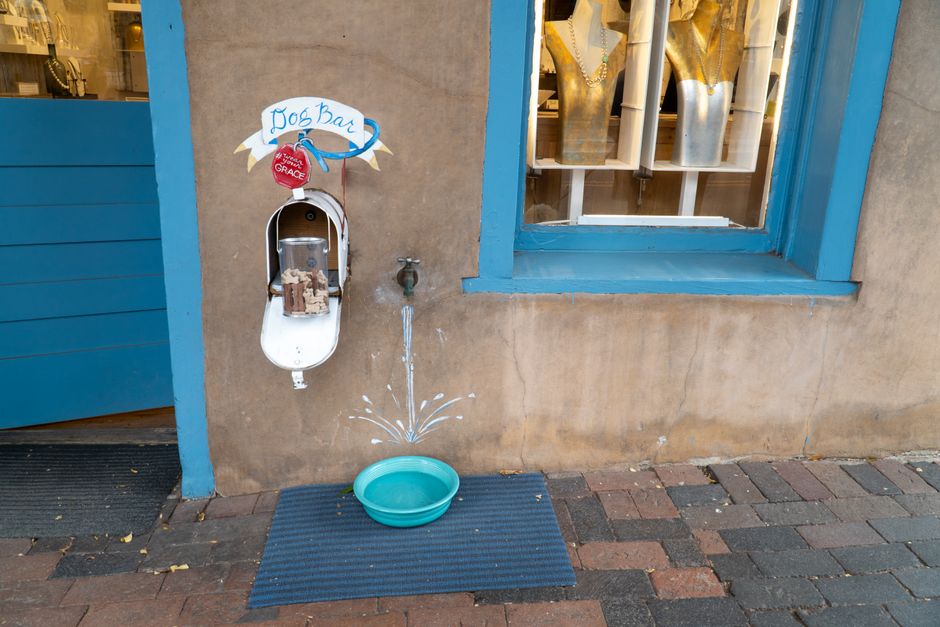
Canyon Road runs north from the Plaza and essentially is Santa Fe's version of an art district, except it's been that for decades and the art market is serious here. The road itself is beautiful—it winds uphill through piñon and juniper with stunning light, especially in the morning. Galleries line both sides. Some are high-end contemporary spaces with six-figure pieces; others are smaller, weirder, more experimental.
Who stays here? People who want to be close to the art scene without being in downtown gridlock. Some galleries have installed themselves as destinations—you walk in and spend an hour. There are a few restaurants and coffee spots, though not as many as you'd think. The neighborhood is quieter than downtown, the buildings more spread out. It genuinely feels like Santa Fe from thirty years ago in parts, though development is creeping in.
Rent and property prices on Canyon Road run high. If you're moving here for an art career or working remotely with serious money, this is appealing. For tourists, it's worth a morning or afternoon of walking and gallery-hopping, but you probably don't want to be based here—it's more hub than home. The wind can be fierce in winter, and parking fills up on weekends.
The Railyard: Where Young Santa Fe Lives
The Railyard, officially called Santa Fe Railyard District, is the neighborhood that feels like Santa Fe is actually trying. Twenty years ago this was industrial space and train yards. Now it's breweries, art studios, a farmers market (Saturdays, year-round), restaurants, and a general density of people under forty. There's still visible dust and space—it's not cramped or overdeveloped—but it has genuine energy.
This is where I spent the most time, and it's where I'd tell most younger professionals or remote workers to look first. The vibe is less precious than Canyon Road, less touristy than the Plaza. You can get a decent meal without a reservation two days in advance. There are actual bars where people are drinking at 10 p.m., which sounds simple but isn't guaranteed in Santa Fe. The Railyard Brewing Company and Second Street Brewery are both there and both good. There's a reason young people who stay in Santa Fe long-term end up here.
Housing is more affordable here than downtown or Canyon Road, though still not cheap for the region. If you're renting short-term, Airbnb options are plentiful. The neighborhood is walkable but you'll probably want to drive or bike to other parts of town. The farmers market alone—with local produce, prepared food, and a genuine community gathering feel—is worth factoring into your decision.
Agua Fria: Residential and Real
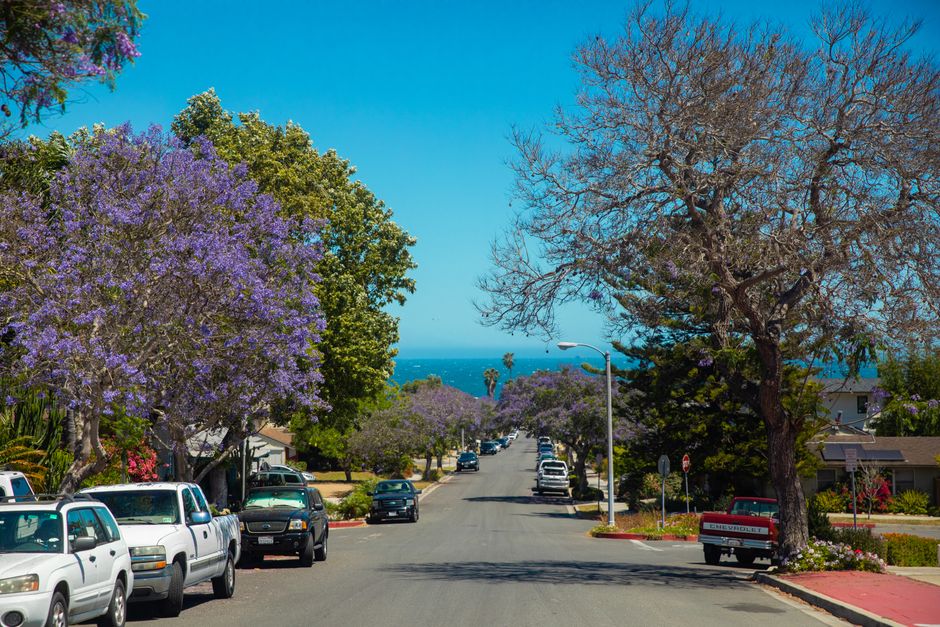
Agua Fria is the neighborhood south of downtown, quieter and more residential than either the Plaza or the Railyard. The street itself has some restaurants and shops, but it feels more like a place where people actually live rather than a destination. Many of the buildings here are older Santa Fe style—earth tones, low profiles, actual history rather than nostalgia.
This is the neighborhood for people who want to be close enough to downtown that walking is possible but far enough away that you're living in a real neighborhood, not a tourist district. It suits families, retirees who want walkability without crowds, and longer-term residents working remotely. Housing is slightly cheaper here than closer to the Plaza, and you get actual residential character. There are galleries and studios mixed in with regular businesses and homes, which keeps things interesting without feeling designed for tourism.
The main drawback is that it's less walkable than downtown and less equipped with bars and nightlife than the Railyard. If you need to be around young people and active nightlife, Agua Fria feels quiet. But if you want to be in Santa Fe without being in the tourist machinery, it's solid.
Tesuque and the North Side: Quieter, More Space, Harder to Navigate
North of Santa Fe, toward the ski area (when there's snow), you get into neighborhoods like Tesuque and areas up toward the mountains. These are quieter, more spread out, with larger properties and longer distances between things. There are upscale communities here, retirement communities, and just people who want space. Some roads are unpaved. The views can be extraordinary, especially at sunset looking back toward the city.
This area suits retirees, families with kids who want yards and quiet, and people building or buying permanent homes who don't need to be walkable to downtown. If you're visiting for a long weekend, you probably don't want to stay this far out unless you're renting a house with friends. The distance means you're driving to get anywhere. Winter can be serious up here—elevation, snow, wind—and not everyone is ready for that.
I only spent a few hours in this zone, driving through to get to the ski area access. It's beautiful and peaceful but feels separated from the Santa Fe that most people come for. That separation is either the point or the problem depending on what you want.

Practical Notes on Actually Moving or Staying Here
Santa Fe's housing market is tight and expensive for the region. If you're moving here, expect to pay more than you would in comparable-sized towns in the Southwest. The trade-off is that the city itself is genuinely interesting—weird, sometimes frustrating, but not boring. The altitude is real; most people adjust within a few days, but dehydration hits faster than you expect.
Water is a ongoing conversation here, not just a resource. The city is in the high desert. Winters can be cold. Summer monsoons are brief and intense. Fall is long and perfect. Spring is windy. If you're renting for a few weeks, these details matter less. If you're moving permanently, they matter a lot.
The neighborhoods I haven't focused on—and there are others worth exploring—tend to be either further out and more suburban, or they're small pockets with specific character. The ones I've covered give you the main options depending on your travel style or life stage. Spend time in each if you're moving. If you're visiting, pick one neighborhood to base yourself in rather than bouncing around. Santa Fe rewards depth over breadth.



