I showed up in Tulsa on a Friday afternoon with a full tank and no real plan beyond seeing what people actually do on weekends around here. The city itself has plenty going on, but I quickly realized the real draw for locals was getting out—driving an hour or two into the kind of landscape that makes you understand why Oklahoma has such a specific pull on people who grew up here. You've got old stone structures tucked into hills, rivers that still matter, and state parks where you can hike or fish without feeling like you've joined a tour group.
Most of these spots fall within an hour-and-a-half drive, which means you can leave mid-morning and still have real time to spend somewhere instead of just sitting in a car. Summer gets crowded and hot, especially on the water. Spring and fall are genuinely the moves—weather that won't kill you, water still cold enough to be refreshing but not miserable.
Here's what I'd actually go back for.
Robbers Cave State Park: History and Hiking About 45 Minutes South
Robbers Cave is the kind of place that feels like it has a story, because it actually does. The cave itself is real—a natural sandstone shelter carved out by a creek—and yes, the legend about outlaw gangs hiding here in the 1800s is the kind of thing locals still reference. You get maybe forty minutes of cave exploring if you're moving at a normal pace, walking through pretty narrow spaces with your phone flashlight. Not claustrophobic, but not a mall either.
The actual draw is the park around it. There's a decent hiking trail that loops through the area with some stone formations that look exactly like what you see in old photographs from 1920s travel guides—that kind of aging-movie aesthetic. The creek running through is cold year-round, and people swim in the pools when summer hits, though the water is always colder than it looks. There's a small interpretive center, some picnic areas, and parking that rarely fills up on weekdays.
Go in April or October. Summer is hot and the parking gets gnarly on weekends. Winter works if you don't mind muddy trails and the creek being higher and faster than in dry months. The cave itself stays cool regardless of season, so if you're visiting in July heat, that's actually when the interior feels best.
Lake Eufaula: Where to Fish and Just Sit Quiet, 90 Minutes East
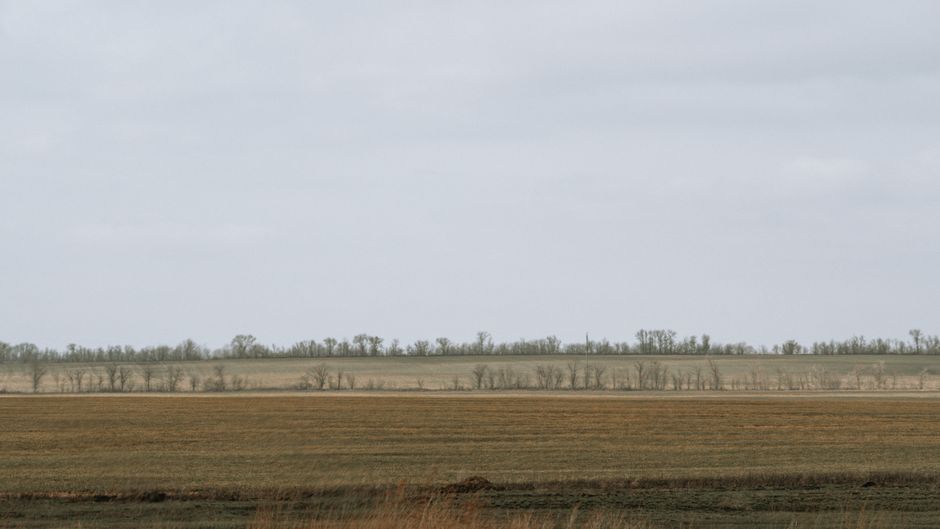
Lake Eufaula is the kind of place that exists partly on purpose and partly because someone dammed up a river decades ago. It's massive—over 100,000 acres of water—but it doesn't feel crowded the way a lot of Oklahoma lakes do. The whole drive east takes you through rural land that actually changes as you get closer, moving from Tulsa-area development into something that feels properly remote.
If you fish, this is legitimately one of the better bass and catfish spots in the state, which is saying something. Marinas rent boats, and the fishing pressure is real enough that people know what they're doing out here. Even if you're not fishing, the lake has public parks with beach access, picnic areas, and enough shoreline that you can walk or just sit watching the water without a lot of other people in your immediate field of vision. The Irwin Lock and Dam at the north end is where the actual water management happens, and if you're into infrastructure or just looking at water flowing somewhere, it's worth a drive-by.
Fall is best—September through October the water is warm enough to swim in if you want, but the summer heat has backed off. Winter fishing is supposedly great, but the whole experience gets pretty cold and bleak. Spring is good too, but weekends get heavy with people who haven't been outside since December.
Tahlequah and the Illinois River: The Center of Oklahoma's Outdoor Culture, About 75 Minutes Northeast
Tahlequah is a small college town built around Northeastern State University, but that's almost irrelevant compared to what actually happens there: the Illinois River. This isn't the famous Illinois in Illinois—it's a smaller, colder, cleaner river that runs from the Ozarks down through this part of Oklahoma, and it's become the kayaking and floating destination for the entire region.
The town itself has maybe 15,000 people and the main drag has the expected coffee shops, restaurants, and gear stores that exist because of the river traffic. You can walk from downtown to the water pretty quickly. Multiple outfitters rent kayaks and tubes if you don't have your own—this is the kind of place where floating the river on a summer weekend is just what people do, and the infrastructure exists because that's actually the local economy. The water runs from downtown north through some pretty decent bluffs and forest, and the float takes two to four hours depending on water level and how much you're messing around.
Visit in summer if you want to float, which is when the crowds hit hardest and the water is warmest. Spring is good for kayaking if you actually want to paddle instead of drift. Fall is gorgeous but the water gets cold faster than people expect. Winter is basically not an option unless you're cold-tolerant and serious about paddling.

Bartlesville: Frank Lloyd Wright and an Old Oil Town, About 50 Minutes North
Bartlesville is probably the most "tourist-adjacent" of these spots, which is weird because it's still basically a regular town that happens to have some genuinely odd architecture. The main draw is the Price Tower, a Frank Lloyd Wright building from the 1950s that was actually built as office and retail space. It's impossible to miss—a gold-skinned spiral design that looks completely out of place in a town of 36,000 people in rural Oklahoma. You can tour the interior, which is worth doing if you're interested in Wright's work, but even if you're not, just seeing it in person is different than photos.
The town has some actual history beyond architecture. It was built on oil money, and you get the sense that it peaked in the 1980s and has been quietly managing that fact ever since. There's a decent Philbrook-affiliated art museum, some older neighborhoods with real houses, and the kind of downtown that feels like it's trying without being aggressively revived. A few restaurants and cafes exist that feel locally-run rather than corporate. The Woolaroc Museum is north of town if you want to spend more time—it's basically an oil baron's collection of Western art and artifacts that somehow works.
Spring and fall are ideal. Summer is hot and there's not enough shade downtown. Winter is fine but there's nothing particularly good about it. If you're into architecture or Oklahoma history, this is the only place on this list where you could spend a full day. Otherwise, a few hours is plenty.
Seasonal Strategy: When to Actually Go
Spring (March-May) hits all of these places well, though Tahlequah gets warm-weather crowding starting in late April and doesn't really settle down until October. Early morning drives work better than afternoon—you beat traffic and arrive with actual daylight left. Robbers Cave and Bartlesville are genuinely fine year-round if you don't mind driving in rain.
Fall (September-November) is when locals who have any sense actually go. The heat is gone, the water is still swimmable early in the season, and the parking lots at state parks aren't a problem on weekdays. Late September through October is the sweet spot—warm enough to be outside all day, cool enough at night that you won't spend the whole time thinking about air conditioning.
Summer is when everything gets packed if you're going on a weekend. Tahlequah in July is basically a floating parking lot by noon. Lake Eufaula handles crowds better because it's just so big, but Robbers Cave gets legitimately full. Go early or pick weekdays if you're doing this in June, July, or August. Winter works if you're okay with shorter days and cold water, but most people aren't driving an hour-and-a-half to sit in a parking lot and think about how cold they are.

Practical Notes: What Actually Matters Before You Leave
Gas up in Tulsa. All these places have basic services—food, bathrooms, parking—but you don't want to be hunting for gas in a small town at 5 p.m. on a Sunday. Bring water and a light layer even in summer; you can get cold on the water faster than you'd expect.
Parking is free at state parks and most lake access points, though some marinas charge for parking if you're not renting a boat. Cell service is spotty once you're away from towns, so download offline maps if you're not good at reading actual signs. Most of these places close bathrooms at dark or lock gates early on winter evenings, so plan accordingly. Bring bug spray in late spring and summer—Tahlequah especially gets mosquitoes that feel personal.
Frequently Asked Questions
How far is it to drive from Tulsa to Tahlequah
Tahlequah is about 75 minutes northeast of Tulsa, roughly 100 miles via US-69 North. It's the farthest of the common day-trip destinations from the city but close enough to leave mid-morning and have most of the day to spend on the water or in town.
What is the best month to visit Robbers Cave State Park
April and October are ideal—the weather is comfortable for hiking, the trails aren't muddy, and the cave stays cool regardless. Summer is hot and parking gets full on weekends; winter can be muddy and the creek runs high from rainfall.
Can you kayak at Lake Eufaula
Yes, Lake Eufaula is big enough for kayaking, though it's less developed as a kayak destination than the Illinois River. The main attraction is fishing and relaxing on shore. If you want to kayak specifically, Tahlequah's Illinois River is the better choice.
Is Bartlesville worth visiting for just a few hours
Yes, if you're interested in Frank Lloyd Wright's Price Tower or want to see an interesting old oil town, a few hours is reasonable. You can tour the tower, walk downtown, and grab lunch. If you're not specifically interested in architecture or history, it's a shorter stop than the other day trips.
Which day trip would you take first?