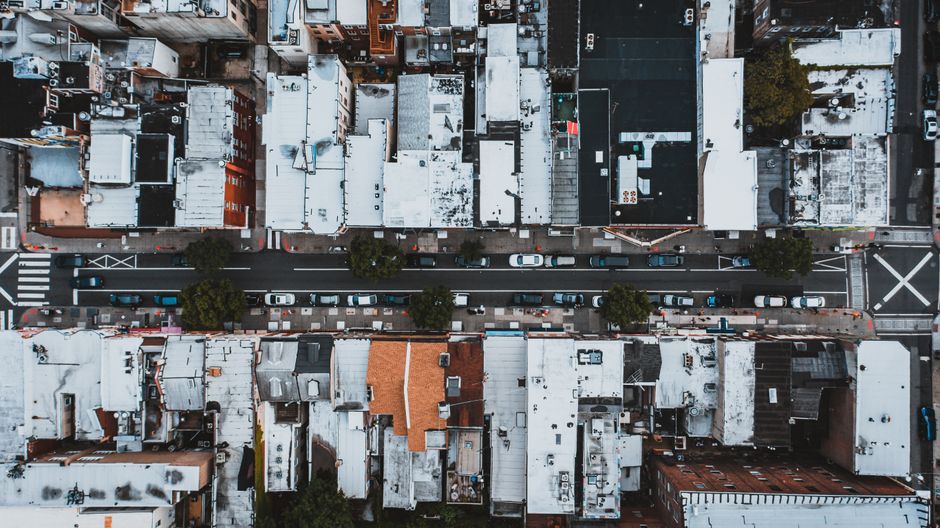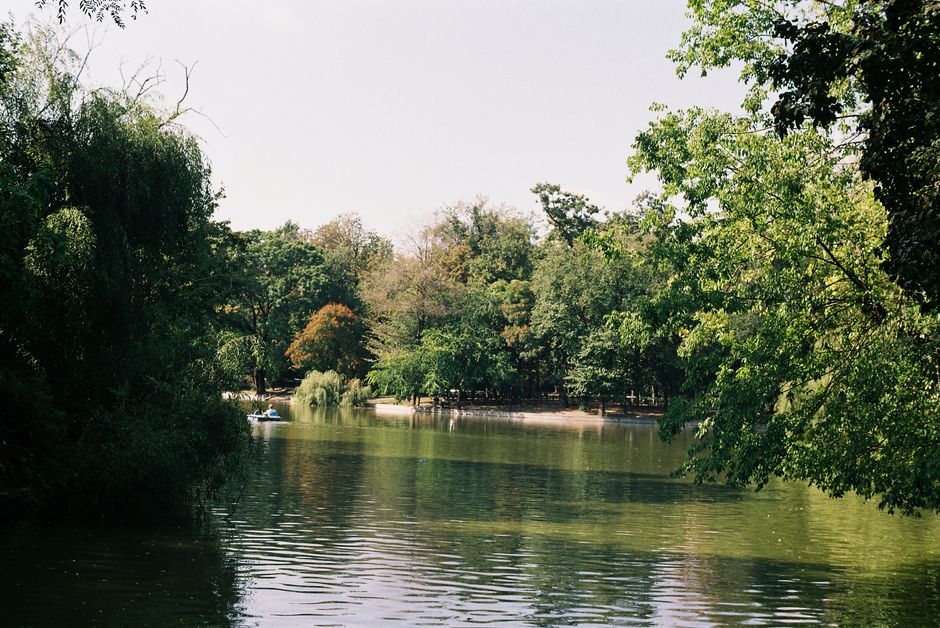
I showed up in Tulsa on a Thursday afternoon with a vague idea that it was an oil city with some art deco buildings, the kind of place you pass through on the way to somewhere else. That's what most people think. Within two hours of walking around downtown and the Blue Dome District, I realized I'd bought into the same thumbnail sketch everyone else has—and that Tulsa actually rewards the people who wander.
The thing about Tulsa is that it doesn't demand your attention the way a bigger city does. There's no queue at the attractions, no Instagram mob pointing phones at the same corner. What you get instead, if you're willing to miss the obvious stuff, is a city that feels genuinely lived-in. I spent a week here, and the best parts happened by accident—a conversation with a gallery owner, an afternoon in a pocket park I'd stumbled into, a street corner that looked like 1952.
Woody Guthrie Center: Dusty Archives, Real Stories
Most people who know Woody Guthrie don't know that Tulsa built a museum around him, and most people visiting Tulsa don't know the museum exists. It's not flashy. You walk into a converted warehouse space near the railroad tracks, and the first thing you see isn't a gift shop—it's primary documents, photographs, and a lot of listening stations.
The Guthrie Center isn't designed to make you feel smart or to deliver a finished narrative. It's more like someone opened their filing cabinet and said, here, look at how a working musician thought about America. You get his lyrics next to his financial struggles. His recordings next to the dust bowl photographs that shaped him. There's something better about that approach than a polished biographical timeline. The staff tends toward actual Guthrie researchers and folk-music enthusiasts rather than generalist museum staff, which means conversations here drift into real territory instead of the prepared remarks you get elsewhere.
The second floor has rotating exhibits and a small archive room where you can request to look at specific materials if you're serious about it. Spend ninety minutes here instead of forty-five, and the whole experience shifts. It's the kind of place that rewards lingering.
Philbrook Museum Grounds: The Park People Actually Miss
Everyone knows about Philbrook Museum itself—the mansion, the gardens, the collection. Fair enough. But the actual moment that stopped me cold was sitting in one of the quieter garden areas on a Tuesday morning, watching exactly three other people on the entire grounds. No crowds. No strollers. Just landscaping and the occasional sound of fountain water.
If you have a museum fatigue—and most travelers do by day three or four—the grounds are a free pass into something that doesn't feel like work to appreciate. The Italian Renaissance garden is the famous part, but I preferred the wild garden section, where the paths narrow and you actually feel slightly lost in a way that's pleasant instead of stressful. The native plant areas don't photograph as obviously as the formal gardens, which is probably why fewer people find them.
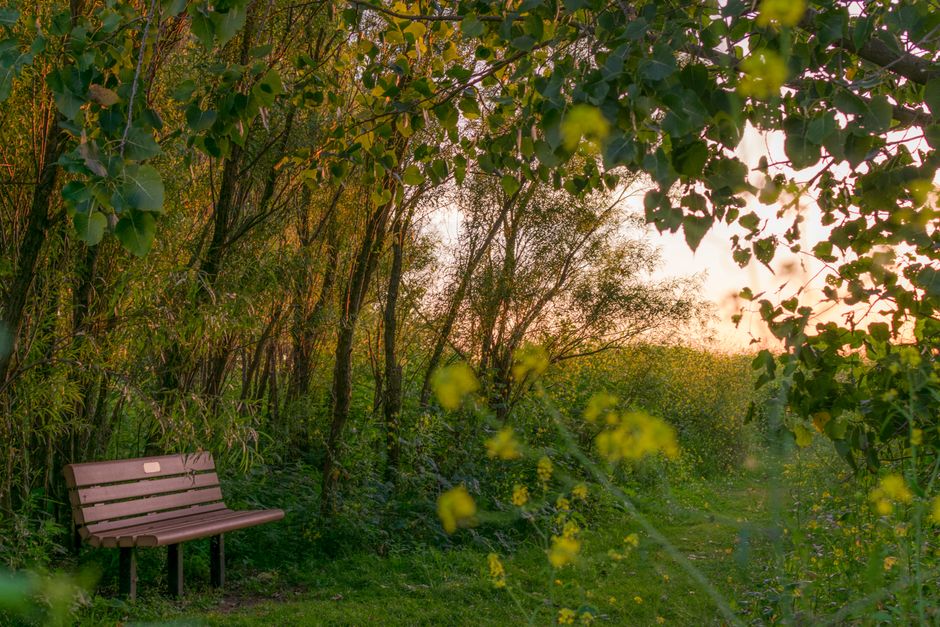
Go in the morning or late afternoon, bring a book if you want, and just sit. One of the benches overlooks a small pond where the reflection of the trees is sharper than the trees themselves. That sounds like nothing, and it kind of is, but sometimes nothing is exactly what you drove across the state to find.
Coney Island: A Diner Where They Know Your Name by Day Two
Coney Island is the kind of restaurant that probably shouldn't still exist in 2024, which is exactly why it does exist and why it's worth tracking down. It's been in the same spot since 1926, and the interior looks like they've been gradually redecorating since about 1955 and then just stopped. Vinyl booths, a counter with ten stools, waitresses in their sixties and seventies who have opinions about how you're ordering your eggs.
I went for breakfast twice. The first time, I was reading the menu like someone new. The second time, the woman taking my order just brought me coffee and assumed I wanted the number three with an egg over easy. That's the real Tulsa service move—not elaborate politeness but efficiency paired with an actual memory of who you are. The food is straightforward diner work, which is to say it's absolutely fine and not trying to be anything else. The coney dog is the namesake item, and it's solid, but go for the breakfast if you're there in the morning.
The reason I'm mentioning this at all is that Tulsa's downtown dining conversation revolves around the newer places—the farm-to-table spots in Brady Arts, the breweries, the fusion projects. Those are fine. But Coney Island is Tulsa eating the way Tulsa has actually eaten for a century. You'll be the only tourist in here on any given day.
Brady Theater Alley: Where the Murals Are Actually Visible
The Brady Arts District is the semi-official trendy neighborhood, and it gets foot traffic. But most visitors spend an hour walking the main commercial corridor and missing the real visual density. The murals and street art in Tulsa aren't concentrated in one Instagram-optimized zone—they're scattered across alleys and side walls in a way that rewards actual exploration.
I spent an afternoon just turning down different alleys and dead-end streets in the Brady area, and each one had something. Not all of it is equally accomplished, but there's something better about discovering a really good mural because you got slightly lost than finding it because you followed a curated list. The work here tends toward political messages, cultural references, and local artist names rather than the generic decorative stuff you see in other cities.
Find the ones without crowds around them. Those are usually the best ones. The scale varies from a single building wall to pieces that span entire blocks, and the artists aren't always credited with explanatory placards. Part of the point is just looking and figuring out what you think it means.
Fort Washita Historic State Park: A Short Drive, Real Silence
This one's technically just outside Tulsa—about forty minutes south—but it's worth mentioning because most people visit Tulsa, get tired, go back to their hotel, and never venture beyond the city limits. Fort Washita is a cemetery and historic site that feels like it belongs in a different region entirely. The grounds are quiet in a way that's actually unsettling. You walk past stone monuments from the 1800s, read the names of people who died in a military post that's now mostly grass and oak trees.
There's a small museum on the grounds with old uniforms and correspondence, but the real experience is just being there, walking the perimeter, thinking about how much physical labor it took to maintain this place when there was no electricity or running water. It's not the kind of outing that generates stories—it's more internal than that. You go to a place like this because you're curious about history in a way that doesn't need an audience.
If you're the kind of traveler who likes cemeteries and abandoned buildings and archaeological sites, this will resonate. If you're not, spend that afternoon at Philbrook instead.
The Value of Actually Being Bored in a City
By the end of my week in Tulsa, I'd done maybe half of the things I'd planned to do. I missed several museums, a couple of galleries, a restaurant that got good reviews. I spent an afternoon in a bookstore, another one just sitting in different coffee shops on different blocks, watching the city move.
That's not a failure of planning—it's actually the thing that makes a place stick with you. You can't really know a city by checking boxes. Tulsa doesn't announce itself or demand anything from you. It just exists, reasonably pleasant, with its particular architecture and its particular people and its particular way of doing things. The best part of visiting is when you stop trying to see everything and just let yourself get comfortable somewhere, even if that somewhere is just a bench in a botanical garden or a booth in a diner that's been serving the same breakfast for seventy years.
That's Tulsa in a nutshell, actually. Not flashy. Not trying very hard. Just real, and willing to let you find it if you're patient enough to look.