I've spent enough time in Asheville to know when I need to get out of it. The Blue Ridge Parkway traffic, the craft breweries packed shoulder-to-shoulder on South Slope, the same faces at the same coffee shops—it happens fast. But the beauty of being based here is that within an hour or two, you can be somewhere completely different. I'm not talking about the Instagram waterfall spots everyone else is fighting over. I mean actual destinations where you can spend a full day and maybe actually think about something besides whether you should get another flight out or stay another week.
Most of these are straightforward drives from downtown. None require anything special—a normal car, decent tires, basic snacks. Some are better in certain seasons, which I'll get into. But all of them beat sitting in another brewery wondering if Asheville has peaked.
Brevard and the Waterfall Trail Loop (45 minutes)
Brevard sits at the heart of a waterfall obsession that makes sense once you actually go. It's not just one waterfall—it's a series of them within a reasonable walk from town. The popular ones (Looking Glass Falls, Sliding Rock) get crowded, especially on weekends, but if you head out early and don't mind a little more effort, you can avoid the worst of it.
The town itself is compact and actually pleasant. Main Street has some decent coffee, a few decent-enough restaurants, and an independent bookstore that won't make you want to leave immediately. There's also Pisgah National Forest all around, so if waterfalls aren't your thing, there are solid hiking options. The drive from Asheville is easy—straight down US-276. Go in spring or early fall if you can. Summer is packed and the water is glacial cold anyway. Winter is fine but can be muddy and slick.
Chimney Rock State Park (50 minutes)
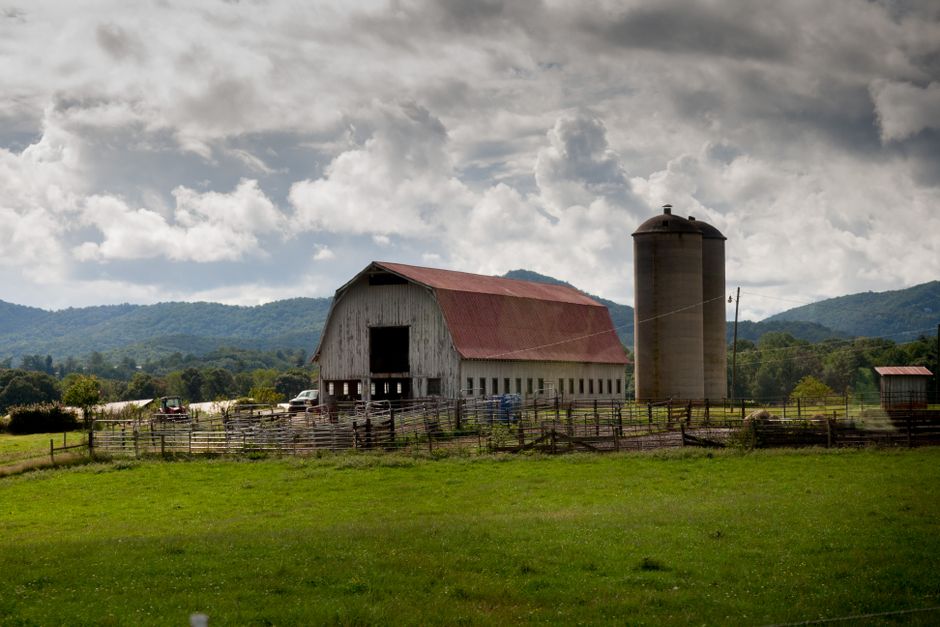
The rock formation itself is impressive—a 315-foot column that you can get to via elevator and a pretty good trail system. The park sits above a wide valley, and on a clear day you can see down into it for miles. It's commercial in the way state parks sometimes are, but it's genuinely well-run and worth the entrance fee.
Start early because parking fills up, especially on fair-weather weekends. The main elevator and trail to the rock itself takes about an hour. If you want more time and actual solitude, do the longer Hickory Ridge Trail on the back side of the park—fewer people, still gorgeous. Bring water. The elevation gain isn't brutal but it's steady. This works year-round. Fall is probably peak season for color, but spring is less crowded and the views are just as good. Summer is hot and busy. Winter is quieter and the leafless views can be striking.
Black Mountain and the Montreat Area (30 minutes)
Black Mountain is a small town that's just far enough from Asheville to feel separate but close enough to make an easy day trip. There's a Main Street that actually has character—local coffee, used bookstores, places where people aren't performing Asheville-ness. The real draw though is the Montreat area just outside of town, a residential valley community that sits against serious mountains.
Walk the Montreat Loop Trail (it's in the forest, well-marked, about three miles, almost no elevation gain) or tackle one of the steeper peaks like Craggy Gardens or Mitchell Ridge if you want more elevation. The whole region feels less trafficked than the standard Asheville radius. If you're there on a Saturday morning, grab breakfast at one of the local spots and actually sit down. Go anytime really. It's the least seasonal of these options.
Pisgah Forest and Davidson River (40 minutes)
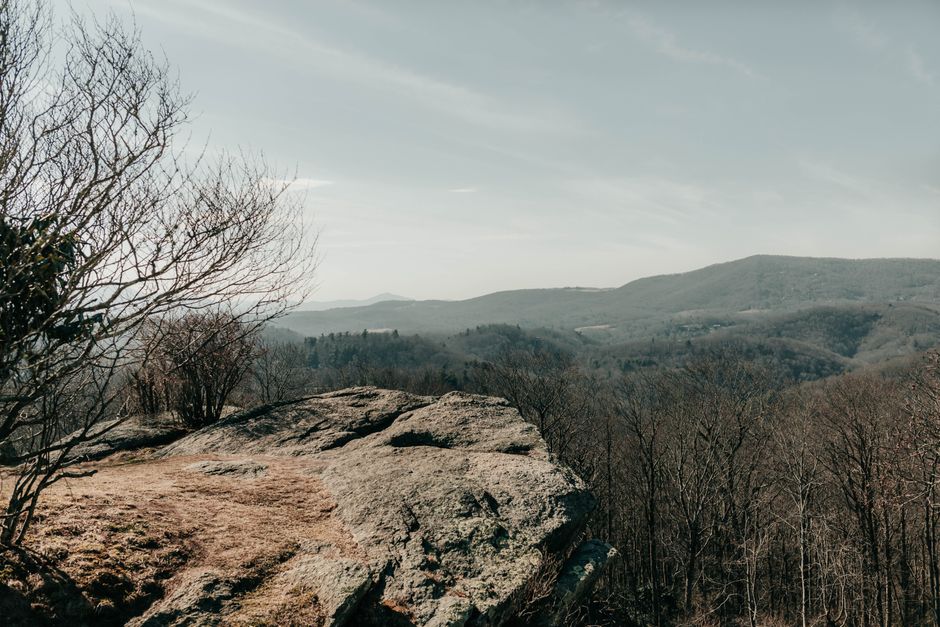
This one's less about a town and more about being in the actual woods for a day. The Davidson River is one of the cleanest, clearest rivers in North Carolina, and the forest around it is managed better than most of the landscape you see as you drive toward the Blue Ridge Parkway. The Pisgah Center for Wildlife Education is worth poking your head into—actual, free information about the region, not marketing.
There are several solid day hikes in the area. The Avery Creek Trail is less crowded than the waterfall walks but feels like you're actually going somewhere. You can also fish if that's your speed, or just sit by the river for an hour and let the sound of it do something to your nervous system. Fall is beautiful but gets crowded. Spring has good water levels. Summer is fine if you don't mind heat and people. Winter is quiet.
Fontana Lake (90 minutes to 2 hours)
This is the longest drive of the bunch, but it's different enough to justify it. Fontana is a reservoir that sits in the mountains, created by a dam in the 1940s. The drive takes you through some actual topography—you're not just heading up the parkway, you're driving through mountains in a way that makes you aware of them.
You can hike sections of the Appalachian Trail that border the lake, or drive around to various pull-offs and walk down to the water. It's quieter than most places around here because it's a little out of the way and it takes actual effort to get there. The best option is staying at one of the rustic cabins around the lake if you want to make it an overnight, but a day trip works too. Go in spring or fall. Summer is hot and crowded. Winter can have access issues depending on snow.
A Word About Expectations
All of these places will have other people on them, especially on weekends. That's just the reality of being near Asheville now. The difference is that none of these are the same 100-person traffic jam on a waterfall trail. You'll see people, but you'll also see forest and mountains and actual quiet.
Drive times can vary depending on traffic leaving Asheville and road conditions. Saturday mornings get congested heading out toward the parkway. Weekday mornings are smoother. Weather can change fast in the mountains—a clear morning can turn to rain by afternoon. Check conditions before you go, especially in winter.
Logistics Worth Knowing
Pack more water than you think you need. Bring a light jacket even if it's warm in Asheville. Snacks matter because once you're out there you don't want to drive back into town to eat. Gas stations are not abundant in these areas—fill up before you leave.
Parking fees exist at some of these places. Chimney Rock costs money. Most national forest areas are free. State parks vary. The time estimates I gave are from downtown Asheville, not from wherever you're staying. If you're on the west side of town, add fifteen minutes to everything. Download maps before you go—cell service is spotty once you're actually on trails.
Rent a car if you don't have one. You'll need it. Public transit doesn't really serve these areas. And honestly, being able to leave on your own timeline is worth whatever the rental costs.