I landed in Portland on a Thursday morning with a backpack and no particular plan, which is exactly the kind of decision that works here. The city's small enough that you can move between neighborhoods in twenty minutes, but large enough that each one feels like its own town. What surprised me most wasn't the rain or the craft beer scene—it was how honestly different these places are from each other. No neighborhood feels like a theme park version of Portland. They all feel lived in, which means you get to pick the version of Portland that matches what you actually want to do.
The trick to finding your spot isn't following Instagram or reading listicles about "hidden gems." It's understanding who each neighborhood was built for, who's moved in recently, and what you'll actually pay. I spent time in six neighborhoods over two weeks, and the differences matter more than the similarities.
Hawthorne: The Original Weird, Now Genuinely Expensive
Hawthorne sits south of downtown on a single strip that runs for miles, and it's the neighborhood everyone thinks of when they imagine Portland: thrift stores, vintage record shops, vintage everything, coffee roasters that take themselves seriously, bars with names like "The Rum Runner" where bartenders know what they're doing. The street itself is walkable and tight, which means you feel like you're part of something when you're just getting breakfast.
But here's the honest part: it's expensive now. Rents for one-bedrooms sit well above $1,200, and the neighborhood has pricing itself toward young professionals with steady income rather than the art-school crowd it used to attract. That said, if you can afford it, the actual day-to-day experience is solid. You can walk to everything. The restaurant scene is real—not trying to be trendy, just good. The bars close late. Solo travelers and couples without kids fit best here because you're paying for walkability and nightlife, not square footage or schools.
The residential blocks just east of the main strip (around Southeast 32nd and 33rd) are quieter and slightly cheaper, though not by much. If you work remotely or freelance and want an urban feel without being downtown, Hawthorne works.

Southeast Division: Newer Energy, Denser Development
Division Street runs parallel to Hawthorne, about a mile east, and it's what Hawthorne was becoming before the market got ahead of it. The neighborhood around Southeast Division between 26th and 35th has exploded in the last five years—new apartments, new restaurants, new bars that don't try to feel vintage. It's younger feeling than Hawthorne, which can mean either fresh or occasionally exhausting depending on your patience for crowds.
Division is better for people who actually want new construction, who like restaurants that change seasonally, who don't need the thrift-store aesthetic to feel authentic. Young professionals working at tech companies or in creative fields cluster here. It's also denser, so if you're car-free, the transit connection is slightly better than Hawthorne. Rents are comparable to Hawthorne—high—but you get modern amenities instead of vintage charm.
The downside is that it doesn't have Hawthorne's established identity yet. You're not inheriting decades of local history; you're part of a neighborhood still figuring out who it is. That appeals to some people and exhausts others. If you're visiting for a week, Division is worth a walk-through, but it won't tell you anything about what Portland used to be.
Sellwood: Families, Trees, Actual Quiet
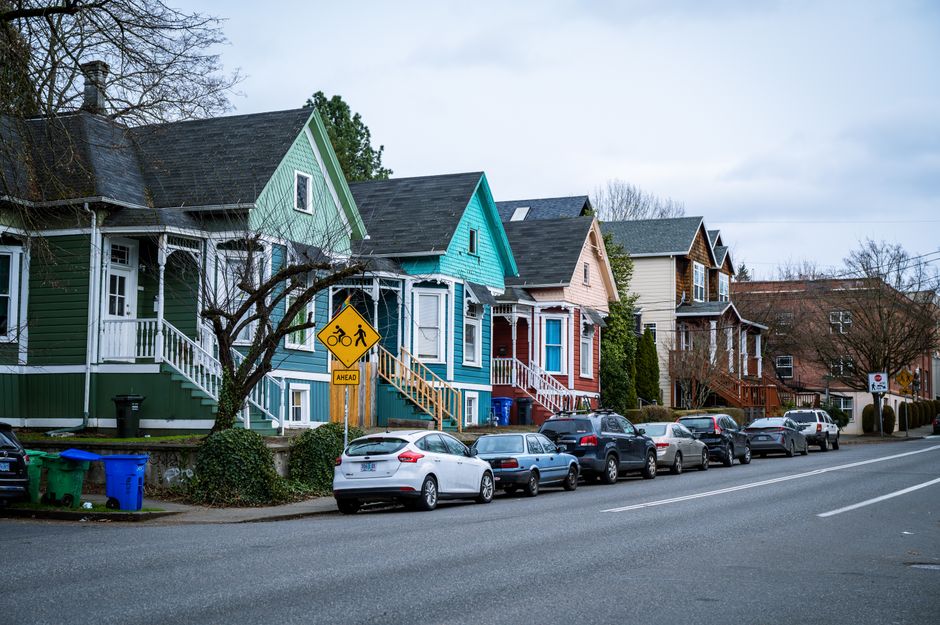
Sellwood is southeast, across the Hawthorne Bridge, and it's the first neighborhood where you actually see yards. Houses here have porches. There are oak trees older than most residents. The commercial strip on 13th Avenue has a small-town feel—a hardware store, a local bakery, a toy shop, a bookstore—in a way that feels preserved rather than reconstructed.
If you're thinking about moving to Portland with a family, Sellwood is the real answer. Schools are decent. There's actual playground space and parks. The neighborhood is predominantly families and established professionals, not rotating casts of roommates. It's also where you'll pay the least for space—a family might find a two-bedroom rental for what a studio costs in Hawthorne. The tradeoff is that you're 15 minutes from downtown and the nightlife is minimal. There are good restaurants, but the scene closes early.
For solo travelers, Sellwood is too quiet unless you specifically want quiet. It's the neighborhood you pick if you're tired of bars and walkable entertainment and you want to feel like you live somewhere stable. The fact that it hasn't been aggressively marketed as Portland's "next hot neighborhood" is actually why it still feels real.

Northeast Portland: Diverse, Climbing Costs, Still Worth Checking
Northeast Portland isn't one thing. Russell Avenue, Irvington, and the neighborhoods around MLK Boulevard each have different character, but they share a baseline: they're more diverse than Southeast Portland, with longer-established immigrant communities, African American families, and people who've actually lived here for decades rather than moved in three years ago. The housing stock is older—1920s bungalows mixed with newer multifamily buildings. The commercial districts feel like neighborhoods rather than scenes.
Costs are rising here too, which is pricing out some of the communities that built these neighborhoods in the first place. That's worth acknowledging. But if you're looking for Portland that's less self-conscious, less curated for photos, this is closer to it. The restaurants are genuinely good because they're feeding people who live there, not tourists hunting for authenticity. Families, particularly those with kids, do well here because it's still affordable-ish compared to Southeast and there's actual neighborhood infrastructure.
Transit is better here than it is in Southeast Portland. You can reliably get downtown without a car. It's a good neighborhood for someone who wants to live in Portland but isn't interested in being in the "Portland scene." Just be aware that this is a neighborhood in transition, which means not every block feels polished and some areas have real neglect. It's worth exploring before you commit, not assuming it's a fully developed neighborhood yet.
Pearl District: New Money, New Construction, Galleries and Glass
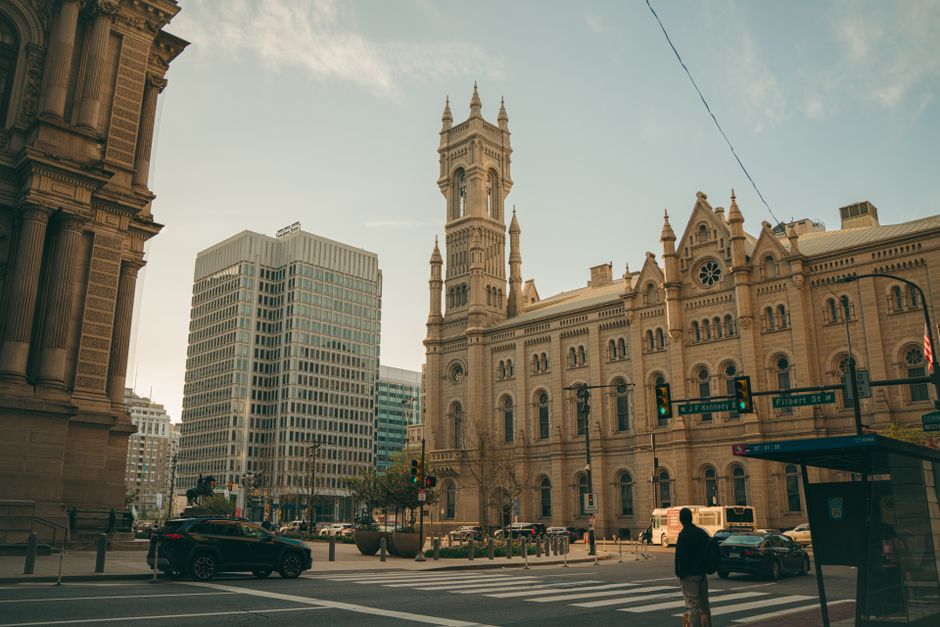
The Pearl District is northwest of downtown, across the Burnside Bridge, and it's not a neighborhood in the traditional sense—it's a development. Old warehouses were converted into apartments and galleries about twenty years ago, and now it's dense, expensive, and very controlled. The streets are clean. The parks are manicured. The restaurants are mostly chains or high-end independents. There's no creeping disorder.
If you're visiting Portland for 48 hours and you want to stay somewhere walkable with restaurants and galleries nearby, Pearl works fine. If you're moving here, understand what you're actually getting: you're paying premium rent for proximity to downtown and a specific aesthetic. It's not the weird Portland. It's Portland for people who like Portland's brand but want it to feel safe and developed. Young professionals without kids fit here. Families with young kids fit here. People who want to walk to everything and don't need character fit here.
The neighborhood is fine. It's just expensive and it doesn't have the sense of place that actual neighborhoods develop over decades. Most residents treat it as a convenient base rather than a community. That's not a moral failing—it's just what it is.
Nob Hill: Established, Hilly, Money Without Trying
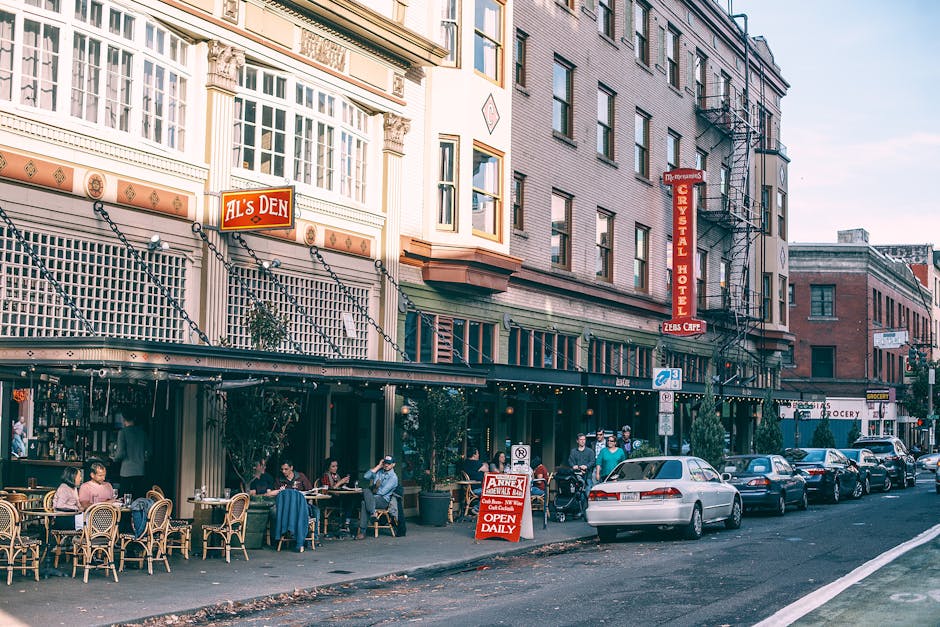
Nob Hill sits in Northwest Portland, higher up the hill than Pearl, and it's the neighborhood where older money and established Portland lives. The houses are Victorian and Craftsman, set back from tree-lined streets. The commercial strip on Northwest 23rd Avenue has bookstores, restaurants, and shops that have been there long enough to know what they're doing. It's not trendy because it doesn't need to be.
Rents here are high—not Hawthorne high, but not cheap—but you're getting actual neighborhood stability and quality. Families with kids do well here because there are real schools and parks and a sense that people stay put. The neighborhood has an older demographic than Southeast Portland, which means it's quieter and bars close earlier. If you want walkability without the scene, Nob Hill delivers.
The hills are steep, so it's less friendly for people without cars than flatter neighborhoods. Traffic can be congested on the main streets. But if you want Portland to feel like a stable, established place rather than a transient city, Nob Hill is closer to that than almost anywhere else. It's the neighborhood people move to when they're done experimenting.
Practical Money Talk
Rent in Portland is climbing in a way it wasn't five years ago. Studio and one-bedroom apartments in walkable neighborhoods start around $1,100 and go up from there. Southeast neighborhoods (Hawthorne, Division, Belmont area) are the most expensive for what you get. Northeast and outer Southeast (Sellwood) are cheaper but less immediately walkable. Pearl is expensive by design. Nob Hill is expensive and accepts that.
If you're visiting for a week, pick based on what you want to do, not based on reputation. If you're moving here, spend a few days actually living in the neighborhood before you commit to a lease. Walk the streets at night. Check public transit times to wherever you'll work. Talk to people in coffee shops. Neighborhoods change block by block, and a great street can be next to one that feels neglected.
Also: Portland is an older city with older infrastructure. Even nice neighborhoods have blocks with potholes, power lines, parking hassles, and neighborhood characters who've been there thirty years. That's not a flaw. That's what a real city is.
Frequently Asked Questions
what is the safest neighborhood in Portland Oregon
Sellwood and Nob Hill are considered safest with established families and lower crime rates. Southeast neighborhoods like Hawthorne and Division are safe in their main commercial strips but have more variation block-to-block. Northeast Portland has some excellent blocks and some neglected areas. Overall, Portland is safer than many major cities but has real property crime, particularly car theft and bike theft. Avoid obvious precautions with valuables and you'll be fine.
best neighborhood in Portland for young professionals
Hawthorne and Southeast Division are most popular for young professionals due to walkability, restaurants, and bars. Northeast Portland works if you want lower rent and are okay with less immediate nightlife. Nob Hill fits if you prefer quiet and have established income. Pearl District works if you want everything in one walkable, developed area but are willing to pay premium rent.
where do families with kids live in Portland
Sellwood is the top choice for families—affordable, good schools, parks, and actual quiet. Nob Hill offers stability and established neighborhood feel. Northeast Portland works if you want more diversity and lower rent. Avoid Hawthorne and Division if you're prioritizing family space and quiet—they're designed for younger, single professionals or couples without kids.
Which neighborhood catches your eye?