
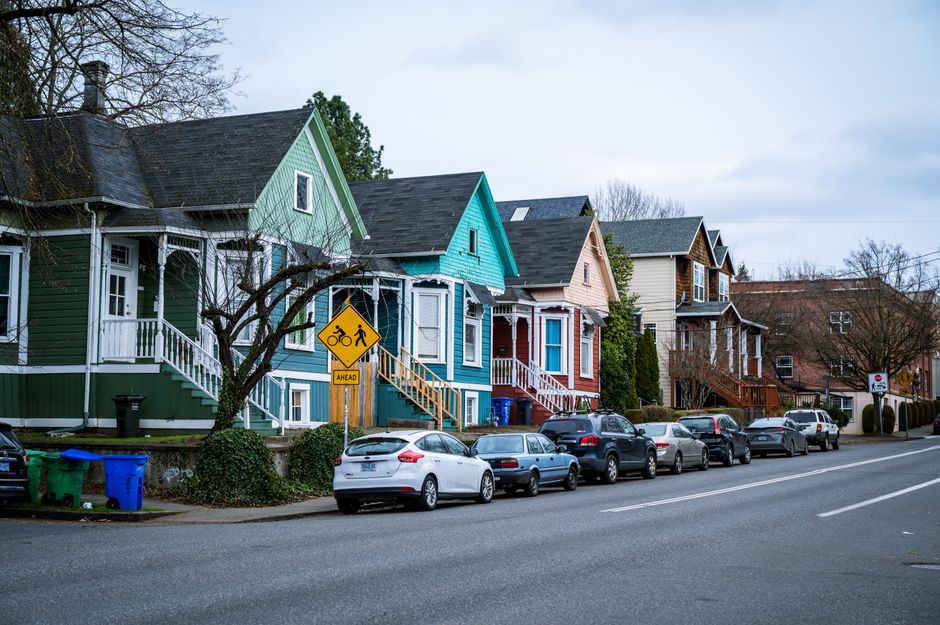
I pulled into Portland on a gray Tuesday in October with a rental car and a spreadsheet of neighborhoods. I wasn't shopping for a condo or scouting a weekend getaway. I was looking for the kind of place where a family could actually live—somewhere with good schools nearby, a park where kids don't have to be watched like hawks, and enough community that you'd recognize faces at the grocery store. After weeks of wandering these neighborhoods, talking to people who'd actually moved here and stayed, I learned that Portland's vibe varies wildly block by block.
The city's reputation—quirky, walkable, coffee-obsessed—is real, but it doesn't apply equally everywhere. Some neighborhoods are genuinely family-friendly. Others work better for young professionals willing to navigate noise and transience. A few have priced out most households entirely. This isn't a listicle of "cool things to do." It's where families actually raise kids, and what that trade-off actually costs.
Laurelhurst: Established, Tree-Heavy, Predictable
Laurelhurst sits just east of downtown, and it feels like a different city entirely. Wide streets lined with oaks and maples, bungalows from the 1920s and 1930s mostly owner-occupied, and the kind of sidewalk where neighbors know each other's dogs' names. Reed College anchors the southern part of the neighborhood, which keeps it grounded and slightly bohemian without being chaotic.
This is where families with school-age kids actually move if they can manage the down payment. Laurelhurst Elementary sits right in the neighborhood. Plenty of local parks—Laurelhurst Park itself has a pond, open fields, and enough space that parents don't feel crowded. The streets are genuinely walkable to shops and coffee places on SE Hawthorne, though you'll likely want a car for suburban errands. Housing prices are high but not Pearl District absurd—expect $700k to $900k for a three-bedroom house right now, though prices shift. Renters find units in this neighborhood harder to come by; landlords tend to hold onto properties long-term.
The catch: it's not hip or edgy. It's suburban-adjacent, which means no late-night scene, fewer restaurants opening in 2024, and a certain type of quiet that either feels like home or feels boring. That's partly why it works for families.

Woodstock: South Southeast, Quieter Still
Woodstock is further south and east than most newcomers look initially, which is exactly why it hasn't been swallowed by Portland's rapid changes. Tree-lined streets, small independent shops, and a genuine community bulletin board at the local coffee place where people actually post handwritten notices about lost cats and tool-sharing groups. That's not an exaggeration or nostalgia talking—I've seen it.
Families with kids choose Woodstock partly because of Woodstock Elementary and Jade District nearby, partly because the neighborhood has actual playgrounds and a community center that offers real programming at reasonable cost. Housing is more affordable than Laurelhurst—think $550k to $750k for a house—and rental inventory is better because the neighborhood attracts long-term renters who want space without the Pearl District price tag. The neighborhood has improved schools relative to some other Portland areas, though school quality varies by specific building and current staff turnover, so you'll want to check current ratings rather than relying on year-old reputation.
Trade-offs: you're farther from downtown and restaurants. The neighborhood doesn't have the walkable commercial strip that Hawthorne or Division have. You'll want a car for most weekday life. But for families prioritizing safety, yard space, and actual quiet? It works.
Montavilla: Emerging, Mixed Families and Young Couples
Montavilla sits northeast, less polished than Laurelhurst but cheaper and less developed, which means more change is coming. Young families and couples are moving here specifically because it hasn't peaked yet. New small restaurants and coffee places are opening, though not at the rate they were in Division three years ago. The neighborhood has a genuinely mixed feel—long-time residents, young families buying their first homes, renters, and people who moved here five years ago betting on the neighborhood's trajectory.
Schools include Montavilla Elementary, and local parks are decent though less manicured than Laurelhurst Park. You'll find houses in the $500k to $700k range, and more rental availability. The neighborhood is walking distance to shops and cafes without being so densely developed that street noise is a constant factor. Southeast Stark Street runs through it with enough local character that you can walk to coffee without driving.
The reason families are choosing Montavilla now is simple: you get some of the walkability Portland is known for, space, reasonable schools, and lower prices than neighborhoods that are already "established." That calculation could change if the neighborhood gentrifies in the next five years—which it might. But right now, it's where families stretching a budget actually land.

Beaumont-Wilshire: Affluent, Well-Maintained, Insulated
Beaumont-Wilshire is northwest and has been affluent for decades in a quiet, beneath-the-radar way. Large homes, private estates, tree canopy, and the kind of neighborhood where public conversation is polite and limited. This is where established money and retired professionals live. It's safe, stable, beautiful, and often feels removed from the rest of Portland's energy—which is either a benefit or a drawback depending on what you want from a neighborhood.
Families with resources move here for Lincoln High School, which has a strong academic reputation and well-funded programs. Parks are small and manicured rather than wild. The neighborhood doesn't have walkable retail or restaurant strips; nearly everything requires a car, including grocery shopping. You're paying for quiet, schools, and a certain type of stability. Housing runs $900k to $1.5 million for quality homes. Rentals are rare because people who can afford to live here typically own.
Take it seriously only if you have school-aged kids and can absorb the cost. The neighborhood is safe and the schools deliver, but you're paying for a particular Portland that's quite different from the city's public identity. It's insulated by design.
Northeast Division: Young Families, Walkable Chaos
Northeast Division has been Portland's hottest neighborhood for young professionals and families with young kids who want walkability and restaurants. The vibe is chaotic in the best and worst ways—it's where you'll see strollers, brewpubs, plant shops, and people working on laptops at cafes. Streets are genuinely walkable to restaurants, shops, and some parks. It's Instagram-friendly and community-minded in a visible, sometimes performative way.
Families moving here tend to be younger, more urban-oriented, often without school-age kids yet or willing to navigate Portland public schools rather than being drawn by a specific school's reputation. Housing is expensive—expect $700k to $950k for a small house, or $1,500 to $2,000 monthly rent for a decent two-bedroom apartment. The neighborhood is dense, so yards are small and street noise is constant. Rose City Park Elementary serves the area, though not all Division residences feed into it. Some families choose Division because they're not focused on yards and quiet—they want walkable city life with community texture.
The honest assessment: Division works great if you have young kids who don't need yards yet, you can afford the rent or purchase price, and you like city noise. It's less ideal if you're planning for school-age kids, want green space, or prefer your neighborhoods quieter. The restaurant and retail scene is genuinely good, but you're paying a premium for that.
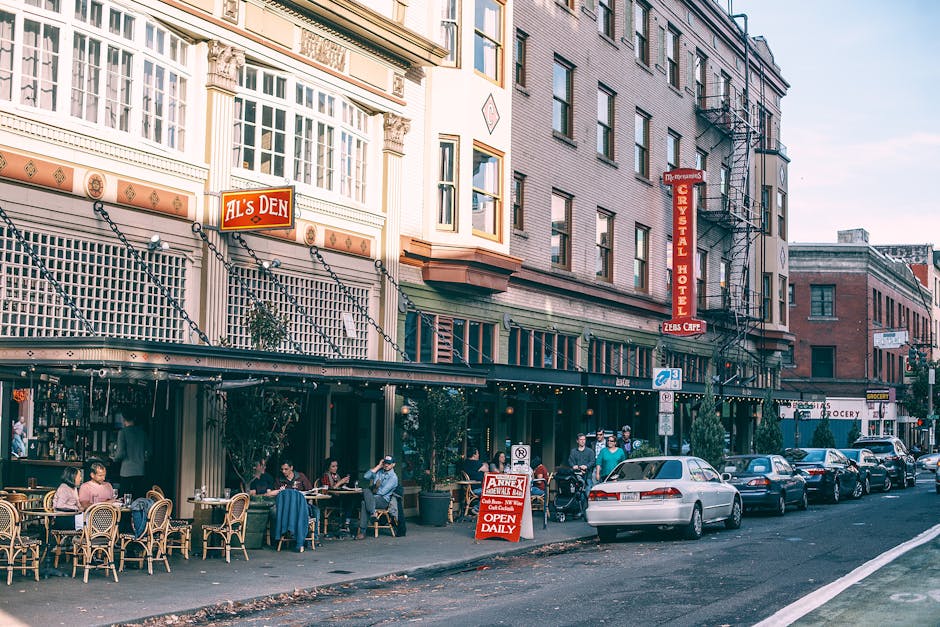
Hawthorne: Established Walkability, Expensive Rent
Hawthorne has been Portland's main character neighborhood for so long that it's become almost a cliché. Southeast Hawthorne Street has bookstores, vintage shops, coffee places, and restaurants that have been there for 15 years or longer, mixed with newer places targeting the same crowd. The neighborhood is walkable to a fault—you can find nearly everything on foot, which is genuinely appealing if you don't drive much.
Families moving here are typically younger, childless or with very young kids, renting rather than buying. The neighborhood works better as a first-Portland-home for couples or solo young professionals than as a family-raising spot. Schools in the immediate Hawthorne area are mixed—you're not moving here for a particular school. Housing is expensive; rents run $1,600 to $2,200 for a two-bedroom apartment. Buying a house is $800k and up. The neighborhood is dense and street noise is real—you're living above shops, next to bars, on a transit corridor.
It's not that Hawthorne isn't family-friendly in absolute terms. The walkability is genuinely useful. But most families who think they want Hawthorne end up in quieter neighborhoods once they actually live with noise and lack of yard space. It's better positioned for the young-professional-or-couple crowd that actually thrives on that energy.
Why School Ratings Matter Less Than You'd Think
Everyone asks about school rankings when choosing a Portland neighborhood. The state's school rating system is useful but incomplete. Schools in lower-income neighborhoods sometimes have strong individual programs but lower overall ratings due to standardized test disparities. Schools in affluent neighborhoods benefit from parent volunteer capacity and donor funding that inflates test scores. Neither tells you whether your kid will actually thrive or what the teacher-to-student ratio is in third grade specifically.
If schools are your primary driver, tour them. Talk to current parents. Ask about special education services, music and art programs, and what the actual discipline policy is, not just what's posted online. Some Portland families choose neighborhoods partly based on walkable routes to school—that matters more than you'd think. A school you can walk your kid to is different from one requiring a car drop-off.
That said, if you're committing to Portland's public school system, schools in Laurelhurst, Montavilla, and parts of northeast Portland generally deliver. Beaumont-Wilshire's Lincoln High School is legitimately strong. But neighborhood choice should balance schools, cost, walkability, and what kind of daily life you actually want. Schools aren't the only factor.
The Honest Money Part
Portland housing costs have risen sharply but are still lower than Seattle, San Francisco, or Los Angeles. That doesn't mean affordable. A family budget usually splits like this: established neighborhoods (Laurelhurst, Beaumont-Wilshire) run $700k to $1.5 million to buy, or $1,500 to $2,000+ monthly rent. Emerging neighborhoods (Montavilla, Woodstock) run $500k to $750k or $1,200 to $1,600 monthly rent. The walkable young-professional neighborhoods (Division, Hawthorne) run $750k to $1 million plus, or $1,600 to $2,200 monthly rent.
Rent or buy depends on how long you're staying and what Portland's market does next—impossible to predict. But the neighborhoods listed above are where families actually stay long-term, which means they're weathering the market and community changes. That's worth something.
Frequently Asked Questions
What is the best neighborhood in Portland for families with school-age kids?
Laurelhurst and Beaumont-Wilshire are the most family-focused, with strong schools, parks, and quiet streets. Laurelhurst is more affordable and mixed economically. Beaumont-Wilshire is more affluent and insulated. Montavilla offers a middle ground—walkability, emerging character, and lower costs. The choice depends on your budget and whether you want community density or quiet space.
Is Portland safe for families?
Specific neighborhoods vary significantly. Laurelhurst, Woodstock, Montavilla, and Beaumont-Wilshire are genuinely safe with low crime. Downtown and parts of Old Town have higher street crime and homelessness visibility. Northeast Division is safe but dense and can feel chaotic. Check current crime maps by neighborhood rather than assuming Portland as a whole—the variation is real.
What Portland neighborhood is best for families on a budget?
Woodstock and Montavilla offer the best balance of affordability, safety, and schools for families without a large down payment. Expect $500k to $750k for houses or $1,200 to $1,600 monthly rent. They're further from downtown and less trendy, which is why they're cheaper. Both have improving schools and genuine community without the premium price tag of established neighborhoods.
Can you raise a family in Northeast Division Portland?
Yes, but it works best for younger families with small children who want walkable urban life, not yards. Rent and housing costs are high ($700k to $950k to buy, $1,500 to $2,000 to rent). Street noise is real. It's better for young professionals or couples than for families planning 10+ years with school-age kids and yard needs.
Which neighborhood catches your eye?



