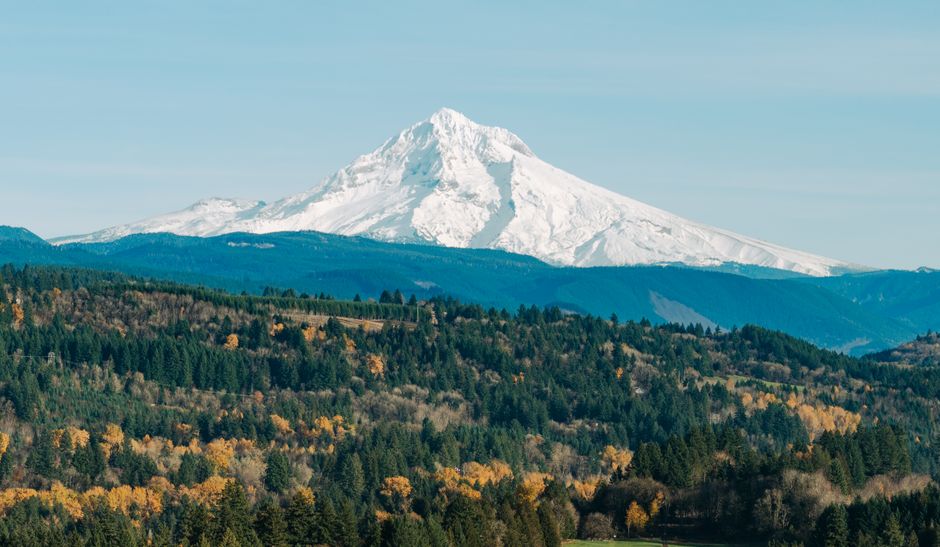
I've made the drive out of Portland enough times to know which trips are worth the gas money and which ones leave you sitting in traffic wishing you'd stayed home. The city's got plenty to offer—coffee, bookstores, weird murals, all that—but sometimes you need to get out. The good news is you don't have to drive far. Within an hour or ninety minutes, you can hit the Oregon coast, climb into the Cascades, or find yourself in a small town that feels like you've stepped back in time.
What follows isn't some generic roundup of every tourist spot within a two-hour radius. These are places I've actually spent time, places worth the planning. Each one has a different rhythm, a different season when it shines. Some are better in summer. Others come alive in fall or spring.
Cannon Beach: The Coast Run (90 minutes)
You know Cannon Beach is crowded. Everyone knows this. The problem is that it's crowded for good reason—it's legitimately beautiful, and it's the easiest beach escape from the city. Drive west on Highway 26 and you'll be standing in front of Haystack Rock in under two hours.
Go for the walk at low tide, when the beach opens up and you can actually move around without dodging families. The town itself is small enough that you'll walk the main strip in fifteen minutes, but that's where the better restaurants and galleries live. There's a decent taco place, a bookstore, a coffee shop that's not trying too hard. Hug Point State Park, a few miles south, is where people with actual taste go—fewer crowds, more interesting rock formations.
Best time: May or September. Summer is wall-to-wall visitors and you'll spend more time looking for parking than actually enjoying yourself. Winter's gray and moody, which some people love, but it's also genuinely cold and the wind is mean. Spring and early fall hit the sweet spot—the water's still too cold to swim, but that was never the point anyway.
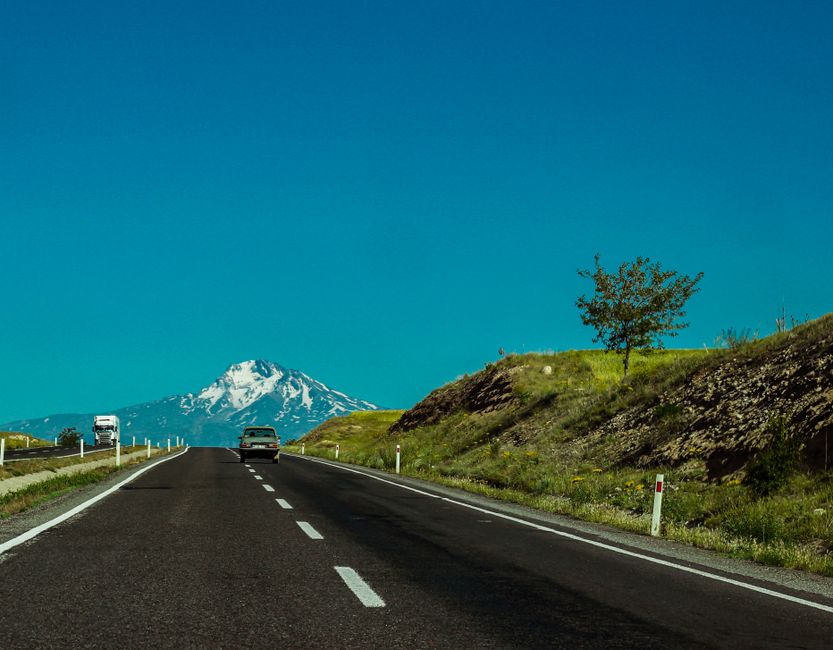
Mount Hood Loop: High Elevation, High Reward (1.5 hours)
There's a reason people drive out here in every season—it never really disappoints, though it changes completely depending on when you go. The loop itself takes you around the mountain on Highway 26 and 35, passing through dense forest, alpine meadows, and a string of small towns that range from charming to frankly depressing, depending on your mood.
Stop at Lost Lake on the south side. It's a genuine reservoir with a clear reflection of the mountain on a good day, surrounded by old-growth fir. There's a lodge, a boat rental, a trail that circles the whole thing. Timberline Lodge sits right on the mountain's shoulders if you've got money to burn and want to hike from there. On the east side, the landscape gets drier and stranger—ponderosa pines instead of Douglas fir, a different quality of light.
Summer is obvious: everything's open, the mountain's visible, trails are clear. But honestly, late September through early October is better. The crowds thin out immediately after Labor Day, the light gets that golden autumn quality, and the fall colors in the lower elevations are sudden and dramatic. Winter? Only if you're serious about snow. The passes can close, roads get icy, and you'll be one of a hundred people doing exactly what you're doing.
Silver Falls State Park: Ten Waterfalls, One Loop (1 hour)
This is one of those places that every guide book mentions and somehow it still doesn't feel overrun, at least not on weekdays. The South Falls Trail is the famous one—a 7-mile loop that takes you behind a waterfall, which sounds more novelty than it is. The water creates a kind of misty tunnel and you realize why people drove out here in the first place.
The park has ten waterfalls if you commit to multiple trails. North Falls is smaller and farther along, and it gets progressively quieter the more you walk. On a clear day the whole canyon smells like mineral water and cedar. Bring a light rain jacket regardless of the forecast—you will get wet walking behind the falls, and the mist adds another layer of dampness.
Best in spring (water volume) and fall (crowds are lower, light is better). Summer works fine if you go early—start at sunrise—but the parking lot fills by 10 a.m. Winter trails are slippery and some sections can close, though if it hasn't snowed recently it's totally fine.
Hood River: Wine, Wind, and Orchards (1 hour)
Hood River is schizophrenic in the best way. On one side you've got the windsurfing crowd, the technical gear shops, the younger people who moved here because it's outdoor-adjacent and cheaper than Portland. On the other side there's agriculture—orchards, a real small-town main street with local restaurants and a farmers market that actually feels alive.
Drive through the fruit loop if you've got time—it's a scenic tour through pear and cherry orchards, some of which sell directly off the property. Eat lunch at one of the restaurants on Oak Street that sources local. If you're into wine, the Columbia River Gorge has a serious reputation these days; several tasting rooms operate in town and the surrounding area. The real appeal, though, is walking around and not feeling like you're in a tourist trap. It's still small enough that it doesn't feel entirely colonized.
Spring is best—the orchards are flowering and everything looks alive. Summer is fine but hot, and fall is gorgeous until it rains for three months straight. Winter's gray.
Ecola State Park and Oswald West: Hidden Coast (1.5 hours)
Everyone goes to Cannon Beach. The people who know what they're doing go to Ecola State Park, which sits just north of it and feels genuinely removed despite being minutes away. The headlands hike is steep but manageable—you climb up through coastal forest and emerge onto bluffs with views that stretch north for miles. On a clear day you can see the curvature of the coastline.
Oswald West State Park, further down the coast near Manzanita, is even more removed. The main trail to the beach is short—less than a mile—but it descends steeply through old-growth Sitka spruce. You emerge onto a massive empty beach with sea stacks and tide pools. Bring a tide table if you want to explore; low tide exposes a different beach entirely. There's no cell service out here. It's deliberately difficult to access, which means you're unlikely to run into crowds.
Go in spring through early fall. Winter gets genuinely windy and the rain comes sideways. The isolation that makes these places special in good weather becomes less charming when you're wet and it's already dark at 4:30 p.m.
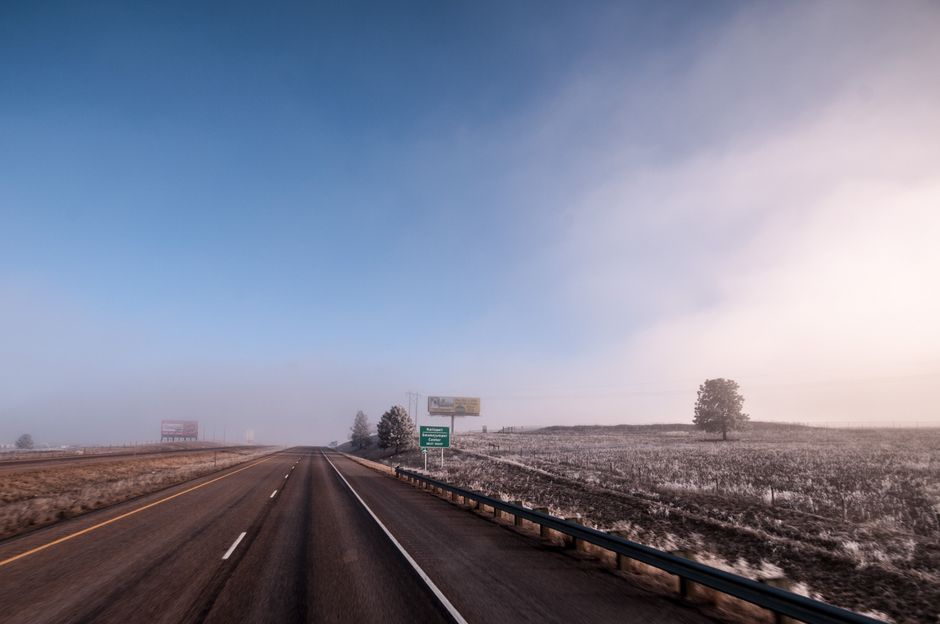
Detroit, OR: Small Town in the Snow (1.5 hours)
This is the weird recommendation. Detroit is a timber town in the Cascade foothills that's been slowly hollowing out for forty years. It's got a population you could count on two hands and it feels authentic in a way that costs money in other places. There's a diner, a tavern, a few old buildings worth photographing. Breitenbush Hot Springs operates just outside town—a New Age retreat center with hot pools that you can actually visit if you eat in their cafe.
The reason to go is Opal Creek Scenic Recreation Area, which has some of the best old-growth forest left in Oregon and a clear, cold creek that's actually swimmable in summer. There's no cell service. The roads are narrow. On weekends you might see five other people. It's not a "destination" in any conventional sense—you're not getting Instagram photos or craft cocktails. What you're getting is actual wilderness and the sense that you've stumbled onto somewhere real.
Best in summer when the creek is manageable and the road conditions are reliable. Winter can bring snow and the roads get sketchy. Spring is fine but muddy. Fall is perfect if you can stand the shorter days.
Practical Things Before You Go
Check the weather and road conditions before you leave. Oregon coast towns can flood. Mountain passes can close. If you're heading east of Portland, the weather can be dramatically different than what you left. Bring layers and water regardless of season.
Start early. Parking fills, especially on weekends and especially at popular trailheads. If you leave Portland at 7 a.m., you'll have the place mostly to yourself. Leave at 10 a.m. and you're competing with everyone else who had the same idea.
Plan an actual drive route, not just a destination. Half the point of a day trip is the drive itself—the towns you pass through, the way the landscape changes. Don't just zoom to the spot and zoom back. You spent the gas money. Take the scenic route home.