I rolled into Sacramento on a Thursday afternoon expecting the usual state-capital vibe: some government buildings, a riverfront, maybe a decent meal. What I found was a city that's trying harder than most to shake off its boring reputation, but also one where the main attractions have become a bit of a treadmill.
After three weeks of wandering its neighborhoods, eating at places locals actually recommend, and having real conversations with people who've lived here for years, I've got some thoughts on where Sacramento shines and where it's coasting on reputation. Some of the "must-see" stuff? Skip it. But there are pockets of this place that genuinely reward curiosity.
The California State Capitol Building & Museum
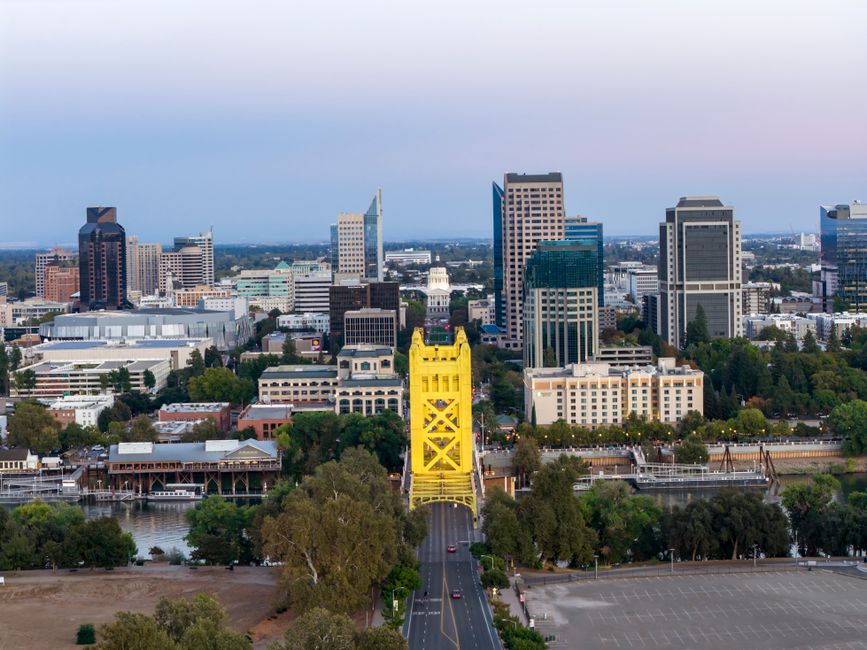
Look, I get it. It's an architectural landmark, the dome is impressive from a distance, and the free guided tours are well-organized. But spending two hours inside mostly feels like a high school civics field trip. The docents know their stuff, sure, but you're walking through halls of furniture catalogs and portraits of politicians nobody cares about anymore.
If you're really into Capitol architecture, fine—go. But if you have a limited time in Sacramento, you're not missing anything by skipping it. The grounds outside are nicer than the building itself, and honestly, you can get the gist of it by walking around the exterior for fifteen minutes.
The Sacramento Zoo
The zoo gets consistently mentioned in "things to do" lists, and sure, it exists and has animals. But it's not a standout zoo. It's medium-sized, the exhibits aren't particularly innovative, and on a warm day it's just crowded and hot. There are better zoos in California if that's what you're after.
Old Sacramento's Tourist Strip
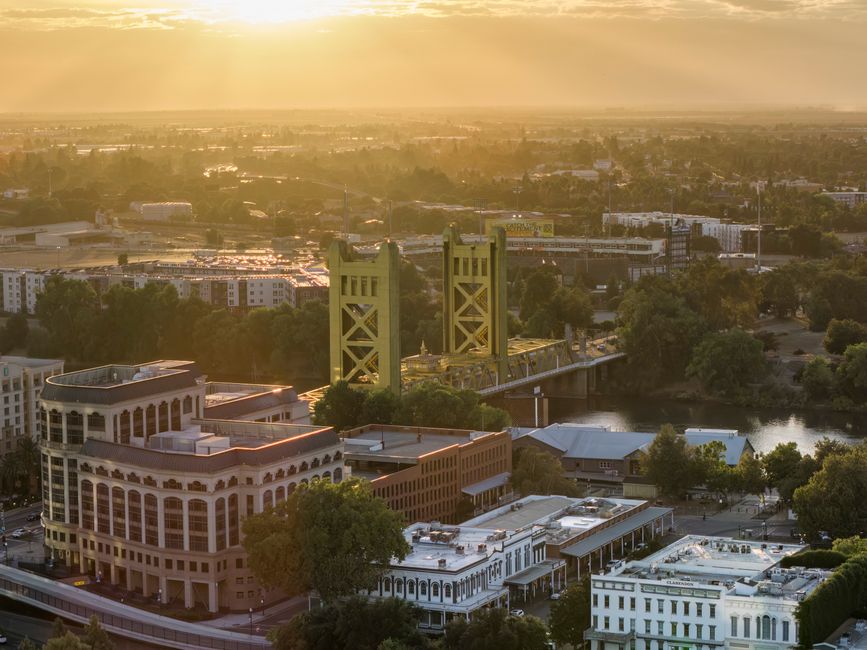
Old Sacramento looks good in photos. Wooden storefronts, the riverfront, vintage vibes. The problem is it's been designed almost entirely for tourists and tour groups. The restaurants are mediocre and overpriced, the gift shops are generic, and it feels polished in a way that killed whatever character it once had. You'll see it clogged with visitors taking selfies, and the whole thing has the energy of a movie set rather than an actual neighborhood.
The Underground Tour
Sacramento's famous for its sunken old streets—remnants from the time the city raised its grade after floods. The underground tours are charming in concept, but the execution is thin. You're mostly walking through basement-level passages beneath Old Sacramento that have been cleaned up and stripped of real history. It's twenty minutes of "this used to be a saloon" with not much else going on. A lot of tour companies oversell the mystery angle.
The Crocker Art Museum (Actually Worth Your Time)
This is where I'd redirect that Capitol Building energy. The Crocker has genuine depth—a real collection with everything from 19th-century painting to contemporary work, plus rotating exhibitions that actually feel curated rather than obligatory. The building itself is beautiful, and you can spend two hours here and feel like you learned something. The contemporary wing isn't trying to be trendy; it's just solid.
It's popular with locals and art people, but not swarmed with tour groups. That matters.

The Folsom Powerhouse State Historic Site
Thirty minutes northeast of downtown, this place barely shows up in visitor guides. It's the remains of California's first hydroelectric power plant from 1895, and if you care at all about infrastructure history or industrial archaeology, it's legitimately fascinating. The building is massive and deteriorating in an interesting way, the grounds are quiet, and you can spend an hour just walking around thinking about how this thing powered the state.
The volunteer docents are also actual enthusiasts, not people reading from a script. They'll talk your ear off if you let them. Free entry, minimal crowds, and it says something real about what Sacramento's region actually is—not a tourist destination, but a place that built things.
The Midtown and Land Park Neighborhoods
This is where Sacramento actually lives. Midtown has independent restaurants, small bars, weird little shops, and the kind of streetscape that feels like people chose to be here rather than being herded through. Walk along J Street or 20th Street and you'll find Pushkin (excellent Russian), Block Hop (real dive bar), and random galleries that don't advertise themselves.
Land Park, south of downtown, is where families live, but it's also where you'll find proper neighborhood joints—local coffee, actual butcher shops, the kind of place where the bartender knows regular people. There's also Fairytale Town, which is aggressively unsexy on the surface (a small storybook-themed kids' park), but if you go on a quiet morning without kids around, it's oddly peaceful and weird in a good way.
Tahoe Park and the Surrounding Wetlands
Take a bike or walk out to the American River Bike Trail that runs through Tahoe Park, about twenty minutes from downtown. It's genuinely pretty—oaks, river views, actual nature—and you'll see locals, not tourists. People are running, walking dogs, fishing. It's where Sacramento residents actually spend weekends.
The park itself is low-key, there's a small community pool and recreation center, and the whole area has this peaceful, unglamorous quality that's refreshing. No one's taking Instagram photos here. It's just a real place where a city meets its river.