
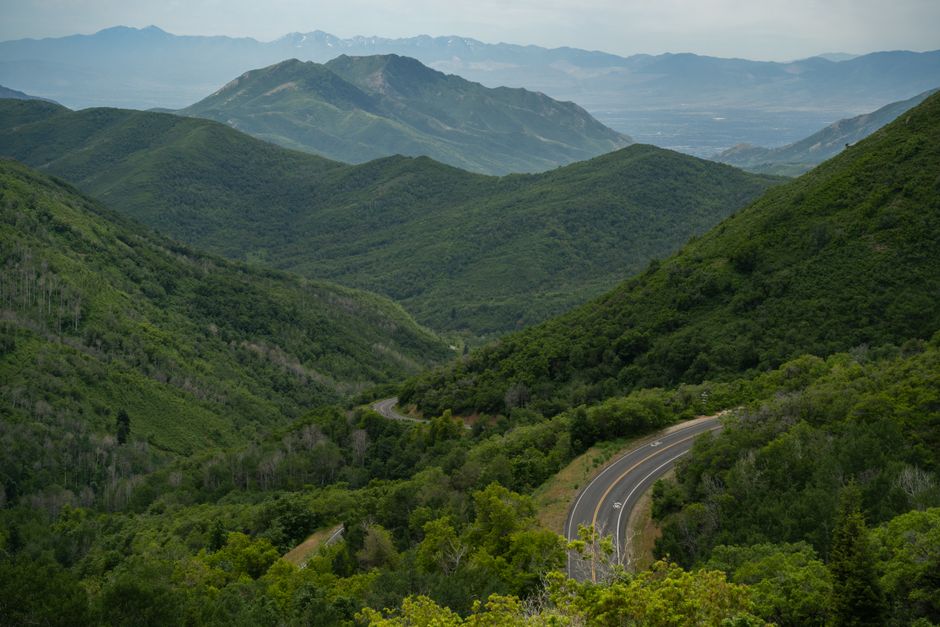
I landed in Salt Lake City on a clear morning in September and realized pretty quickly that the city itself wasn't the real draw—it was the landscape that started the moment you drove out of it. Within an hour or so in any direction, you're trading downtown breweries and temple views for canyons, high desert, and genuinely excellent hiking. I spent a week doing what felt like a lot of visitors do: use Salt Lake as a base and radiate outward.
The city sits in a strange pocket of geography where you can hit five completely different environments before lunch. Some are obvious—Park City, for instance. Others take a little more planning. Here's what I actually did, and what worked.
Antelope Island State Park (40 minutes north)
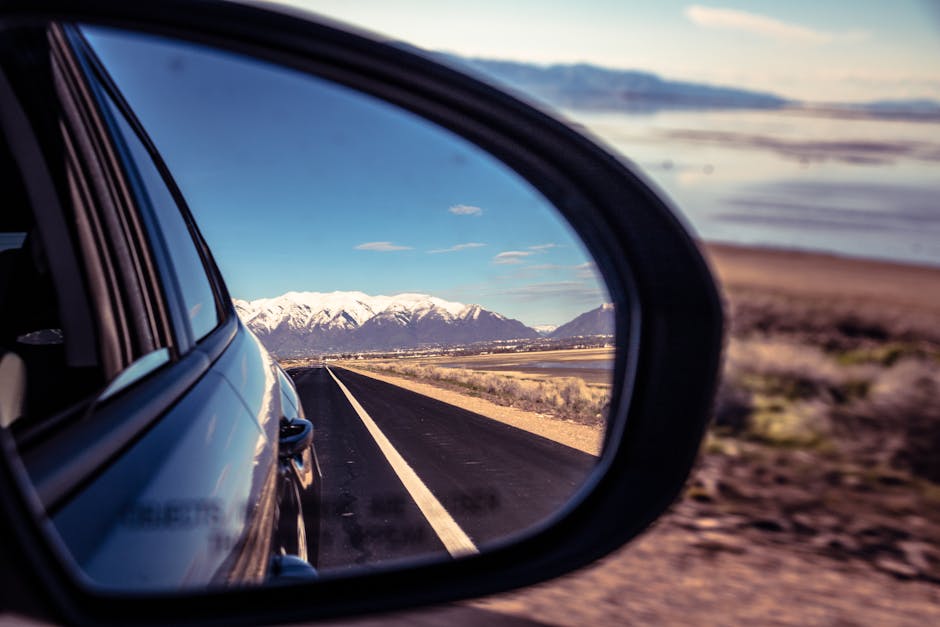
Take I-15 north from downtown, peel off toward Farmington, and you end up on a causeway that feels like it was plopped there by accident. Antelope Island isn't crowded in the way you'd expect a state park 40 minutes from a major city to be crowded. The Great Salt Lake stretches out weird and pale around you, and the island itself has actual bison. Real ones, shaggy and oddly placid.
I went in late September when the summer heat had backed off. The Fielding Garr Ranch, built in 1848, anchors the island's human history—a strange little structure with outbuildings that feel more authentic than reconstructed. But honestly, the point is the drive, the light, the salt-lake smell, and the fact that you can hike a few miles with almost no company. Antelope Island offers several trail options ranging from short strolls to serious all-day hikes that climb the central ridge.
Best season: Spring or fall. Summer is hot and the lake smells stronger. Winter can be icy. Go in April or October and you'll have decent weather and significantly fewer people.
Park City and the Uinta Mountains (45 minutes to 90 minutes)
I saved this one until a weekday because Park City itself has a reputation—and that reputation is mostly deserved. It's a ski town that's become a second-home town that's become a festival town. Olympic legacy everywhere, outlet malls, restaurants that cost more than they should. But if you drive 20 minutes beyond the town toward the Uinta Mountains, or hit some of the Nordic trails near town, the actual point of living at this elevation becomes clear.
Mirror Lake, accessible via a scenic drive or a hike depending on your patience level, sits about 90 minutes from Salt Lake proper. The water reflects the surrounding ridge country in ways that make you understand why people bought real estate up here. The Mirror Lake Scenic Byway is worth the drive for the views alone, and there are numerous pulloffs and short walks if you're not into anything technical.
The town itself—Park City proper—has a fine Main Street if you want coffee and a walk around. The Olympic venue park is free and worth a look if you're interested in that particular history. But the real value is getting into the mountains themselves. The area has excellent trail access, alpine meadows, and escape from the urban noise. Best time: July through September. The road to Mirror Lake can be snowy into June, and the first serious snow of fall comes early up there.
Goblin Valley State Park (90 minutes southeast)
This one requires a little more commitment, but it's so different from everything else on this list that it's worth the drive. You head down I-70 toward Green River, then peel off on Route 24 into a landscape that doesn't feel like Utah—it feels like another planet. Goblin Valley is a smallish state park full of hoodoos and badlands formations that are best experienced in the quiet hours of early morning or late afternoon.
The goblins themselves are these stumpy sandstone spires, rust-red and tan, scattered across a desert valley in a way that seems almost algorithmic. There are trails, but honestly the best experience is walking off-trail through the formations. The park is relatively undiscovered compared to Zion or the Mighty Five, which means you'll have large sections to yourself. I hiked for two hours in late afternoon and saw maybe three other people.
The drive is long enough that you're committing to a full day, but it's not so far that you can't do it round-trip from Salt Lake in a single push. Bring water—serious water—and sunscreen. The sun reflects off the rock and you'll burn if you're not careful. Best in spring (March–May) or fall (September–October). Summer temperatures in that valley are brutal.

Paria Rimrocks and Kodachrome Basin (2 hours south via Manti)
If you have a full day and a tolerance for driving roads that aren't always straight, the Paria Rimrocks area near Manti offers some of the quietest hiking in central Utah. It's not as famous as the red-rock parks further south, but it's got genuine geology and very few people. The terrain is a mix of aspen forest, meadow, and exposed ridge, and on a clear day you can see across multiple counties.
Kodachrome Basin, about 15 minutes further down, is an honest-to-god ghost town adjacent to some good hiking and a working KOA campground. The name comes from color photography—the landscape really does have that saturated quality. If you want to see sandpipe formations and old ranch buildings without crowds, this is the place. The roads are paved but rural, and the experience feels remote even though you're only two hours out.
The drive itself is part of the experience here. You'll pass through small towns like Ephraim and Salina that feel like actual places, not tourist destinations. That's not always a selling point, but for a day trip it means you're not competing with thousands of other visitors for parking or trail space. Best seasons: Late spring through early fall, though autumn foliage in the aspen groves (late September, early October) is genuinely beautiful.
Snowbird and Alta Ski Resorts (45 minutes to an hour up Little Cottonwood Canyon)
In winter, this is obviously a ski trip. But in summer and early fall, Little Cottonwood Canyon is one of the best alpine hikes in the region, accessible without mountaineering skills. Drive up the canyon—the road itself winds through aspen and spruce—and you can either take the tram up at Snowbird or park and hike to various lakes and passes.
I went in late August when the snow had melted off and the wildflowers were done but the air was still cool. The tram ride alone is worth the trip; you get views across the Wasatch without any effort. From the top of the tram you can hike to Gad Valley or descend toward Peruvian Gulch. Even a beginner can handle these trails in late summer. If you want to stay lowkey, the canyon floor has multiple pulloffs and short walks through meadows and creeks.
In winter, obviously, both Snowbird and Alta are serious ski areas. But the drive up the canyon is spectacular year-round. The canyon walls are steep and narrow, and in fall the aspens turn bright gold against the dark rock. Spring brings waterfalls. Summer is the easiest time to visit if you're not a skier. Go early, get a parking spot in the lot, and don't expect to be alone, but also don't expect it to be mobbed like the Mighty Five parks.

Logistics and What Matters
A few things I learned: Gas up in Salt Lake before you head anywhere. The outlying towns have fewer options and you can't count on having cell service in canyons. Bring more water than you think you'll need, even in spring. Afternoon thunderstorms come hard and fast in canyon country, so start hikes early if you're going to be in slot canyons or exposed ridge. The Mighty Five—Zion, Bryce, Arches, Canyonlands, Capitol Reef—are all within reasonable range but require more planning and longer drives (2–3 hours to most of them), so they're a different category of day trip.
Salt Lake City itself makes a practical hub because the airport is decent, the downtown hotels are reasonable, and the access to multiple environments is genuinely unmatched. You can wake up by the Great Salt Lake and drive into mountains before lunch. You can eat at a good restaurant in downtown, and still get up before sunrise for a hike the next morning. Most of these destinations don't have substantial services—no coffee shops at the trailheads, limited gas and food options near the parks—so plan accordingly. Download maps, bring snacks, tell someone where you're going. Desert day trips are safe if you're sensible about them.
The best time to visit Salt Lake for this kind of exploration is honestly September. The summer heat breaks, the crowds thin out, the light is perfect, and everything is still accessible without winter complications. But any month except maybe December has something worth doing—whether that's bison on Antelope Island, wildflowers in the canyon meadows, or autumn aspen colors turning the Wasatch into actual gold.



