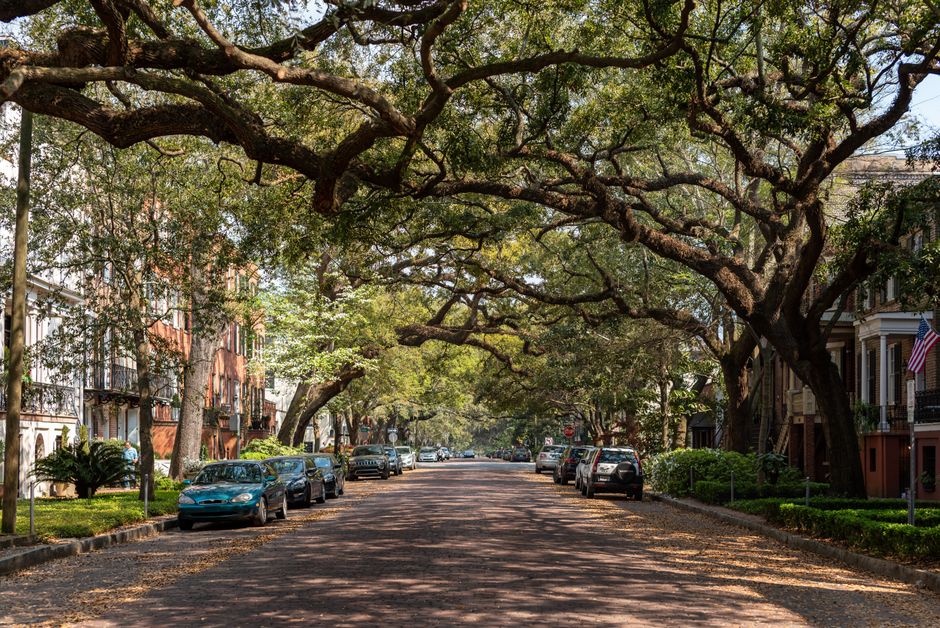
I rolled into Savannah on a humid Thursday and immediately felt the friction between what I expected and what was actually here. The Spanish moss, sure. The squares, absolutely. But also young people on fixed-gear bikes, murals in alleys, rental cottages going for $400 a night, and neighborhoods that couldn't be more different from each other despite being maybe three miles apart.
If you're planning to land here—whether for a long weekend, a relocation, or somewhere in between—your neighborhood choice matters way more than your hotel star-rating would. Savannah's character is hyperlocal. What works for a couple in their sixties doesn't work for a startup person who needs walkable bars. What feels charming for a week-long visit might feel repetitive if you're renting an apartment there. I spent enough time in each of these six to give you the real breakdown.
Historic District: The Old Money Angle
The Historic District isn't one neighborhood—it's a sprawl of four or five hundred blocks anchored by Forsyth Park, Cathedral Basilica, and the river. But as a whole, it's the Savannah that's already on Instagram. Spanish moss hangs from live oaks on virtually every corner. Squares interrupt the street grid with benches, fountains, and just enough open space to make you feel less claustrophobic than you would in most historic downtowns.
Walk Bull Street or Broughton and you'll see why tourists stay here. The restaurants aren't all trap doors—some of them are genuinely good. River Street has the predictable mix of chain bars and overpriced seafood, but the cobblestones and ghost-tour operators are part of the landscape at this point. The catch is noise. If you're sensitive to foot traffic, drunk bachelorette parties, or the sound of horse-drawn carriages at 7 a.m., rent somewhere quieter.
This works best for visitors doing a three-to-five-day trip or people who specifically want the walking-distance-to-everything life, even if it costs more. The neighborhood draws retirees too, though the really serious retirees live just outside it—same vibe, less chaos, lower rent. Young professionals tend to move through here but don't settle. After a year or two, the postcard feeling starts to wear.
Forsyth Park and the Southern Squares
Forsyth Park is the actual heart. The fountain is real, the moss-covered trees are real, and on any given afternoon there's a family with a stroller, someone with a laptop, teenagers on a blanket, and a street musician who may or may not be in tune. The park itself doesn't charge admission and it doesn't close, which is why it works as a neighborhood gathering point and not just a tourist photo op.
The residential blocks immediately south and west of the park—think Victory Drive, Park Avenue—are where families actually live. These streets are quieter than the Historic District proper. The homes are restored Victorians and bungalows, rent is slightly lower, and you can walk to the park, to restaurants, to bars, without being in the thick of the cruise-ship exhaust. Parents like it here because there's green space, schools are decent, and it doesn't feel like you're living in a museum.
It's also where a lot of longer-term renters end up. A month-long stay in this area costs less than Historic District but you keep the walkability. The tradeoff is you're still in Savannah proper—not really suburban, not really quiet, just a bit farther from the screaming.
Midtown: Professionals Who Want Actual Quiet
Midtown isn't one district on the map, but locals use the term for the neighborhoods west of Victory Drive and north of the park—places like Ardsley Park and the blocks around Victory Drive and East 53rd. It's a significant step down in density from Historic District. You get tree-lined residential streets, single-family homes or duplexes, yards, and the sound of birds instead of parade floats.
Young professionals and small families move here when they realize they can't afford a house downtown but still want to live in Savannah proper. The rent is materially cheaper. Some blocks feel a bit isolated at night—Savannah's crime isn't uniform, and you do want to pick your specific block carefully—but during daylight it's pleasant and low-key. There are a few cafes and restaurants scattered around, and you're maybe ten minutes from the Historic District by car or a longer bike ride.
If you're working remotely or semi-remotely and want Savannah without the constant ambient tourism, this is where you land. It's also where people who tried Historic District for a year realize they actually want to sleep without hearing karaoke at 2 a.m.
Starland: Artists and the Gentrification Conversation
Starland is west, getting close to the industrial strip that runs along the railroad. Five years ago this was a neighborhood you heard about secondhand—warehouses, cheap studio space, a reputation for experimental art and people who either didn't have money or didn't want to spend it on appearances. Now it's in the middle of a shift that everyone is aware of and opinions vary sharply on.
The bones are still there. Art galleries, music venues, warehouse spaces, and a bunch of independent restaurants and coffee shops run by people who moved here when it was cheaper and stayed when it got cooler. Rents have climbed steadily. The neighborhood still has character—you don't walk here and see chains or feel like you're in a copy of a copy—but the affordable-loft aspect is mostly done. Younger creative types who have some money prefer it. So do people who want to say they live somewhere "authentic" without actually wanting roughness.
The neighborhood isn't unsafe, but it does require you to walk with awareness and understand the blocks. It's not walkable in the same polished way Historic District is. If you're someone who needs walkable nightlife and galleries and coffee shops in close proximity, Starland delivers that. Just know you're buying into an accelerating story and pick your block carefully based on current reviews and Google Street View.
Ardsley Park: Quiet, Established, Expensive
Ardsley Park is north of Midtown, closer to Victory Drive but distinctly its own thing. It's old money. Large homes set back from tree-lined streets, many of them beautifully maintained, some of them obviously occupied by families who've lived there for decades. Rental options exist but they're not plentiful and they're not cheap—you're mostly looking at single-family homes or large apartments in converted mansions.
This is where retirees end up when they have the money. It's also where established professional couples with kids choose to land if they can afford it. The neighborhood is quiet, genuinely safe, has parks, schools that are taken seriously, and the feeling that someone is maintaining standards. The tradeoff is you're isolated from nightlife and the walkable restaurant scene. You need a car for almost everything except a neighborhood walk. Some people love this. Others feel it's too suburban and might as well live outside the city.
If what you want from Savannah is a pleasant, quiet place to spend a year or raise a family without the tourism noise, and you have a decent budget, Ardsley Park works. Just don't move here expecting to walk to bars.
Tybee Island: Beach People with a Commute
Tybee Island is technically separate—about 20 minutes east of downtown—but it's functional for people who want Savannah but actually want beach proximity. The island itself is relaxed in a way downtown never is. There are bars, restaurants, a fishing pier, and actual sand. Families rent beach houses here. Young people share rental cottages. Retirees live here full-time because it's slow and warm.
The catch is you're choosing between being on Tybee Island or being in Savannah proper. You don't really get both. A commute to downtown restaurants or bars becomes a half-hour trip in traffic. Living here works if you're remote, if you have a job out that direction, or if you genuinely prefer beach to city. Otherwise you'll spend three weeks wondering why you're not walking to dinner in five minutes.
Consider Tybee if you're retired, remote, or specifically prioritize beach access over proximity to restaurants and culture. It's also a legitimate option for families who want a slower pace and don't mind driving twenty minutes to catch events downtown.
Making the Actual Decision
The neighborhood you pick in Savannah determines whether you're living in a postcard, an art scene, a quiet suburb, or a beach town. There's no single best answer because people want different things.
Start with what you're actually doing here. Visiting for a week? Historic District or Forsyth Park area makes sense. Working remotely for a year and want walkability? Starland or Midtown. Got a job downtown and kids in school? Ardsley Park or the quieter blocks of Midtown. Looking for weekend trips and beach access? Tybee Island. Want to actually sleep at night? Anywhere but River Street.
Walk around for an afternoon before you commit to renting. Pick a block, sit at a coffee shop, watch who's there and what time they leave. Savannah neighborhoods are small enough that vibe shifts block to block. Google Street View is useful but it's not the same as being there when the sun's low and the foot traffic is real.
Frequently Asked Questions
what is the safest neighborhood in savannah ga
Ardsley Park and the blocks of Midtown north of Victory Drive are generally considered the safest, with low crime and consistent police presence. Historic District and Forsyth Park are busy and well-lit, which provides safety through visibility, though they see more petty theft due to tourist presence. Starland and blocks west of downtown vary block by block—use Google Maps crime data and neighborhood-specific reviews before committing to a specific street.
where should families with kids live in savannah
Ardsley Park and the Midtown neighborhoods around Victory Drive are best for families—they have good schools, green space, parks, and quiet streets. Forsyth Park and the blocks around it also work well if you want walkability to restaurants and parks. Historic District is possible for shorter stays but the noise and tourism make it less ideal for families planning to be there long-term.
best neighborhood for young professionals in savannah ga
Starland offers galleries, restaurants, bars, and a younger crowd, though rents are climbing. Midtown and the blocks near Victory Drive work if you want affordability and quiet but still want to be in the city. Historic District and Forsyth Park are options if budget isn't a constraint and you want maximum walkability to nightlife.
is savannah historic district walkable
Yes—Historic District and Forsyth Park are the most walkable parts of Savannah, with restaurants, bars, shops, and attractions within a 15-20 minute walk of most residential blocks. Everything else in Savannah requires either a car, a bike, or a willingness to walk 20+ minutes to reach destinations.
Which neighborhood catches your eye?