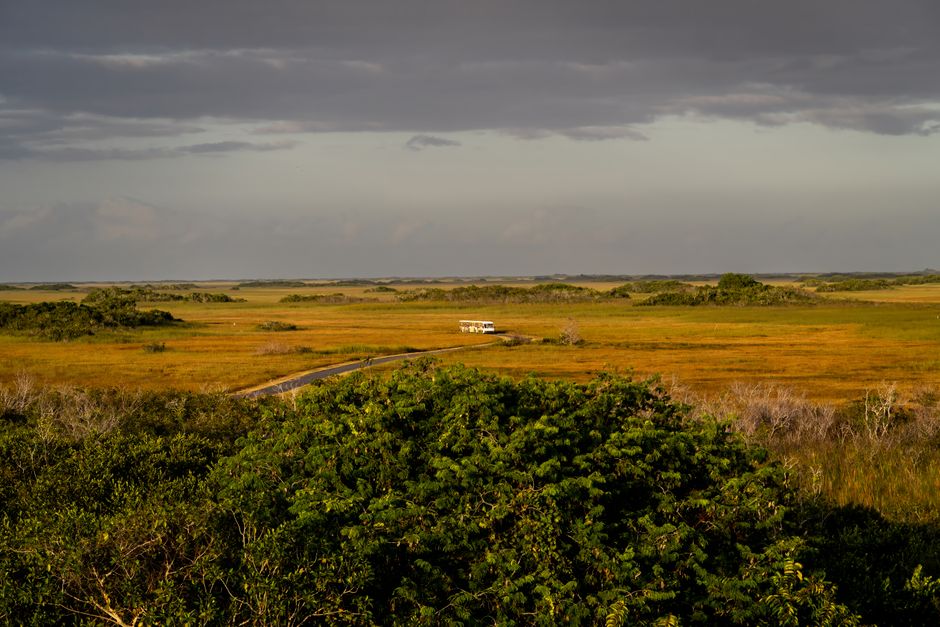
I'd been in Savannah three days when I realized I was eating pralines in the same two-block radius and calling it exploration. The historic district is beautiful—no argument—but it's also exhausting in the way of any tourist magnet. So I started driving. The good part about Savannah's geography is that you're never far from something genuinely different: untouched barrier islands, salt-marsh views that actually mean something, old plantation country where the history is uncomfortable and unavoidable, and towns where the locals still outnumber the visitors.
I've put together the day trips I actually made and the ones worth planning around. These aren't the forty-minute jaunts everyone lists. I'm talking about places where you can spend a real day, eat something that isn't tourist-markup seafood, and leave feeling like you went somewhere.
Tybee Island (18 miles, 30 minutes)
Tybee's the closest escape, which means it gets crowded, but go on a weekday morning and you'll understand why locals still bother. The lighthouse is the obvious anchor—Tybee Island Light is actual functioning infrastructure, not a photo op, and the climb up lets you see how the island has eroded and filled in over 280 years. The museum attached explains the maritime history without being stiff about it.
Beyond that, walk the pier without expectations. Eat at one of the dive bars instead of the seafood chains facing the beach. The Crab Shack, which sits on a salt marsh with an actual alligator pond, is the kind of place where the food is secondary to the atmosphere—Spanish moss, cheap beer, no pretense. Parking can be tight on summer weekends, so aim for early morning or late afternoon. Best time: October through April, when it's warm enough to be outside but not so crowded that you're fighting for bathroom access.
St. Simons Island (75 miles, 90 minutes)
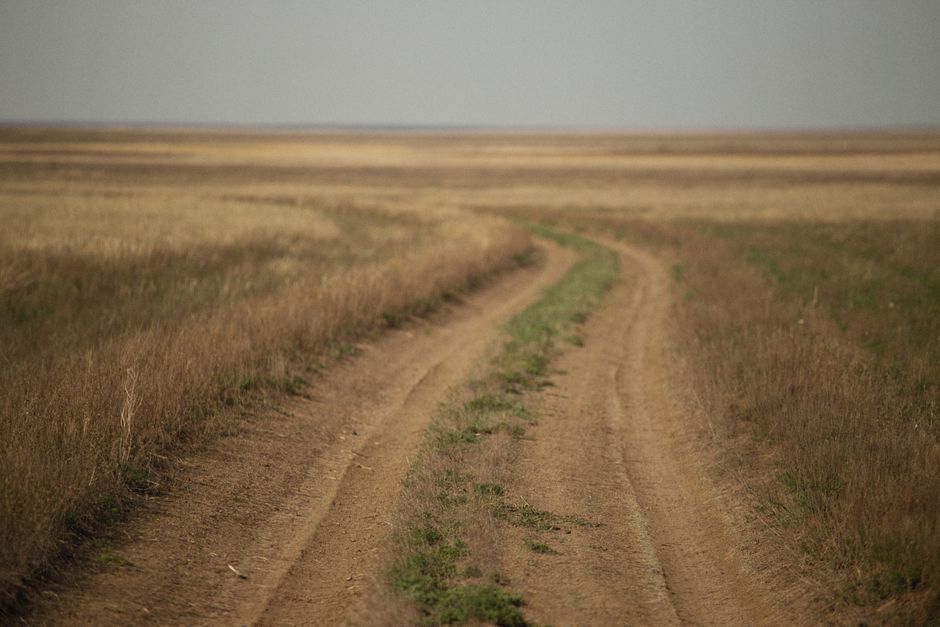
St. Simons feels like what Tybee used to be—busy but not frantic, with actual residential neighborhoods mixed in with the tourist infrastructure. The pier is worth the walk, and the lighthouse here has actual character; the grounds around it are quiet enough that you can sit and watch shrimp boats without someone trying to sell you something.
The stronger play is to skip the touristy village area and drive to the south end of the island toward the maritime forest and the smaller beaches. The driving is pleasant, and there's less crowds. If you're interested in Georgia's slavery and plantation history—and you should be—there's substantial weight to that here; several plantation sites exist in the broader area, though I'd research what's actually open and educational before driving out. Grab lunch at a local spot rather than the obvious restaurants along the main strip. The round trip burns most of a day if you're driving from Savannah and actually spending three or four hours there. Best time: March through May or September through November. Summer is packed with families; winter can be moody and empty, which some people love.
Beaufort, South Carolina (42 miles, 65 minutes)
Beaufort's bookish in a way Savannah isn't anymore. The waterfront is genuine—shrimping boats still tie up there—and the Spanish moss and oaks are less manicured. Walk the historic district without a tour. The buildings are older than Savannah's and less restored, which means they feel lived-in instead of preserved.
The Penn Center, on nearby St. Helena Island, is the more serious destination if you want to understand Sea Island Gullah history and culture—it was founded as a school during Reconstruction and is genuinely important to understanding the region. There's also Hunting Island State Park just outside the city limits with a lighthouse, beach access, and actual forest. Eat dinner somewhere on the water. The food economy here is less driven by tourist markup than Savannah, so you'll actually get fed for reasonable money. Best time: April and October are perfect. Summer is humid and tourist-heavy; winter can be pretty but some days are genuinely cold.
Jekyll Island (85 miles, 105 minutes)
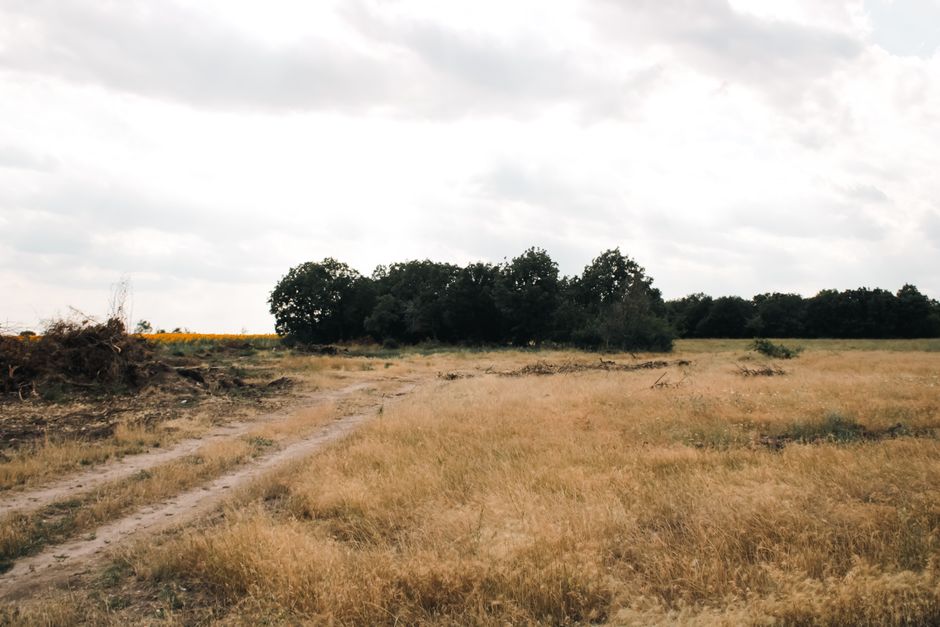
Jekyll's the island for people who want the barrier-island experience without the day-trip rush. It's larger and quieter than Tybee, with actual space between things. The island itself was a millionaire's retreat in the late 1800s, and you can tour some of those mansions if you're interested in Gilded Age excess, but honestly the main appeal is the beach, the maritime forest, and the bike trails that wind through the whole thing.
Rent bikes and explore. The north end has the dock and commercial area; the south end is just nature and beach. There's a driftwood-covered beach on the sound side that's peaceful in a way the ocean beaches aren't. Restaurants are scattered, so eat before you get adventurous about exploring. The drive is long enough that you're committing most of the day, but Jekyll rewards that commitment—it feels less like a tourist box to check and more like an actual place. Bring sunscreen and water. Best time: March through May or September through November. It can be crowded in summer, and winter can be unpredictable.
Midway (30 miles, 45 minutes)
Midway isn't a day-trip destination in the conventional sense. It's a town of maybe two hundred people on Highway 17, halfway between Savannah and the coast. I stopped here half-accidentally and spent two hours thinking about what gets preserved and what gets erased from a place's history.
The Midway Church is the anchor—built in 1792 and still functioning. The cemetery is full of signers of the Declaration of Independence and Revolutionary soldiers. There's a modest museum inside. What makes Midway worth the short drive isn't the tourism infrastructure, because there basically isn't any. It's the quiet and the weight of the place. The marshlands around it are beautiful without being showy. Stop at a local restaurant if one's open, or grab sandwiches in nearby Riceboro. This works best as a half-day trip combined with something else—Tybee or Beaufort on the same day. Best time: Any time, though it's genuinely hot and mosquito-heavy in July and August.
Getting Strategic About Your Day Trip
The mistake I made early was driving out with no plan and expecting something to happen. These places work when you pick one, give it a real half-day or full day, and actually explore instead of hitting the three posted tourist stops.
Fuel up before you leave Savannah. Gas on the islands and in smaller towns costs more and the availability can be random. Bring water and snacks. The heat here builds fast, and there's long stretches where you're outside without shade. Parking is usually fine at these destinations, but summer weekends are the exception—go early or late. Cell service is spotty in some areas, particularly around the marshes and maritime forests, so download a map if you're planning to wander. Respect the wildlife—alligators and snakes exist here and they're not interested in tourists. Look, don't touch, and stay back from water's edge unless you know what you're doing.
The Honest Part About Day-Tripping From Savannah
These trips work, but they're not replacing the experience of Savannah itself. They're escapes, not alternative destinations. If you're basing yourself in the city for a week, building in two or three of these is worthwhile. If you've got a weekend, do one thoroughly instead of trying to do multiple.
The best reason to leave Savannah isn't because Savannah is bad. It's because the surrounding region is genuinely interesting and you're already here. You get a fuller picture of the Lowcountry and the coast if you actually venture out to it instead of staying on the postcard squares.