

I've walked into Charleston on a humid afternoon with nothing but a backpack and a vague sense that the historic downtown would sort itself out. It mostly does. The city has a reputation as one of the friendlier places on the East Coast, and that reputation is mostly earned. But like any place with a couple hundred years of history, pockets of wealth rubbing against pockets of neglect, and millions of tourists flooding through annually, there are neighborhoods and situations where you should keep your wits about you.
I'm not here to scare you away from Charleston. I'm here to give you the kind of honest read that locals give locals—the streets that feel different after dark, the blocks that can feel unsafe but often aren't, and the common-sense precautions that actually matter.
The General Lay of Things
Charleston's violent crime rate has fluctuated over the past decade, and property crime—car break-ins, package theft, street robbery—is the more consistent concern both locals and police cite. You're statistically safer here than in many major U.S. cities. That said, the city does have higher rates of assault and theft than national averages, concentrated in specific neighborhoods rather than scattered evenly. The police department publishes crime data regularly, and if you're the type who likes numbers before hitting the road, that's worth checking.
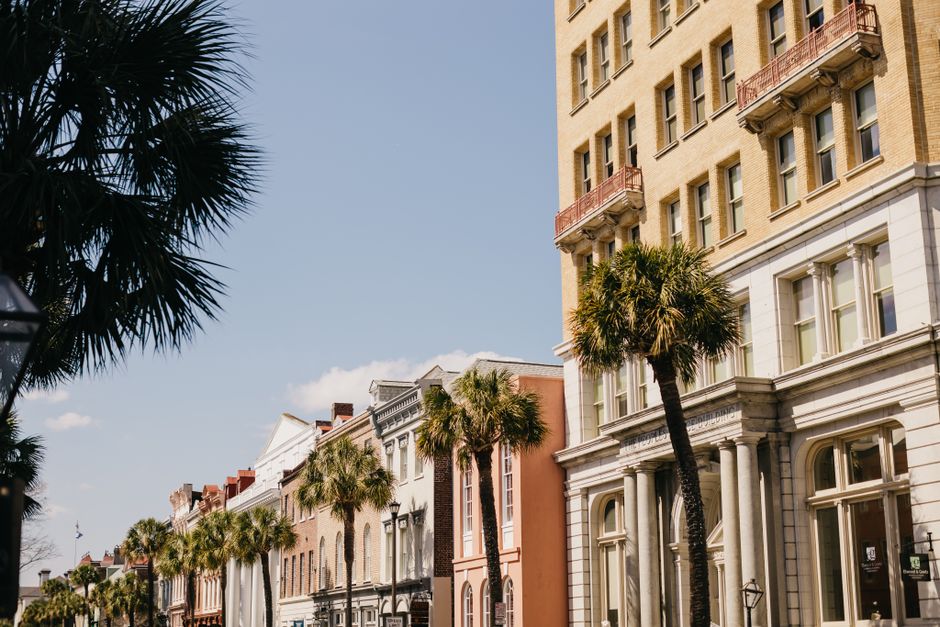
Most solo travelers will spend their time in the Historic District, downtown corridors, and the peninsula neighborhoods like King Street and the waterfront. Those areas hum with foot traffic, are well-lit at night, and feel reasonably secure. The actual risk zones—where you'd want to exercise real caution—are not where most visitors go anyway.
Areas Worth Avoiding or Being Cautious In
North Charleston, the separate city that sits north of the downtown peninsula, has historically had higher crime rates than Charleston proper. If you're renting a car and heading inland, give yourself clear daylight and a GPS-plotted route. I wouldn't say it's a no-go zone—there are legitimate businesses and residents there—but it's not where you want to wander on foot at night looking for a late dinner.
Within Charleston proper, some blocks along the southwestern edges of the peninsula, particularly areas several blocks inland from the main tourist corridors, can feel sketchy depending on time of day. These aren't neighborhoods you'd necessarily encounter by accident if you're following the standard tourist loop. But if you take a wrong turn while walking, say, inland from the waterfront after dark, and you find yourself on a quiet, poorly lit residential street with boarded windows and a sparse crowd—trust that feeling. Turn around. Use your phone light or call a rideshare.
Riverside Drive and the areas along the Ashley River west of downtown have pockets of concern too. Again, not places where tourists naturally end up, but worth knowing about if you're exploring beyond the main drag.
Practical Cautions by Daylight and Dark
During the day, Charleston's main pedestrian zones—King Street, Market Street, the waterfront around the Battery and Fort Sumter ferry—are busy, safe, and tourist-friendly. You can walk these areas solo without worry. The Historic District during daylight is genuinely fine. Walk with intention, keep your bag zipped, be aware of your surroundings like you would in any city.
After dark, the equation changes. Most of Charleston feels okay at night if you're in the right neighborhood. The downtown core, the historic squares like Washington Park and Forsyth, and the main drag of King Street stay populated and safe-feeling until late. But venture more than 4–5 blocks away from these corridors after 10 p.m., and you're in more uncertain territory. I'd use rideshare or a taxi rather than walk if you're heading to a less central neighborhood after dark—not because you're certain something will happen, but because the risk-to-reward math changes when you're tired and it's late and you don't know the area. A $12 Uber is cheaper than the stress or the actual danger.
Groups generally feel safer than solo travelers, obviously. If you're walking alone at night, stick to main streets and well-lit routes. If you're going to an evening event or dinner, arrange your transport before you leave rather than scrambling for a cab on an empty street at 11 p.m.

Street Robbery and Petty Crime
This is the actual risk you're likely to face in Charleston, not violent assault. Package theft from porches and car break-ins are routine. Street robbery—someone asking for money, sometimes with implied or stated threat—happens, particularly in less-trafficked areas and at night. It's rare enough that I wouldn't spend a week worrying about it, but common enough that you should keep it in your operational awareness.
Don't carry a lot of cash. Keep your phone and wallet secure. Don't flash expensive gear on quiet streets. This is basic urban travel sense, and it applies here. I've never been hassled in Charleston, but I know people who have been. The encounters they described were intimidating but not violent—the person asking for money, sometimes aggressively, backing off when turned down. Still unpleasant. Avoid it by being smart about where you walk, when, and what you carry.
The Tourist Zone Is Usually Fine
If you're sticking to the neighborhoods where tourists actually spend time—the Historic District, King Street, the Market Hall area, Folly Beach, and the waterfront—you're in one of the safer parts of the city. Locals and visitors mix here constantly. The atmosphere is commercial and managed. You can walk around in the evening without much concern, though again, basic city sense applies.
I spent an evening walking from the historic downtown toward Folly Beach at dusk, and it felt perfectly safe. Full disclosure: I'm a person who is comfortable in cities and confident in reading a street. If you're not, you might feel less secure. Either way, stay on main routes, let someone know where you are, and use your phone's location-sharing feature if you have it set up.

Transit and Getting Around
CARTA, the public bus system, is fine for daytime travel and gets decent evening ridership on main routes. Buses are monitored, and the drivers are used to tourists. I wouldn't worry about taking a bus to a main attraction during the day. At night, the ridership thins and the feel changes—later evening buses can feel isolated. Rideshare is the move after dark if you want a safer, faster option.
Walking the main peninsula is genuinely pleasant. The Historic District has been deliberately developed to keep foot traffic dense and welcoming. If you're solo and exploring by day, walking is great. If you're heading to dinner at 9 p.m. in a neighborhood you don't know, spend the money on an Uber.
Common Sense That Actually Matters
Don't leave valuables in your rental car—this is the most common crime visitors experience. Lock your stuff, park in visible areas, and don't leave bags sitting on seats. If you see broken glass in the parking lot, park somewhere else. It's a signal.
If you're staying in an Airbnb or hotel, note the entrances and make sure you can get in safely. Trust your gut about neighborhood vibes—if an address feels off when you arrive, contact the host and ask for clarification. Use good passwords on your devices and don't leave them unattended in public spaces. Standard stuff, but it matters.
Talk to your hotel front desk or Airbnb host about which neighborhoods they'd walk in solo at night and which they wouldn't. Locals give better intel than any guidebook.
The Bottom Line
Charleston is not a dangerous city for solo travelers who stay aware and make smart decisions. The majority of visitors have excellent, incident-free trips. The neighborhoods you'd naturally explore as a tourist are mostly safe. The risk is low if you're using basic judgment—avoiding certain areas after dark, not carrying excessive cash, using rideshare late at night, staying on main routes.
The areas that deserve real caution are rarely where tourists end up anyway. If you're going to Charleston, go. Walk the historic streets, eat well, stay observant. Don't spend your trip paranoid. Just be the person who walks with intention, keeps aware of your surroundings, and trusts that feeling when something doesn't seem right. You'll be fine.



