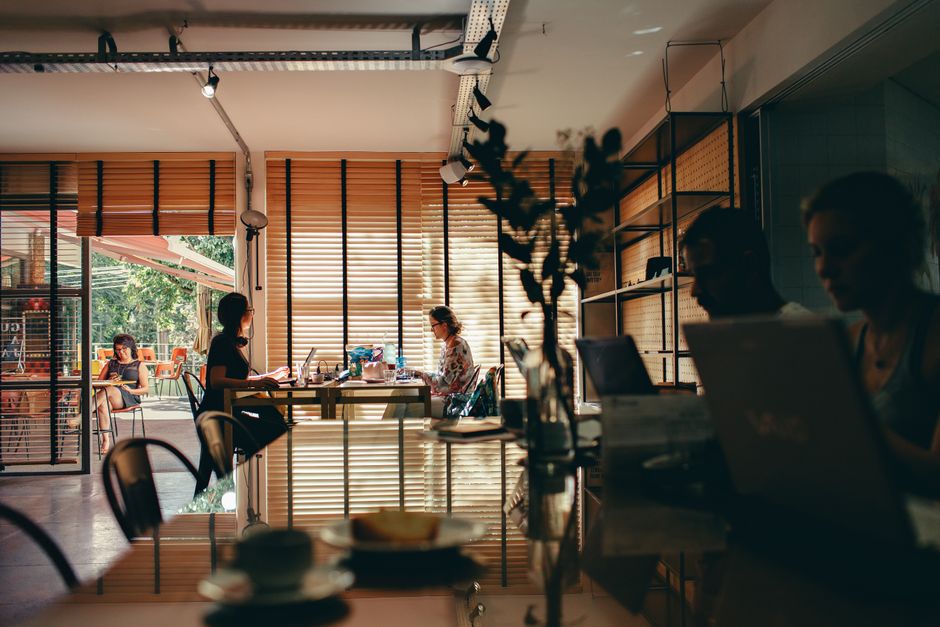
I rolled into Denver on a Tuesday morning with a laptop and zero plans, which means I was immediately hunting for a cafe that wouldn't make me feel like a ghost haunting someone else's space. You know the type of place I'm talking about—somewhere between a third office and a living room, where the espresso tastes like someone cared about it, and you can sit for three hours without a manager circling your table like a shark.
Denver's got plenty of coffee chains doing their thing, but the city's real character lives in the independent spots scattered across neighborhoods like Capitol Hill, RiNo, and Highland. After a week of work sessions, long reads, and an embarrassing amount of people-watching, I found a handful of places that actually deliver on the promise of a good cafe.
Thump Coffee (LoDo)
Thump sits on a corner in Lower Downtown, which means it gets foot traffic from commuters, tourists, and people who've genuinely wandered in from the parking garage next door. The space itself is industrial in the way a lot of Denver places are now—exposed brick, high ceilings, concrete floors—but it doesn't feel like a showroom. Tables are scattered at different heights, and the back corner has some legit seating depth for anyone planning to stay past a quick shot.
WiFi is solid and reliable. I tested it over three separate visits. The espresso drinks are straightforward and well-pulled; I had a flat white that didn't taste like it was made by someone punching a clock. Their pastry case rotates, but the croissants and morning muffins are dependably good. The crowd is mixed—laptop workers, meeting-takers, people reading physical newspapers. That's the vibe you want.
Thump gets crowded during the 7-9 a.m. crunch and again around lunch. If you're sensitive to noise and chaos, aim for mid-morning or after 2 p.m.

Pablo's Coffee (Multiple Locations, but Try the Highlands)
Pablo's is a local chain, which I know reads as "corporate," but they're actually Denver-rooted and run like they give a damn about the coffee. The Highlands location on 32nd Avenue is the one worth your time. It's smaller than the flagship, more lived-in, with real neighborhood texture—older crowd, some regulars who clearly have an assigned stool, young parents with kids, students.
The WiFi works. Seating is tighter than Thump but more varied—some window seats with street views, a few two-person tables, and counter space if you want to watch the baristas. The espresso is clean and approachable. They do a solid cortado, and their pastries come from a local bakery that actually rotates the menu. I had a sourdough croissant on my second visit and a cardamom bun on my third. No two mornings were the same.
The Highlands neighborhood adds something—it's hillier, quieter than downtown, and you get a genuine sense of Denver the way it actually exists, not the version tourists photograph. Parking is street-only, which can be a hunt.
Huckleberry Plum (Capitol Hill)
Huckleberry Plum is the kind of place that doesn't get mentioned in the usual tourist roundups, which is part of why it's worth mentioning here. It's small, tucked into Capitol Hill near the intersection of York and 13th, and it has the aesthetic of a space someone actually cares about without the self-conscious trying-too-hard energy.
The coffee is excellent—they roast their own beans, and the sourcing actually matters to them. I watched the owner chat with a customer about the origin and process of a particular Ethiopian pour-over like it was a normal conversation, not a sales pitch. The drinks I had were sharp and clean. Their pastries come from local bakers, and the rotation is thoughtful.
Seating is limited but smart. There's a small counter, a few tables, and window seats. WiFi is password-protected but fast. The crowd is definitely local—artists, people writing, musicians, some older folks who've been coming for years. It's quieter than the bigger spots, which makes it good for actual focus work. Fair warning: peak hours (8-10 a.m.) mean you might not find a seat, and there's no backup plan like the bigger cafes offer.

Corvus Coffee (RiNo/Five Points)
Corvus occupies a bigger footprint in the RiNo district, in a space that used to be something else industrial. The bones of the building are there—you can see it. They've done the exposed-beam thing, but it reads as genuine rather than trendy. The cafe is genuinely large, with different seating zones. There's a main bar area, a section with couches and low tables, some high-tops, and some proper desk-height tables with good lighting.
WiFi is reliable. I worked there for a full workday and had zero connection issues. The espresso is well-executed—they use a roaster I recognized, and the consistency showed. Their cortados and cappuccinos are properly made. Pastries are from a local bakery and actually change. I grabbed a chocolate croissant one day and a ham-and-cheese quiche the next.
The neighborhood vibe is worth noting. RiNo is Denver's post-industrial cool area—lots of street art, galleries, breweries, record stores. Corvus sits in the middle of it, so you get people coming from art shows, people getting coffee before work, people meeting collaborators. It's bustling but not claustrophobic. Laptop workers are common, but so are people actually having conversations.
Watercourse Foods (Multiple Locations, Try Pearl Street or South Pearl)
Watercourse is a vegetarian restaurant first, cafe second, which means the coffee isn't actually the whole story. But if you want to work or sit for hours and also eat something that tastes like actual food instead of a mass-produced pastry, this is your place. The Pearl Street location has the most cafe energy, with good seating and natural light.
The espresso drinks are solid—not extraordinary, but made with care. The real win here is the food. You can get a proper breakfast, a real salad, a sandwich. The pastries and breakfast items are vegetarian, which sounds like a restriction until you taste something that isn't built from refined sugar and butter stretched as far as possible. I had a veggie scramble and a cappuccino and felt like I'd actually eaten breakfast.
WiFi works. Seating is ample, and the cafe section is deliberately set up for people to stay awhile. The crowd is mixed—people meeting friends, people working, people just sitting. There's a slower, more intentional pace than some of the busier coffee spots. It's not ideal if you want pure isolation and focus, but it's excellent if you want to work while being around people doing normal things.
Source Market Hall (Central Platte Valley)
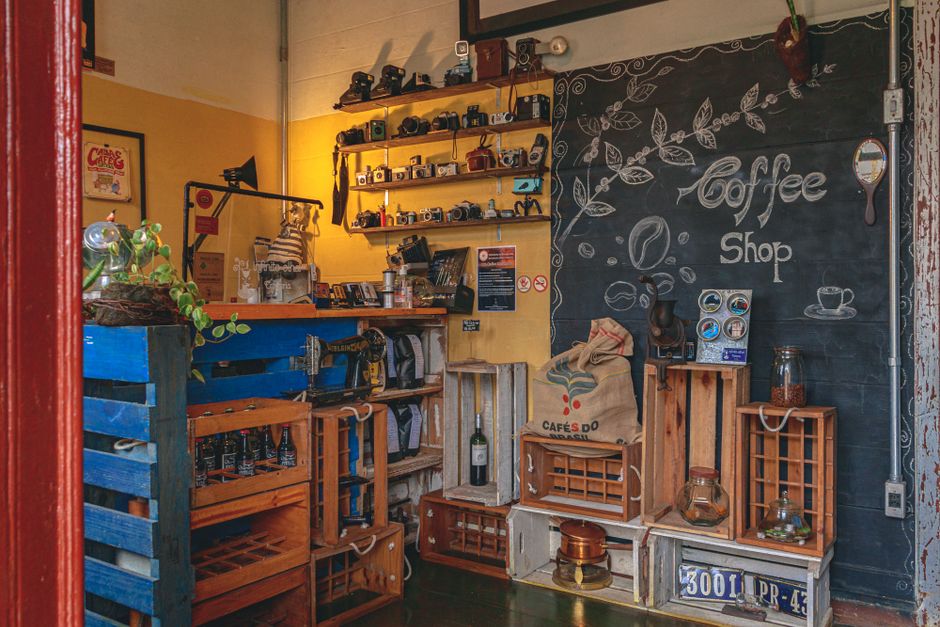
Source Market Hall isn't a traditional cafe—it's a food hall with multiple vendors. But there's a Crema espresso counter inside, along with communal seating, and it's worth knowing about if you want coffee with options and real neighborhood presence.
The seating is communal but works well for solo people. You can grab a coffee from Crema, sit at a big table, and have the option of food from other vendors without leaving your seat. WiFi is reliable. The coffee is good. The scene is energetic without being overwhelming.
The Central Platte Valley location puts you near the South Platte, parks, and actual Denver community infrastructure rather than just the downtown or hip neighborhood circuits. You'll see people meeting up, families, runners grabbing coffee before heading out, artists. It's a bit more chaotic than a quiet cafe, but if you want to be around actual Denver happening, it's worth a visit.
The Practical Stuff
Most of Denver's good cafes turn over WiFi passwords monthly or charge for it, so ask. Tip culture at independent cafes is real—they're not chains, and baristas are usually people who chose to be there. Laptop work is normal in all of these spots, but unspoken rules apply: don't camp during peak hours, don't be loud on calls, and order something every hour or so if you're staying long.
Denver's altitude can hit you harder than you expect, even if you're from somewhere with elevation. Most cafes have water, but bring a bottle. The light is intense here—bring sunglasses or plan for morning work sessions.
Parking varies wildly by neighborhood. Downtown is metered or garage-based. Capitol Hill and RiNo are street parking, which can take time. The Highlands has street parking but less pressure. South Pearl has both street and lot options. Plan accordingly.