I landed in Denver on a Tuesday evening with no real plan beyond finding somewhere to eat that didn't feel like a airport concourse. That's the thing about solo travel in a mid-size city like this—you're not trying to impress anyone, not waiting for the rest of your party, so you might as well sit at the counter and ask the bartender what they actually recommend instead of what's on the Instagram grid.
Denver's food scene has changed a lot in the past decade. The patio-beer-and-steak formula is still alive, but there's real depth here now—neighborhoods with actual character, chefs who aren't playing it safe, and enough turnover that you have to stay current. I spent a week eating my way through the city and talking to locals, and I've got five restaurants that stuck with me for different reasons. These aren't comprehensive. They're just the ones worth your time if you're passing through and want to eat well.
Elitch's: The Solid Mid-Range Steakhouse
Look, Denver's steakhouse legacy is real, and Elitch's on 17th Avenue is the version that doesn't require a second mortgage or a reservation made three weeks ago. The ribeye is properly dry-aged, the sides are generous without being novelty items, and the room has that warm-but-unpretentious vibe—wood paneling, good lighting, waitstaff who know the menu cold.
Order the ribeye, obviously, and don't skip the baked potato. The Caesar salad is one of those things that sounds basic until you actually taste it. Figure $45–$65 per person with a drink. The downside is real on weekends: the bar fills up immediately with the happy-hour-turning-into-dinner crowd, and the restaurant doesn't take reservations for smaller parties, so you'll either eat early or wait. I went in at 5:45 p.m. on a Wednesday and had a seat within ten minutes. Thursday night, I heard, different story.
Frasca Food and Wine: The Splurge That Earned It
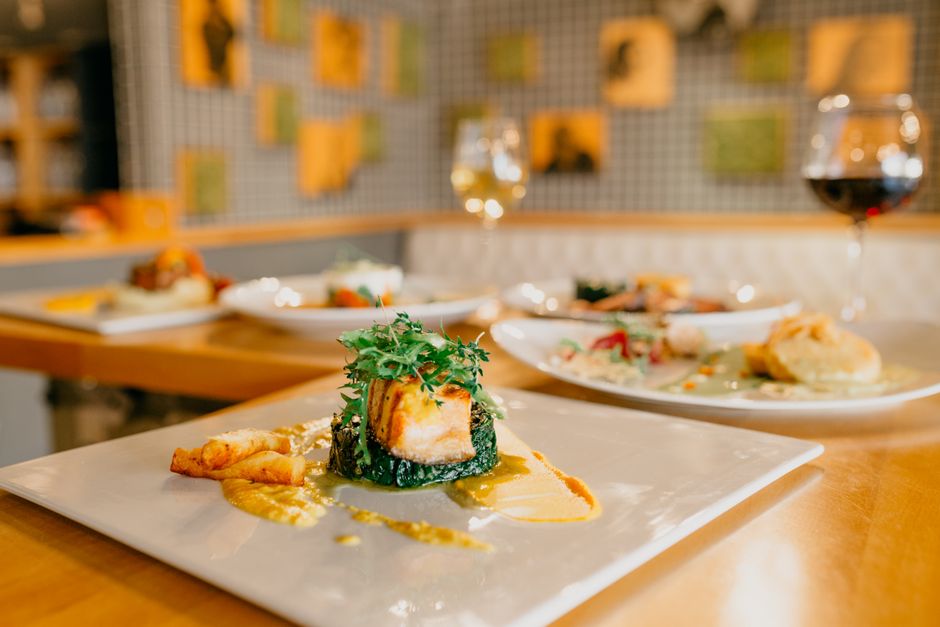
Frasca isn't cheap, and it shouldn't be. This is probably the single best restaurant I ate at in Denver—Michelin-starred Italian, specifically Northern Italian (Friuli-Venezia Giulia region), which means if you come expecting red sauce, you're going to be confused and then enlightened. The chef, Lachlan Mackinnon-Patterson, is obsessive about sourcing and technique in a way that doesn't announce itself loudly but shows up in every bite.
The menu changes seasonally and isn't enormous, which is good—it means everything has been thought through. You'll get housemade pasta, usually featuring unfamiliar shapes and preparations that make total sense once you eat them. The wine list is exceptional. Dinner runs $135–$185 per person before wine, and yes, that's a real commitment. The honest trade-off: the dining room is intimate bordering on close, so it's not the place to go if you need personal space or quiet. It's also not pretentious-in-a-bad-way, but it is serious. Don't come if you're not in the mood to pay attention.
Steuben's: Comfort Food With Some Thought Behind It
Steuben's is the kind of place locals argue about—some people think it's become too precious, others defend it as the best diner-adjacent restaurant in the city. I'm in the latter camp, at least for solo travel. You can sit at the counter, order a burger or fried chicken, and not feel like you're taking up space that should go to a four-top. The room is busy and bright, with enough noise that you don't feel scrutinized.
The burger is straightforward and excellent. The fried chicken is brined and perfectly executed, served with sides that actually complement it—not just thrown on a plate. The roasted chicken (if they have it) is worth ordering. Main dishes run $18–$32. This is the place for a good meal without ceremony, and the price point means you're not gambling on quality. The downside is that it's popular enough that during typical dinner hours, the place reaches that volume level where everyone's shouting, and if you've had a long day, it might feel more chaotic than charming.

Virtu Marketplace: Italian Casual Done Right
Virtu is in the Highland neighborhood, and it's one of those restaurants that shouldn't work but absolutely does—a Roman-style grocery-market-slash-restaurant hybrid. The front room has shelves of imported goods, charcuterie, olive oils. The back opens into a casual dining space. You order at a counter, grab a table, and food shows up when it's ready.
Order the fresh pasta (it changes daily—the cacio e pepe, if available, is textbook perfect). The Roman-style pizza is thin and crispy with restrained toppings. The meatballs are somehow both light and deeply flavored. Everything costs between $12–$18. The vibe is genuinely casual—not trying to be casual, actually casual. Families, couples, solo diners, all mixed in. The trade-off is that you're ordering counter-service style, so there's no waiter making sure your water glass stays full, and it can get hectic during peak hours. But that's also why you can sit down alone without any weirdness about occupying a four-person table.
Okabe: Japanese Precision in LoDo
Okabe is a small counter-sushi restaurant in Lower Downtown that's easy to overlook if you're not specifically looking for it. This is where Denver's sushi obsessives go, and for good reason. The fish is impeccably fresh, the rice is properly seasoned and tempered, and the chef knows what he's doing in a way that gets obvious if you've eaten at mediocre sushi places.
You sit at a nine-seat counter, order from a small menu or omakase-style (chef's choice), and watch the process. This is ideal for solo diners—you get a view of the kitchen, the environment encourages quiet attention to the food, and you can have a real conversation with the chef if you want. Dinner runs $60–$100 depending on how much you order. Quality sushi anywhere costs money, and Okabe is worth it. The downside is that the space is small and fills up fast, and there are no reservations, so timing matters. Weekdays early or late, or you wait.

Jelly: Thai Street Food Without the Tourism Tax
Jelly is in the Five Points neighborhood, and it's casual enough that you might miss it. The space is deliberately unfancy—vinyl booths, loud, communal energy. The food is excellent Northern Thai, and unlike some Denver Thai restaurants, it doesn't scale back the heat or the funk for delicate palates. If you ask for it spicy, it arrives spicy.
Order the khao soi if they have it—this is the best I've eaten in Denver. The papaya salad is balanced correctly between sour, spicy, sweet, salty. The larb is properly peppery. Mains run $12–$16. The room is lively without being nightclub-loud, and there's zero pretension. This is where people go to eat real food, not to be seen eating Thai food. Solo travelers fit in naturally here; you're part of the neighborhood crowd, not an anomaly. The catch is that it's a bit out of the way if you're staying downtown, so it requires a purpose-driven trip or at least knowing it exists.
The Real Denver Dining Lesson
What I noticed moving through these restaurants is that Denver still feels like it's figuring itself out—not in a bad way, but in that genuine way that means the dining scene is interesting precisely because it's not fully settled. You get everything from serious fine dining to casual counter service, and most of it takes itself seriously without taking itself too seriously.
Solo dining here is easy. The city has enough density and transience that a table for one doesn't read as lonely; it reads as purposeful. You can sit at a counter, strike up a conversation with staff or the person next to you, or eat in complete silence. That flexibility is what makes a place feel good when you're traveling alone. Come hungry and without too much attachment to any one idea of what 'going out to eat' should mean, and you'll find it.