
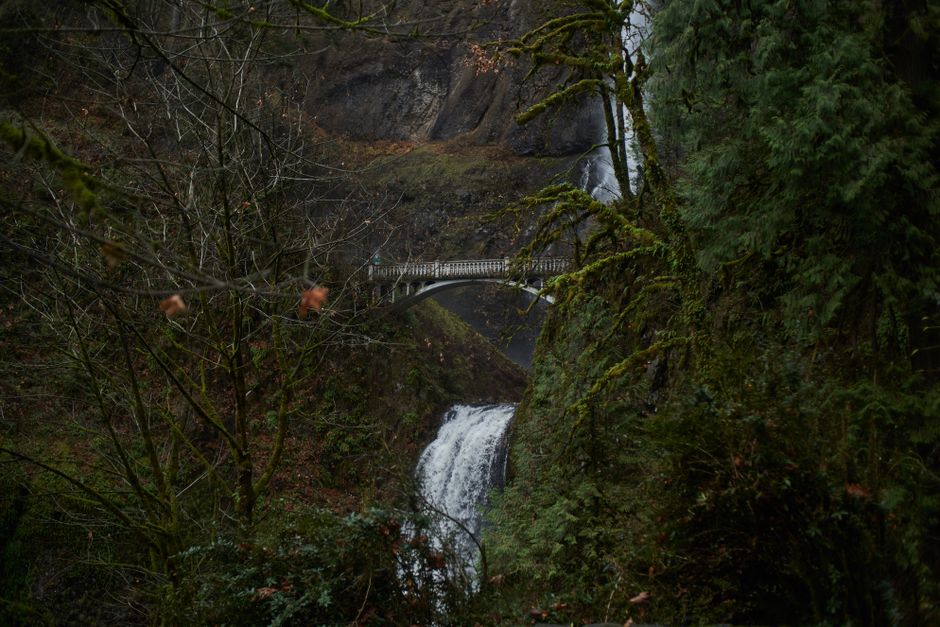
I landed at PDX on a gray October afternoon and did what every visitor does: headed straight to Powell's, caught the waterfront, ate a donut at Voodoo. By day three I was bored. Not bored with Portland—bored with the version of it everyone writes about. So I stopped looking at the guidebook and started riding the MAX to neighborhoods where I didn't see other tourists.
Turns out there's a reason locals seem so smug. Portland's real appeal isn't concentrated on six downtown blocks. It's scattered across neighborhoods in the form of quiet parks that don't have their own gift shops, small museums run by actual humans, and the kind of shops where someone's genuinely excited to talk about their stuff instead of just ringing you up.
Hoyt Arboretum's Back Trails
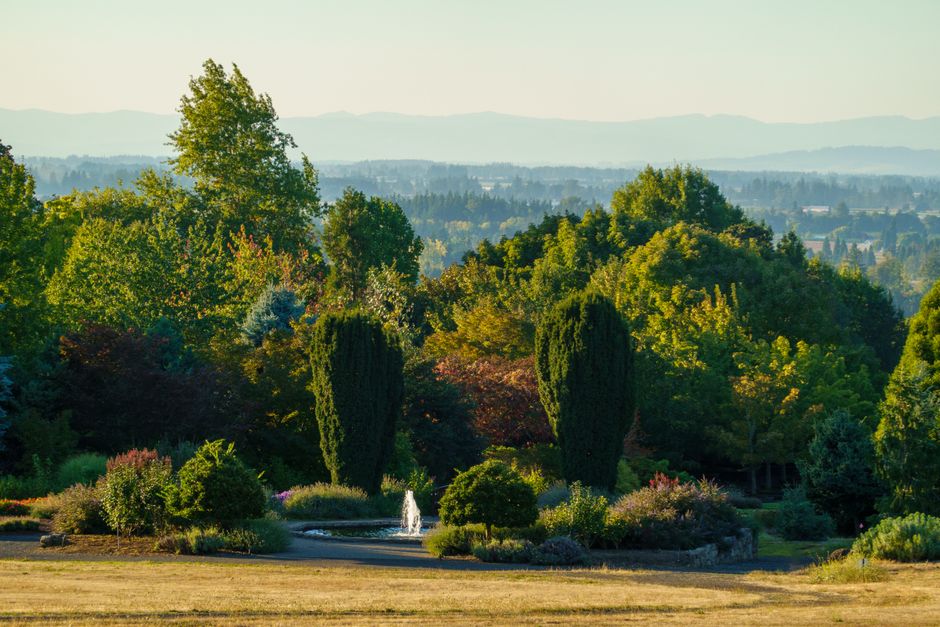
Everyone knows Forest Park exists. Fewer people know how to actually use it. Hoyt Arboretum sits on the west side, technically part of the larger park system, but it feels like its own world—62 acres of intentionally planted trees with maybe a fifth of the crowds you'd expect. I showed up midweek in the morning and saw exactly three other people.
The loop trails are solid, but don't stick to the main paths. The Woodland Trail and Conifer Trail branch into sections that feel genuinely remote despite being minutes from NW 23rd Avenue. The lack of signage isn't a bug—it's what keeps people out. There's a small visitor center with actual trail maps, and the whole thing is free. You'll find native oaks, specimen conifers from around the world, and the kind of quiet that makes you realize why people move to Portland in the first place.
The Lan Su Chinese Garden, But Off-Peak
The Chinese Garden in Old Town is on some tourist lists, but rarely at the top. More importantly, almost nobody goes on a weekday morning. I showed up at opening on a Tuesday and had stretches of the garden completely to myself.
It's a real working garden, not a photo set. The scholars' study room overlooks water in a way that makes you understand why someone would spend hours there. The tile work and stone details reward close looking. The café serves actual tea, not tourist-priced lattes. Most Portland visitors spend forty minutes here, rush through, check it off. Spend two hours instead. Sit by the water. Watch how the garden changes as clouds move across it. That's when it clicks why the whole thing was designed this way.
The Pittock Mansion and Its View
This one shows up in guidebooks sometimes, but mostly as a background fact—"yes, there's a mansion with a view." Most people don't actually go. Those who do usually arrive mid-afternoon when bus tours pull up.
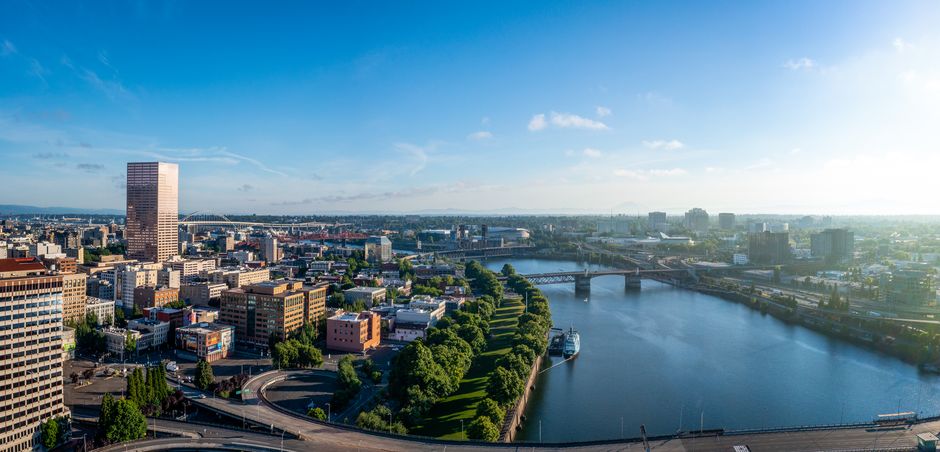
I went on a rainy morning and had the place nearly to myself. The mansion is exactly what you'd expect: a 1909 estate with period rooms and the kind of woodwork that makes you understand what money looked like a century ago. But the real draw is what you can't fake: the view. From the terrace, you're looking down at the entire metro area, the Columbia River to the north, Mount Hood to the east when the clouds cooperate. On clear days you can see the Cascades. The grounds are extensive enough that you can wander into quiet spots and forget you're minutes from the city. The park is free; the mansion has a small entry fee.
Stark's Vacuum Cleaner Museum
I walked past this twice before I actually went in. Stark's is a working vacuum repair shop in a commercial corner of SE Portland, and yes, they have a museum in the back. It's not ironic. Nobody's being cute. They genuinely have one of the largest vacuum collections in the country because the owner actually cares about the history of the machines he fixes.
You'll see uprights from the 1920s, commercial models from the mid-century, European machines most Americans have never heard of. There's no admission fee and no fanfare. You walk to the back, look around, maybe chat with whoever's there. It's exactly the kind of thing that feels impossible to stumble upon anywhere else, and it exists in Portland because someone loves his work. If you come between noon and one, they're often closed for lunch. Weekday afternoons are quieter.
Laurelhurst Park and the Neighborhood Around It
This is a real neighborhood park, not a tourist destination. Laurelhurst sits east of SE Hawthorne, and it's the kind of place where dog owners and locals with kids actually spend time instead of passing through. The park itself is maybe 30 acres—mature trees, open fields, a pond, reasonable walking paths. No splash pads or play structures designed for Instagram. It's just a well-maintained park that works.
The neighborhood around it is worth an afternoon. The blocks immediately south and east have small shops and restaurants that serve actual residents. There's a used bookstore, cafés where you'll hear people having real conversations instead of making content. Stop at a taquería. Look at some houses. This is where Portland people actually live.

The Portland Building's Interior (Yes, Really)
I almost skipped this one. The Portland Building is famous for being ugly—postmodern, controversial, indefensible to most people. It's a legitimate architectural talking point about whether trying to be bold can just look ridiculous.
But the interior is open to the public, and almost nobody goes in. The lobby feels like being inside someone's 1980s fever dream in a way that actually makes sense when you look around. There's a gift shop on the ground floor. The building houses various city offices, and you can take the stairs (if they're open) or elevator up, wander the hallways, and see how the thing actually functions as a workspace. It's weird and worth fifteen minutes. You'll leave understanding both why the building matters architecturally and why some people think it's a disaster. That's more interesting than most tourist experiences.
Getting Away From the Script
Here's what I learned: Portland's actual character isn't for sale at Powell's, and it doesn't have set visiting hours. It's in the fact that there's a vacuum museum, that people garden obsessively, that neighborhoods feel like they belong to the people who live there. The tourists who complain that Portland is "trying too hard to be weird" are usually the ones who stayed in the Pearl District and called it a visit.
Yes, there are great coffee shops on NW 23rd. Yes, Powell's is genuinely worth going to. But they're not why you came here. You came because you heard Portland was different. It is—you just have to look slightly off to the side of where everyone else is pointing.



