
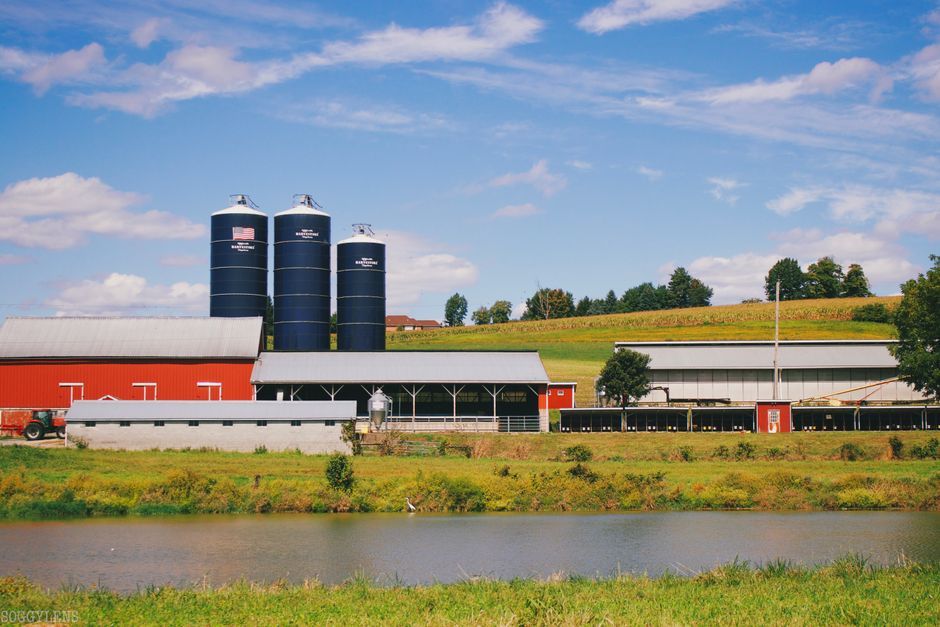
I've driven out of Pittsburgh on a dozen half-day missions, and the good news is you don't have to go far to feel like you've left the city behind. The Appalachian landscape surrounding Pittsburgh opens up pretty quickly—once you hit the Laurel Highlands or push south toward the West Virginia border, you're trading highways for ridgelines and small towns that move at their own pace. Most of these spots sit within 90 minutes to two hours, which means you can sleep past breakfast and still have a full afternoon somewhere better than a strip mall.
I've picked five destinations that actually scratch different itches. Some are about architecture and landscape, some are about hiking, one's about getting tipsy on a riverbank. They're not equally good year-round, so I've flagged the seasons that make sense.
Fallingwater (Mill Run) — About 90 Minutes South
Frank Lloyd Wright's Fallingwater is probably the most famous thing you can reach from Pittsburgh without actually leaving Pittsburgh's shadow. The house sits over Bear Run creek in the Laurel Highlands, and yeah, it's a tourist draw, but for good reason. The architecture is genuinely strange and beautiful in person—cantilevered decks that seem to defy gravity, a living room where the creek runs literally under the house. You can't visit without a guided tour, and the tours are actually worth the money.
Go between April and mid-November. Winter is lean for tour scheduling, and summer weekends can be mobbed with school groups. Late spring (May) or early October give you manageable crowds and perfect weather. Budget three hours on-site minimum if you're doing the regular tour; there's also a shorter exterior-only option if you're in a pinch. The surrounding town of Mill Run has almost nothing, so eat before you go or plan a longer day and venture toward nearby Ohiopyle.
Ohiopyle State Park — 90 Minutes to 2 Hours South
Ohiopyle is where people actually go to do things instead of just look at them. The park straddles the Youghiogheny River, and depending on what you want, you can kayak, whitewater raft, hike to Cucumber Falls, or just walk along the river trails and pretend your life is different. The waterfall hike is popular and short—maybe 45 minutes round trip—but it fills up fast on weekends.
Whitewater rafting season runs May through October, though spring (especially after rain) tends to have better water levels. The river classes range from mild enough for kids to legitimate Class IV rapids, so you can pick your own adventure. If rafting sounds like too much coordination, the hiking is always available, and the town of Ohiopyle itself has restaurants, outfitters, and river access that make it feel like an actual destination rather than a rest stop.
Fall here is genuinely good—the foliage comes alive in early October, and the crowds thin compared to summer weekends. Go midweek if you can. There's also decent cross-country skiing in winter if you're into that, but trails can be hit-or-miss depending on snowfall.
Ligonier — About 45 Minutes South
Ligonier is probably the closest day trip that feels like leaving town, which partly explains why locals keep it busy on weekends. It's a small historic town with a town square that actually hosts events and farmers markets, and there's enough antique shopping, hiking, and eating to justify three or four hours. The Fort Ligonier Museum covers the French and Indian War era, and if you're into military history it's worth an hour. The square has a handful of decent restaurants and cafes that aren't chains.
The real draw though is the surrounding landscape. Laurel Mountain looms nearby, and there are trails through the Ligonier Valley that feel quieter than Ohiopyle. Early fall is best—late September through October—when the weather turns crisp and the valley gets gorgeous. Summer works too, but it draws crowds. The town is small enough that you won't need a full day, but it's an easy place to kill an afternoon and eat well, which beats the alternatives.

New Geneva — About 1.5 Hours South (West Virginia Panhandle)
New Geneva sits on the Monongahela River right on the West Virginia border, and it's the kind of place that doesn't show up in Pittsburgh travel blogs because it doesn't have the name recognition of Fallingwater or the action of Ohiopyle. It's worth the drive anyway. The town was historically a glassmaking center, and there's still an old glass works you can tour if you call ahead. Most of the draw now is the river access and the sense of being somewhere genuinely remote.
You can fish here, kayak, or just walk the riverfront and eat at whatever restaurant is operating (this is small-town territory, so hours vary). The drive down through Greene County has its own merit—you're moving through genuine rural landscape, past coal country that feels geologically different from what most Pittsburgh people know. Best in spring or fall when the weather cooperates. Summer is fine but hot, and winter is thin on appeal. If you're looking for something further off the beaten path than the Laurel Highlands spots, this is it.
Raccoon Creek State Park — About 30 Minutes North
Raccoon Creek is genuinely close and easy to overlook because of that. It's north of Pittsburgh toward Beaver County, and while it doesn't have the name recognition of the Laurel Highlands spots, it's a solid half-day destination, especially if you've got limited time. There's a lake for fishing and swimming, hiking trails that don't require mountaineering equipment, and a small historic lodge area. The lake itself is calm and pretty—no whitewater drama, just a reliable slice of state park.
It's good year-round in a utilitarian way. Summer is obvious (people swim), but it's also crowded on weekends. Spring and fall are quieter and the weather is reliable. Winter is sparse. The main limitation is that it doesn't have the landscape drama of the Laurel Highlands, so if you're looking for something scenic and historic, this is more of a "get outside for a few hours" play than a destination trip. But that's sometimes exactly what you need.

Logistics and When to Actually Go
Most of these trips make sense April through October. Winter kills half the appeal (hiking, boating, outdoor dining) and shaves operating hours. Summer weekends are crowded everywhere, so go Friday or Wednesday if you can swing it. Early October is the sweet spot for most destinations—weather is cool, foliage is beginning, and the summer crowds have evaporated.
Driving time estimates assume you're leaving from downtown or the North Shore. Add 15 minutes if you're starting from the suburbs. Pack sunscreen and water if you're hiking, bring a light jacket even in summer if you're near water, and check ahead on tour schedules (especially Fallingwater) because they do shut down between tours. Most towns have at least one decent restaurant, but Ohiopyle and Ligonier are your safest bets for actual choice. Everywhere has cell service now, but don't assume GPS will work perfectly in valley towns—download a map.
A Final Word
The point of a day trip isn't to cram in some viral-worthy experience. It's to get out of your routine, see something different, and be back in time for dinner without feeling like you've wasted a full weekend. These five spots do that reliably. They're close enough that you can actually execute them without planning a whole day around driving, and they're different enough from each other that you can pick based on what mood you're in. That's the whole game.



