I rolled into Charleston on a Tuesday afternoon, dragging a backpack and a spreadsheet of hostels I'd found at 2 a.m. The city's reputation—moss-draped oaks, historic mansions, $200-a-night Airbnbs—had me nervous about the budget side of things. But I've learned that every tourist town has its own underground network of affordable beds, and Charleston's is more functional than most.
The trick isn't finding a cheap place; it's finding a cheap place that won't make you feel like you're sleeping in a storage unit. Over the next few days, I hit five different budget properties across the city, talked to other travelers, and got a real sense of which places are worth your money and which ones are just… cheap.
Here's what actually works if you're visiting Charleston on a tight schedule and an even tighter budget.
The Big One: Not So Hostel
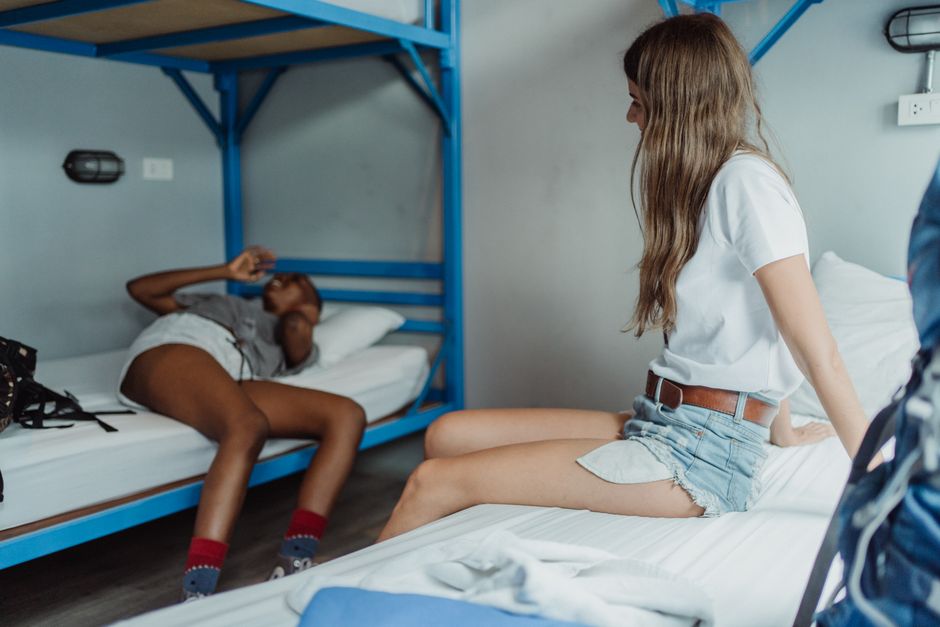
Not So Hostel sits about a mile northwest of downtown, on a quieter stretch near the Citadel neighborhood. Dorm beds run $28–$35 depending on season; private rooms are around $65–$75. The space is genuinely clean—I watched the owner sweep the common area twice during my stay—and the kitchen actually has working pans, which is more than I can say for most hostels I've stayed in.
The main draw is the rooftop area. It's not fancy, but on a warm evening, you'll find travelers nursing cheap beer and talking about their next stop. That's the real value of a hostel for solo travelers: the built-in social outlet. Not So Hostel delivers that without the chaotic party-till-2-a.m. vibe that makes some people swear off hostels forever.
Location-wise, you're a 15-minute walk to King Street if you want to browse shops, and a short bike ride to downtown. The neighborhood itself is residential and quiet—no car horns at 6 a.m. The owner runs the place herself, which means complaints actually get addressed.

When You Want Your Own Room: Budget Inn by the Ashley River
This isn't a hostel—it's a straight-up budget motel, but a clean one. Rooms start at $55–$70 in the off-season, climbing to $85–$95 in peak summer. It's not the Ritz, and the walls are thin enough that you'll hear the person next door, but the sheets are fresh, the bathroom works, and you get privacy.
The location is the real story. Budget Inn sits right on the Ashley River, and if you're willing to walk about 20 minutes, you can reach downtown proper. There's a bus stop nearby—the CARTA system isn't fancy, but a single ride costs $1.75—and the motel has free parking, which saves you another $15–$20 a day if you're driving. For solo travelers who don't mind isolation but appreciate quiet, this is the sweet spot between hostel social pressure and downtown prices.
Cleanliness is consistent. I checked three rooms (friend was comparing options) and all three had recent renovations to the bathroom fixtures. The front desk staff seemed tired but not hostile, which is honestly the baseline for a $70 motel.
The Bare-Bones Option: Extended Stay America on Meeting Street
Extended Stay America is designed for people staying two weeks or more, and that's where the price advantage kicks in. A single night might cost $65–$75, but if you're planning a month-long stint, weekly rates drop to $42–$48 per night. That math changes the game if you're doing a slow travel month or working remotely.
You get a studio room with a small kitchenette, which means you can grocery-shop instead of eating out constantly. Ramen in your room costs 30 cents; a bowl from a downtown restaurant costs $12. After a week, the savings add up. The location on Meeting Street puts you about a mile from downtown and close to transit connections.
The catch: these are functional, not charming. The decor is corporate beige, the furniture looks like it survived a college dorm, and housekeeping comes once a week unless you pay extra. But if you're traveling on a real budget and staying longer than a few days, the math works. The room is clean, safe, and private. That's enough.

Quality Dorm Space: Globetrotters Hostel
Globetrotters sits in the historic district, closer to downtown than Not So Hostel, which means you trade a 15-minute commute for a 5-minute walk. Dorm beds are $30–$40 depending on how many people are in the room. The four-bed dorms are cheaper; the six-bed ones save you a couple dollars but also mean less privacy.
I stayed in a four-bed room and didn't hear a peep from my roommates. That's partly luck, partly good soundproofing. The bathrooms are cleaned multiple times a day—I actually saw the housekeeper mid-afternoon—and the common areas have real furniture, not just bar stools and a broken couch.
The owner has clearly invested in the place. There's a small library of travel books, a working coffee machine in the hallway, and a bulletin board where travelers post notes about their routes. It attracts a slightly older crowd than some party-centric hostels, which means the vibe is more "let's plan tomorrow's hike" and less "let's see who can drink the most."
Downtown is a straight walk from here. You can grab breakfast on King Street, be at Fort Sumter by mid-morning, and still be back by lunchtime. For a first-time visitor who wants budget accommodation without feeling isolated, Globetrotters is the obvious choice.
The Wildcard: Airbnb Rooms (If You're Not Completely Opposed)
I know, I know—Airbnb feels like cheating for a budget travel article. But hear me out. Private rooms in older Charleston homes sometimes rent for $45–$65 per night, especially if you book off-peak. That's cheaper than a private room at a budget motel and often includes actual character: hardwood floors, a kitchen, maybe even a porch.
The trade-off is that you lose the social infrastructure of a hostel and you're dealing with individual hosts instead of a front desk. Some hosts are great; some treat you like you're going to steal their silverware. Read reviews carefully—specifically look for comments about cleanliness and responsiveness.
The location variable is bigger with Airbnb. You might end up in a beautiful historic home in the French Quarter, or you might end up in a residential neighborhood 20 minutes from downtown. The price difference isn't huge, but the experience difference is. If you're okay researching and reading reviews instead of just showing up to a known quantity, you can sometimes find better value here than at any hostel.
The Logistics: Parking, Timing, and What to Actually Book
Most downtown hotels charge $15–$25 per day for parking. Most hostels and budget motels offer free parking or small lots. If you're driving, that alone might justify staying outside the core downtown area. If you're flying in and renting nothing, ignore that sentence and take the CARTA bus or a rideshare downtown—you'll save money either way.
Season matters. Summer (June–August) is peak tourist season; November through February is quiet. Budget places don't discount as aggressively as nice hotels do, but you'll still see 15–20% savings in off-season. If you have flexibility, avoid late March through early May (spring break and Spoleto overflow) and August (festival season).
Book direct when possible. Hostels often quote slightly lower prices if you bypass Booking.com and call or email them. It's a small thing, but saving $2–$3 per night adds up over a week.
The bottom line: Charleston's budget lodging is honest. You won't find a luxury experience at a hostel price, but you also won't get surprised by mold or missing towels. These places know they're competing for the traveler dollar and they mostly deliver on that promise.
Frequently Asked Questions
Are there any good hostels in Charleston South Carolina
Yes. Not So Hostel and Globetrotters Hostel are both solid choices with dorm beds in the $28–$40 range, clean facilities, and good social spaces. Not So Hostel is quieter and slightly farther from downtown; Globetrotters is closer to the historic district. Both are legitimate options depending on your vibe preference.
How much does it cost to stay in a hostel in Charleston SC
Dorm beds in Charleston hostels typically run $25–$40 per night depending on season and room size. Private rooms in hostels or budget motels start around $55–$75. Extended-stay properties offer weekly discounts that can drop nightly rates to $42–$50 if you're staying longer than a week.
Is it safe to stay in a hostel in Charleston
Yes, the hostels and budget lodging in Charleston are safe. Both Not So Hostel and Globetrotters maintain clean facilities, responsive management, and stable guest rotations. Standard hostel precautions apply—lock your valuables, don't leave expensive items unattended—but Charleston's budget properties don't have a reputation for theft or safety issues beyond typical urban travel considerations.
Which place would you book?