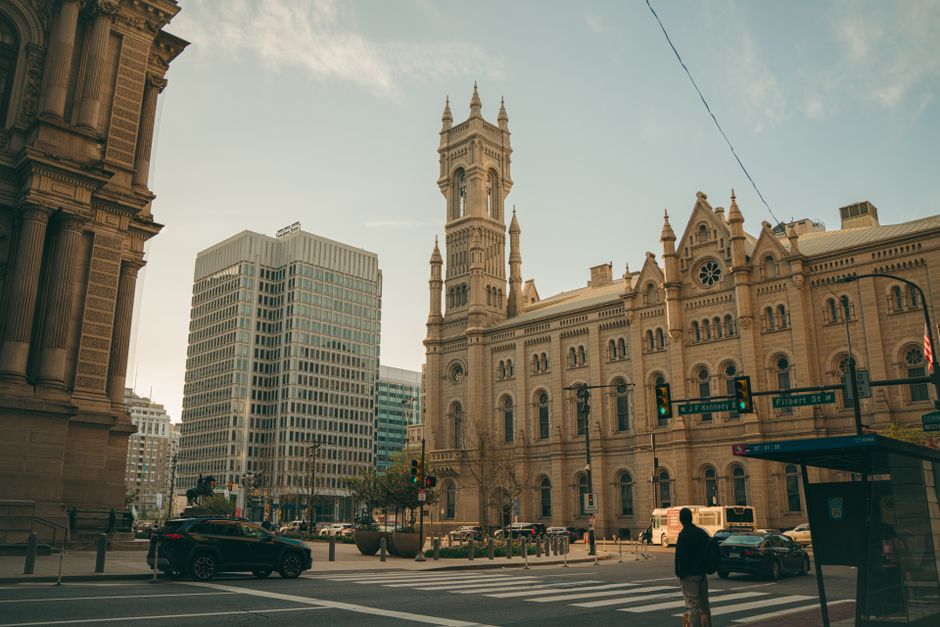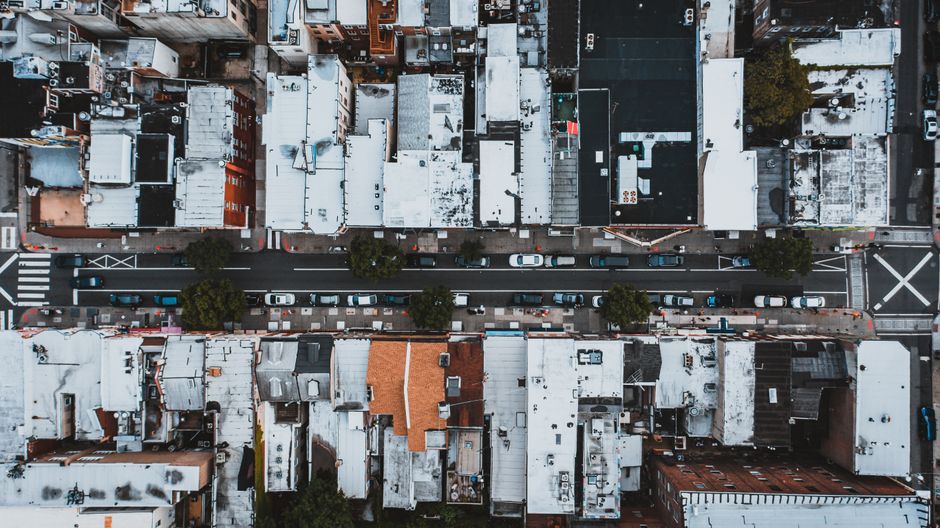
I rolled into Portland on a Tuesday afternoon with a backpack and a vague plan. The usual question hit immediately: where do I sleep without torching my budget? I'd heard Portland had a decent hostel scene, nothing like Asia or Latin America, but livable for someone trying to make a week stretch.
The city's neighborhoods are spread enough that where you stay actually matters. Downtown's walkable, sure, but the real Portland — the coffee shops, the actual weirdness — lives in places like Southeast Division, Northeast Alberta, and southwest near South Burlingame. I needed to figure out which budget options put me near the action without sticking me in a fluorescent motel box off I-405.
Understanding Portland's Budget Accommodation Landscape
Portland's got three main play categories for broke travelers. True hostels (dorms and shared spaces) cluster downtown and in inner southeast. Budget motels — the Motel 6 chain and independents — line the highways and outer residential areas, cheap but functionally soulless. Then there's the middle ground: small hotels or older apartment buildings that rent nightly or weekly, often overlooked but sometimes the best bang for money if you're staying longer.
Prices run roughly $35–$55 for hostel dorms, $60–$85 for private hostel rooms, and $50–$75 for motel doubles. Extended-stay rates (seven days or more) drop significantly, sometimes $40 per night. The trade-off is obvious: cheaper means fewer amenities, farther from downtown, or both. Portland's also gotten noticeably pricier in the last three years, so "budget" here is relative. You're not getting Thai prices anymore, but you're also not San Francisco.

Jupiter Hotel: The Outlier with Character
Jupiter sits in Southeast Portland near Division Street, which is basically ground zero for the city's coffee, food, and bar scene. It's not a traditional hostel — more like a boutique budget motel that somehow doesn't feel depressing. Rooms are small, clean, and styled with actual attention. Doubles run around $80–$100, which isn't cheap, but the location compensation is real. You're a five-minute walk to decent restaurants, five more to Division Street's entire ecosystem.
The vibe here is decidedly not backpacker-commune. It's quieter, more grown-up traveler or visiting professional. No dorms, no shared kitchen. If you want solitude without the motel-room despair, it's worth the premium over typical budget chains. Transit access is decent but not perfect — Division connects to bus lines, though you'll walk or bike more than if you stayed downtown.
The Portland Hostel: Downtown Standard
This one sits right downtown, which is both blessing and curse. You're a ten-minute walk from Powell's Books, the streetcar, and everything tourists are supposed to see. Dorm beds run around $45–$55, private rooms $70–$90. The space is functional and clean, not luxury, but that's hostel math. Common areas exist and usually have people, though Portland's not a party-hostel destination like some cities — you get conversational travelers, not necessarily beer pong.
The downtown location matters most if you've got limited time or no car. The Portland Streetcar connects directly from here, and you can walk to the Pearl District, Old Town, and most of downtown without thinking about it. But downtown Portland at night is… fine, not dangerous, but not the neighborhood where Portland's actual character lives. By day it's full of coffee drinkers and office workers. By evening it empties out in a way that feels eerie if you're solo.
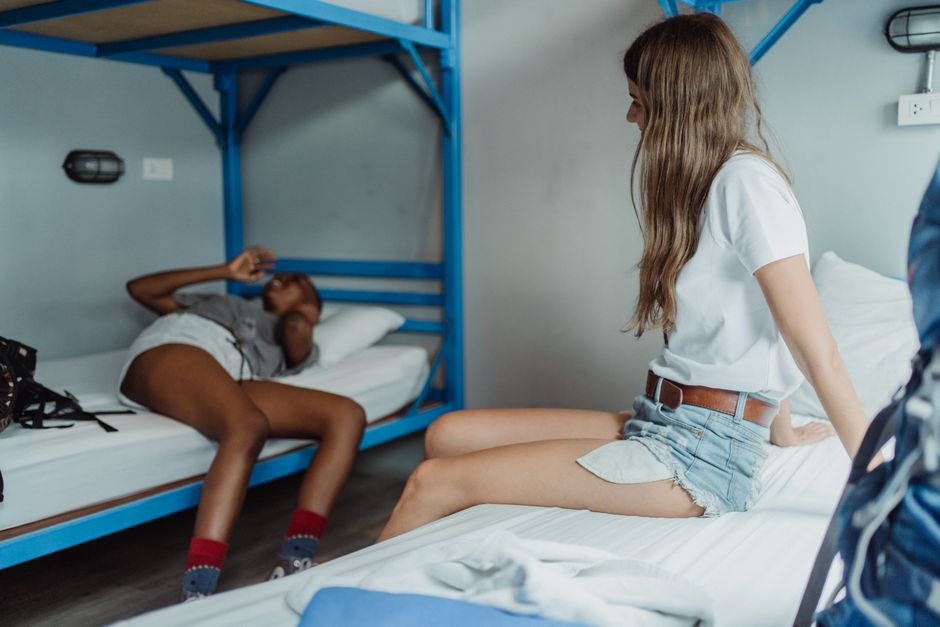
Motel 6 Locations: Reliable Mediocrity
Look, I'm not here to praise Motel 6. But I'll be honest: they're there, they're predictable, and they work if you just need a clean bed. Rooms run $50–$70. Most are on the city's outer edges — Lloyd District, near the airport, along Highway 97 heading south. They're generic in the way every Motel 6 everywhere is generic. Thin walls. Noise from the parking lot. The bed's fine, the shower works, the Wi-Fi is passable.
Where this makes sense: you're arriving late, leaving early, and spending your time elsewhere anyway. Or you've rented a car and don't mind being slightly outside the core. There's also no community aspect, which some travelers prefer. You check in, you're alone, you're good. Parking is free and ample, which matters in Portland. Just don't pretend you're getting the authentic Portland experience at a chain motel five miles from downtown.
The Echo: Southeast Alberta Proximity
The Echo describes itself as a hostel but operates more like a small, casual hotel. It's in Northeast Portland, toward Alberta Street, which is several neighborhoods east of downtown but also where a lot of the independent shops, galleries, and dive bars actually live. Dorms are around $40–$50, private rooms $65–$80. The space is tight, and amenities are basic, but the neighborhood more than compensates.
Alberta Street (and the surrounding northeast grid) is genuinely where Portland's creative class and longtime residents hang out. It's less polished than Division, less touristy than downtown, and you'll stumble into actual neighborhood spots. Buses connect to downtown, though it's a fifteen-minute ride. For someone who wants to avoid the tourist infrastructure and meet people who actually live here, this location punches above its price weight.

Extended-Stay Options: When You're Staying a Week or More
If you're in Portland longer than five days, the per-night economics shift. Several motels and small hotels offer weekly rates that drop to $40–$50 per night — a significant cut. Motel 6 sometimes offers weekly discounts. Smaller independent places scattered through outer southeast and northeast often negotiate if you ask.
There's also the option of Airbnb for a private studio or one-bedroom at comparable or slightly lower nightly rates if you book a week, though you lose common areas and the easy social aspect of hostels. For truly extended stays (two weeks or a month), some extended-stay chains like Red Roof or motels oriented toward seasonal workers offer even steeper discounts. The catch: you're committing to less-ideal locations, farther from downtown and from each other. It's a trade between money saved and time spent on transit.
Getting Around from Your Budget Bed
Portland's transit system is solid but not exceptional. The TriMet bus network covers the city, and the Portland Streetcar runs a loop through downtown and out to Northwest 23rd (the northwest residential quarter). Staying downtown or on a streetcar route matters if you don't have a car. Southeast hostels and the Jupiter have okay access, but you're depending on buses and occasional wait times.
Biking is huge here — flat terrain, bike lanes everywhere, a bike-share system. If you're staying somewhere less central, renting a bike ($15–$20 per day) makes sense. Lyft and Uber work fine but erode your budget quickly. A car, if you're planning day trips to the coast or Columbia River gorge, makes sense, but parking downtown or in popular neighborhoods adds $10–$20 per night to your budget and creates its own hassle.
The Actual Decision
The honest answer depends on your priorities and timeline. Downtown hostels (like Portland Hostel) make sense if you're staying three to five days, want to walk to most things, and don't mind sterile downtown streets at night. Southeast options like Jupiter or The Echo cost a bit more but put you in actual Portland neighborhoods where you'll spend your time anyway, saving you on meals and drinks by being near the good stuff.
Budget motels work only if you're driving or you're just sleeping there. Extended-stay discounts matter if you're here a week or longer. And honestly? If you're staying four days or more and can swing it, splurging an extra $20–$30 per night to stay in a real neighborhood (Division, Alberta, or South Burlingame) is worth the money. You'll eat better, meet better people, and actually remember your time here instead of remembering the motel room.
Frequently Asked Questions
What is the cheapest hostel in Portland Oregon
Dorm beds at true hostels in Portland typically start around $40–$50 per night, with some offering rates closer to $35 on slower nights if you book directly. The Echo and The Portland Hostel are among the most affordable, though availability varies by season. Summer and weekends book up faster and prices rise; winter mid-week offers the lowest rates.
Is it safe to stay downtown Portland
Downtown Portland is generally safe during the day and early evening, especially around Powell's Books, the Pearl District, and main retail corridors. Safety is less consistent after dark — the area empties out and feels eerie rather than dangerous, but solo travelers often prefer staying in active neighborhoods like Southeast Division or Northeast Alberta instead. Police presence is visible downtown but not aggressive.
Do Portland hostels have private rooms
Yes, most Portland hostels offer private rooms in addition to dorms. Private room prices typically range from $65–$90 per night depending on size, location, and amenities. Jupiter Hotel is private rooms only (no dorms). The Portland Hostel and The Echo offer both dorm and private options, giving budget travelers flexibility.
Which place would you book?