I arrived in Pittsburgh on a gray November afternoon, the kind where the riverbanks disappear into mist and the city feels smaller than you'd expect for its size. I'd heard the usual things—Steel City, three rivers, Mike Tomlin—but I was hungry, and that's what mattered. Over the next week I ate my way through neighborhoods that surprised me: strip districts that still smell like Eastern European groceries, walkable blocks of Polish Hill, the gentrified-but-not-sterile South Side, a few spots in the North Shore that actually deliver on their hype.
Pittsburgh's food scene doesn't announce itself with the aggression of Philadelphia or New York. You have to actually walk around, talk to people, sit at bars where locals are eating. There are no unicorn lattes here. What you get instead are restaurants where the owner might come by your table, where they've been doing one thing well for fifteen years, where a solo diner gets treated like a regular from day one. These are the spots I'd return to.
Legume Bistro: Refined but Never Pretentious
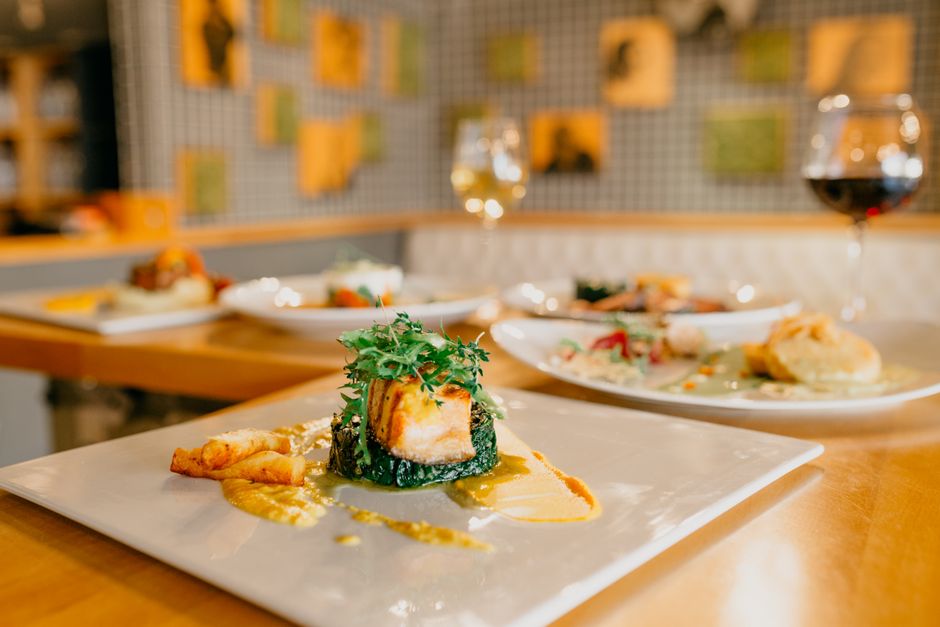
Legume sits on a corner in Shadyside, and from the street it looks almost apologetically quiet. Inside it's warm, high-ceilinged, with the kind of lighting that makes you want to stay longer than you planned. The menu changes seasonally, but expect Italian-inflected cooking with real vegetable focus—not the showboat kind, but the kind where someone actually knows how to cook a beet.
I ordered pasta with brown butter and sage alongside roasted winter squash that came with a barely-sweet glaze. The wine list is smart without being intimidating. A single plate and a glass will run you $35–50, full dinner maybe $60–75 before tip. The honest downside: it's popular enough that you should call ahead if you're coming at peak hours. Weeknight lunch or a late dinner slot is easier to walk into. The staff moves at a thoughtful pace, which is lovely if you're not in a rush but means this isn't a quick refuel.
Wholey's Market: Lunch Counter in a Old-School Fish Market
On the Strip District's 21st Street, Wholey's has been operating since 1902, and it still feels like it. The ground floor is a working fish and meat market where the vendors will yell your order number loud enough to hear it from the parking lot. Upstairs and tucked into corners are lunch counters where you order at a window and eat elbow-to-elbow with people who work nearby.
Get the fish and chips—they fry the catch daily—or the crab sandwich, which is mostly actual crab. Everything is under $18. The vibe is authentic urban Pittsburgh, the kind of place where nobody cares if you're alone or traveling, where the person next to you might have been eating here for forty years. The real limitation is chaos. It's loud, crowded during lunch hours (noon to 1 p.m.), and there's no reservation system. Go at 11:30 or after 1:30 if you want breathing room. It's worth the noise, though—this is Pittsburgh history you can taste.
Cure: Spanish Cured Meats and Small Plates in Lawrenceville
Lawrenceville is Pittsburgh's most obvious "up-and-coming" neighborhood, and Cure is the kind of place that makes that descriptor feel earned rather than marketing. It's a narrow room with a long bar, Spanish jamón hanging from hooks, a wine program that takes itself seriously without being stuffy. The whole concept is simple: cured meats, cheeses, a rotating selection of small plates, one or two heartier dishes.
Order the jamón ibérico if it's available—it's expensive but thin-sliced and worth it—along with whatever special they're running. A cheese board comes with decent bread and quince paste. Expect to spend $35–50 for a full meal with wine. The light is low, the background noise from the bar is actual conversation rather than ambient yelling, and solo diners fit in naturally. The catch: they don't take reservations, so weekends after 7 p.m. can mean a serious wait. Weekday evenings are manageable. Go early or late, and bring cash or be prepared for their minimum card charge.
Pamela's Diner: Real Breakfast, Not a Concept
Pamela's has multiple locations around Pittsburgh, but the original in Shadyside is the one worth sitting in. It's a long counter with red vinyl stools, wood-paneled walls, the kind of place where the waitresses know whether you take cream in your coffee before you sit down. The buckwheat pancakes are what people come for, and they're good—thick, nutty, served with their own syrup that tastes like actual maple.
Get eggs cooked the way you want them, home fries that taste like they were fried in a cast iron that's been seasoning for thirty years, toast that's actually toasted. A full breakfast runs $12–16. The coffee is consistent, endless, and strong. The light is harsh and unflattering, which somehow makes it more honest. It fills up fast on weekend mornings, so come before 9 a.m. or expect to wait. Weekday mornings are quieter, and solo diners can almost always grab a counter spot immediately.
The Commoner: Modern American with Real Technique
The Commoner opened in the North Shore a few years back and filled a gap that Pittsburgh didn't realize it had—a restaurant where the cooking is genuinely skilled, the ingredients are local and seasonal, and nobody's trying to convince you it's haute cuisine. The space is clean-lined, the bar faces the kitchen, and there's actual natural light during the day.
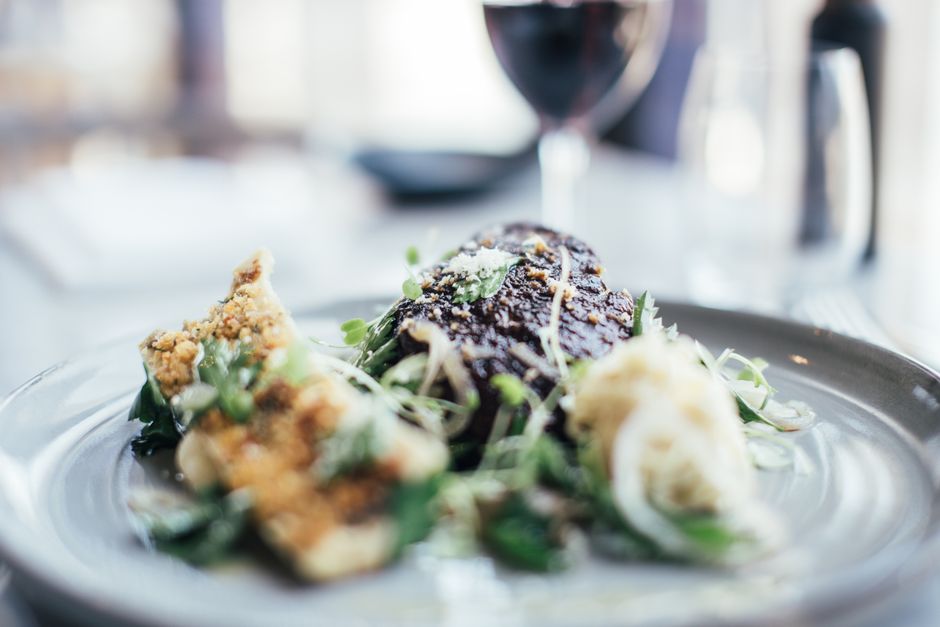
The menu is short and changes frequently, which usually means the kitchen knows what it's doing. I had a roasted chicken that was perfectly cooked, brined in something herbaceous, served with vegetables that tasted like actual vegetables. A vegetable-heavy plate, if you want it. Mains run $24–36, and you can eat well for $40–50 total with an appetizer and no alcohol. The downside is that it's become popular with local date-night crowds, so evenings can get loud and the reservation book fills up. Lunch is quieter and easier to access as a walk-in. The kitchen respects solo diners—I wasn't rushed or made to feel rushed, and the bartender was genuinely conversational without the forced cheerfulness that some restaurants default to.

Pusadee's Garden: Thai in a Former House, Prices That Shouldn't Work
Pusadee's is in a residential neighborhood in Lawrenceville, in an actual house, and the first time you walk in you'll wonder if you have the right address. There are multiple dining rooms, each in what used to be a bedroom or living room. The walls are painted in colors that shouldn't work together but do. The owner, Pusadee, is often there, and she'll talk to you about the food if you ask.
The curry here is serious—not a pale orange sauce but something with actual depth and heat. The pad thai is made with tamarind and fish sauce and tastes like someone's grandmother is cooking in the kitchen rather than a formula. Most dishes run $11–16. A full meal with an appetizer and a drink might cost $25–30. It's the best value for actual flavor on this list. The atmosphere is chaotic and warm—communal tables mean you might eat next to strangers, but it's the kind of chaos that feels intentional rather than mismanaged. The honest limitation: cash only, which seems anachronistic until you remember that most small Thai spots near universities operate this way. Come hungry and with cash, and don't expect speed. The cooking is made-to-order, which means 20–30 minutes sometimes, but that's when you're in a place doing things right.
Eat at the Bar, Talk to Strangers
The best meals I had in Pittsburgh happened at bars—at Legume's counter, at Wholey's lunch window, at The Commoner watching the kitchen work. Solo travel means you get to choose: you can eat alone at a table and be left alone (which some restaurants are better at than others), or you can sit at a bar and be part of the room. Pittsburgh's good restaurants understand the difference and don't assume you want to be invisible just because you're dining alone.
The city's restaurant scene hasn't been flattened by national chains or Instagram. It's built by people who've been in their neighborhoods for years, who know their suppliers by name, who aren't trying to be anywhere else. You have to spend time here to understand that. A week in Pittsburgh taught me that the best meal isn't always at the fanciest place—it's wherever someone's actually paying attention.