
I landed in Charleston on a humid April afternoon with the usual plan: walk the historic district, snap photos at the Battery, grab she-crab soup. The problem was that everyone else had the exact same plan. After two days of navigating shoulder-to-shoulder crowds on King Street and waiting 45 minutes for a table at a seafood restaurant, I decided to actually explore instead of just checking boxes.
What surprised me was how willing Charleston is to reward wandering. You don't need a guide or a carefully curated list—just a willingness to turn down a side street or ask a barista where locals actually spend their weekends. Over the course of a week, I found myself in quieter pockets of the city that felt less like a theme park version of the South and more like an actual place where people live.
Magnolia Cemetery: Better Than Another Tour Group
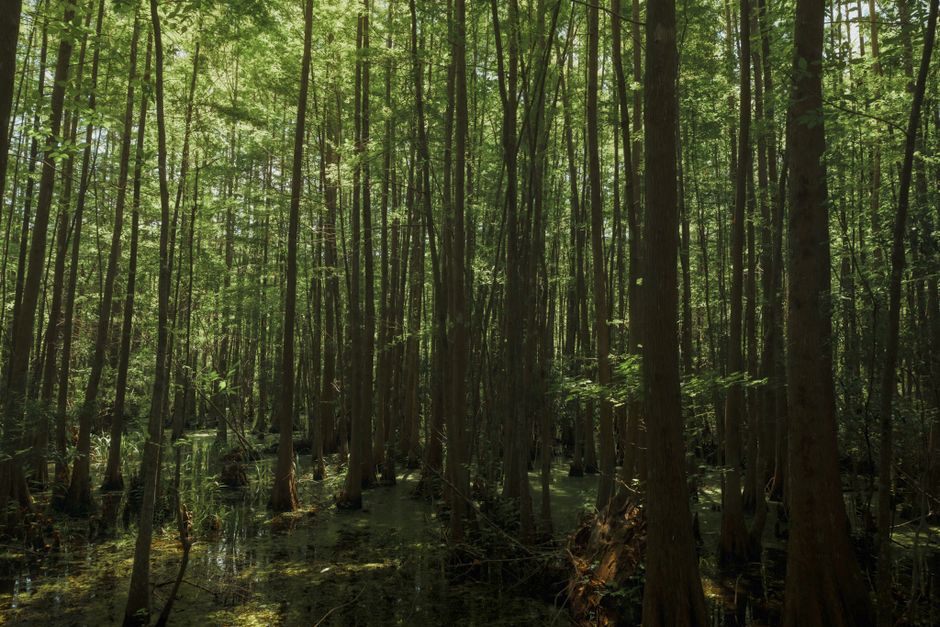
Most visitors never make it past the gates of this place, which is exactly why you should. Magnolia Cemetery sits just north of downtown, across the Ashley River, and it's one of those quiet spaces where you can actually hear yourself think. I went on a Saturday morning and had entire sections to myself.
The cemetery isn't morbid—it's the opposite. Live oaks drape Spanish moss over paths that wind past monuments from the 1800s. There are graves of Confederate soldiers, Union officers, and families who've been in Charleston for centuries. You can read the names and dates and piece together fragments of the city's history in a way that feels more genuine than any paid tour. The grounds are landscaped but not sterile. There's a quietness to the place that's increasingly hard to find in downtown Charleston.
Go early. Bring water. And don't expect anything spooky—it's beautiful and melancholy in the way old things often are.
Folly Beach Pier After Dark
Everyone knows Folly Beach exists. Most tourists hit it during the day, snap a quick photo of the pier, and leave. I made the mistake of going during peak hours on a Saturday afternoon and turned right back around. But I came back at dusk, when the cruise-ship crowd had cleared out and the working fishing people were settling in for the evening.
The pier at sunset is genuinely good. The light hits the water differently, the air cools, and suddenly it feels less like a tourist attraction and more like a place. There are regulars casting lines who don't care about your camera. The shops and restaurants along the beach strip are still open but less frantic. If you're lucky, you'll catch dolphins rolling through the water or pelicans diving. I bought a beer from a stand and just stood there for an hour watching the sky change color.
The pier itself costs a few dollars to walk on if you want to get out to the end. Worth it. Just avoid the boardwalk vendors unless you actually want a temporary tattoo.
The Gibbes Museum's Quiet Afternoons
This is technically not unknown—it's a legitimate art museum on the edge of the historic district—but almost nobody goes there. I suspect most tourists assume it's crowded or irrelevant, when the opposite is true. The Gibbes has a solid collection of American and European art, and on a weekday afternoon I had entire galleries to myself.
What stuck with me was the second floor, where they keep landscapes and portraits from the 18th and 19th centuries. You can see how Charleston looked when it was wealthy from the slave trade, captured by artists who documented the city at different moments in time. It's uncomfortable history, presented directly. The museum doesn't shy away from it, which is refreshing.
The courtyard garden out back is also worth sitting in for twenty minutes. It's small and overgrown in a good way. Entry is reasonable, and the gift shop is actual decent—books and local art, not just mugs with the state flag.
Shem Creek at Sunset (Seabrook Island's Version of Waterfront)
I went to Shem Creek by accident—I was lost trying to find somewhere else and stumbled onto what might be the most peaceful waterfront in the area. It's not on the main tourist drag. There's no visitor center, no shuttle, no branded anything. Just a creek, boats, and marshland.
The creek is in Beaufort County, about 30 minutes from downtown Charleston, and it's where working shrimpers actually dock. You can walk along the water, watch boats come in and out, and sit on a bench while the sun drops. There's a seafood restaurant or two if you want dinner, but the main reason to go is the light and the water and the fact that it feels removed from the tourism machinery.
I went on a Wednesday evening and parked for free and watched a heron fish for probably longer than was reasonable. No one was taking selfies. No one was trying to get the perfect shot for Instagram. People were just existing near water, which is all some of us need.
James Island County Park When It's Raining
James Island County Park is technically a family-friendly destination with playgrounds and trails, but it's also one of the largest parks in the Charleston area and most tourists never find it. I went on a drizzly afternoon when the weather had turned people away from the beaches.
There are easy walking trails that loop through maritime forest and past wetlands. Boardwalks let you get close to the water without wading through mud. I saw deer. I saw multiple birds I couldn't identify. The air felt different than downtown—less concrete, more actual nature. There's a small admission fee if you drive in, but you can park and walk for an hour and legitimately feel like you've left the city.
The park gets busier during summer weekends, but on an off-season weekday or rainy afternoon, it's yours. Bring a light jacket. Don't expect anything fancy. Just green space and quiet, which in Charleston has become its own kind of luxury.

Local Coffee Shops Where People Actually Work
This is the most obvious advice and also the most useful. Instead of hitting the coffee chains on King Street, I started asking locals where they got their coffee. Within two days I'd found three or four spots that felt like actual neighborhoods transplanted into a cafe.
These places had regulars who knew the staff. People were working on laptops or reading books. The coffee was good but not aggressively trendy. Nobody was performing for the Instagram crowd. You could sit for two hours and read and no one would bother you or act like you needed to buy something else.
I won't name specific shops because these places are good exactly because they're not famous. But if you ask locals—your Airbnb host, a bartender, someone who works in retail—they'll point you in the right direction. The best way to understand how a city actually works is to spend time in the places where people live their regular lives.
The Real Lesson (It's Just Asking for Directions)
The honest truth is that Charleston's lesser-known spots aren't mysterious or hard to find. They're just places that aren't on the main tourist circuit, and they exist because locals need them to exist.
What changes everything is talking to people. Ask your server where they actually go on their day off. Ask someone in a bookstore if there's a neighborhood worth exploring. Most people are happy to point you in the right direction, especially if you seem like you actually want to experience the city instead of just collecting photo ops.
The spots that stuck with me weren't the ones featured in a guidebook. They were the ones where I sat quietly, watched other people live their lives, and felt like I was actually somewhere instead of just visiting a destination.



