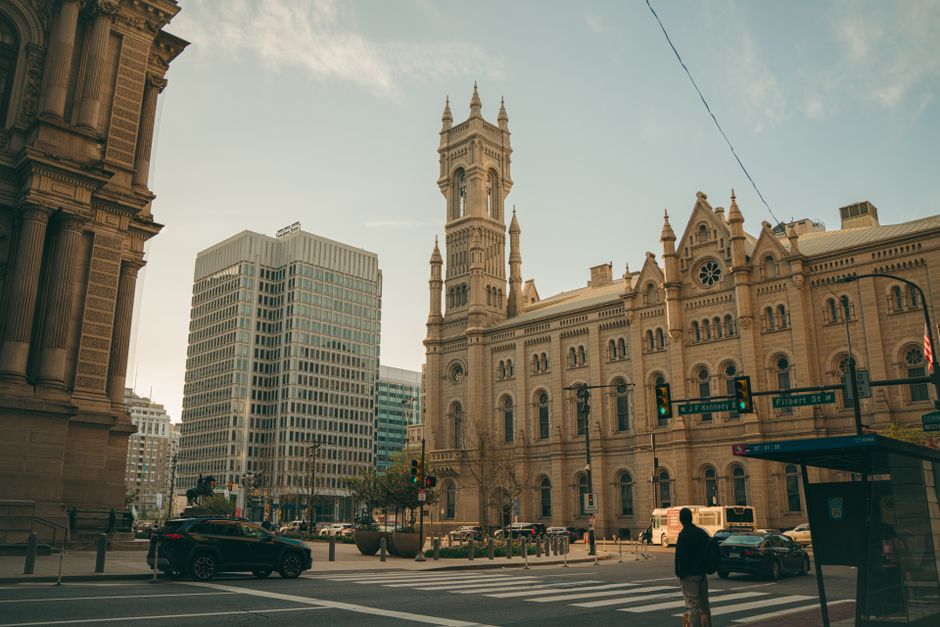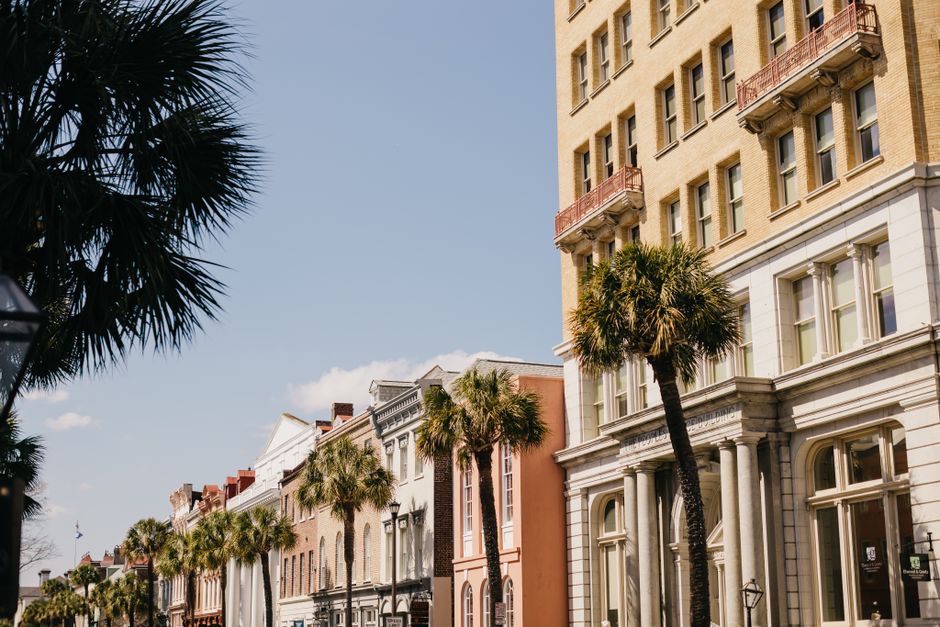
I showed up in Charleston on a Thursday in September with a rolling bag and no fixed plans beyond three nights in an Airbnb. The city hit different than I expected—less frozen-in-amber Southern Gothic, more actually alive. People were everywhere, but not suffocating-tourist-trap everywhere. Within an hour of landing, I realized the neighborhood you pick matters way more than the listing photos. Charleston's compact enough that you can walk most places, but it's also spiky: some blocks are golden, others feel off, and the price swings wildly depending on which street you land on.
I spent the next few weeks moving around, doing the unsexy work of sitting on stoops and walking alleys at different hours. Talking to locals. Checking out bars at 11 p.m. and 2 a.m. You learn fast which neighborhoods actually work for a short stay and which ones look great on Instagram but leave you disappointed. Here's what I found.
King Street and Downtown: The Tourist Spine That Actually Works
King Street is Charleston's main commercial artery, and sure, it draws crowds. But there's a reason for that. If you want to be in the thick of things—walkable restaurants, bars, shops, galleries—without needing Uber for every evening out, King Street and the surrounding downtown blocks deliver. You can walk from your Airbnb to dinner, drinks, a 10 p.m. stroll through Waterfront Park, and back without thinking about it.
Nightlife leans toward the crowded-bar-with-tourists vibe, especially Thursday through Saturday. It's not sleepy. Security camera coverage is heavy in this area, and foot traffic stays consistent even late. I never felt unsafe, but I also never felt like I was discovering anything new. Most of the action clusters around Vendue, Market Hall, and the blocks immediately south.
Price tag: Expect $150–$250 per night for a decent one-bedroom or studio. You're paying for location and convenience, not charm. The Instagram crowd stays here. If you're doing a long weekend and want everything within walking distance, it checks the box. If you want something quieter, keep reading.

South of Broad: Money, History, Mansions, Quiet
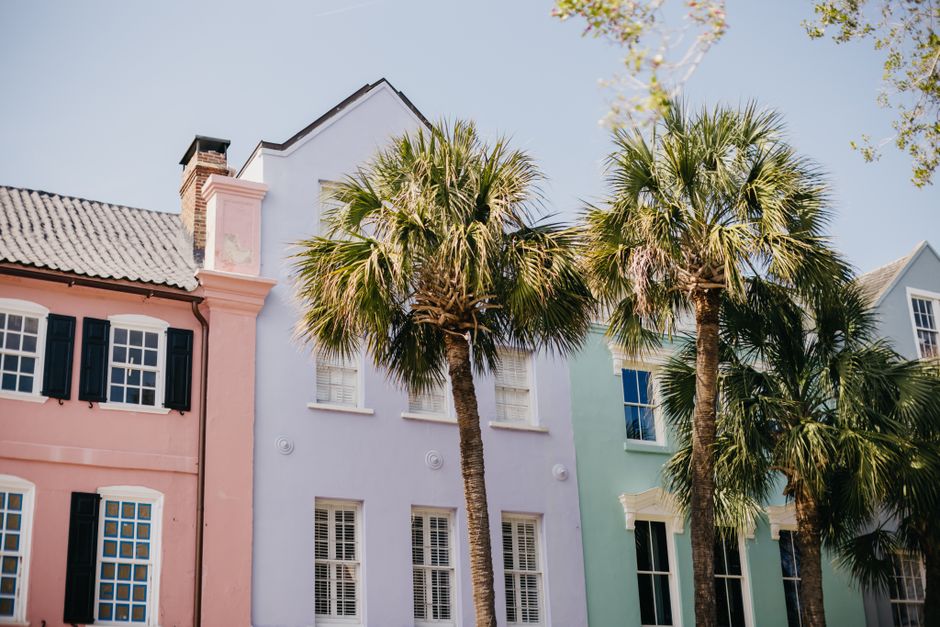
South of Broad is Old Charleston money and actual architecture—the kind of neighborhood where houses cost eight figures and the streets feel empty by 9 p.m. It's beautiful, genuinely. Battery Park sits at the southern edge. Rainbow Row, those pastel-colored row houses everyone photographs, is here. The oak trees are massive. You'll walk past plaques dating to the 1700s.
The tradeoff is real though. This is not where nightlife happens. There are a few good restaurants, but most people here eat at home or go downtown for an evening out. It's genuinely quiet at night—peaceful for some travelers, boring for others. You won't feel unsafe, but there's also a "people live here and want to stay undisturbed" vibe that's sometimes palpable. Walking around at midnight, you're mostly alone.
Pricing runs $160–$280 for a decent place, sometimes higher for the historic ones with the full Charleston porch setup. You're paying partly for space and history, partly for the zip code. Pick this neighborhood if you want mornings on a quiet, tree-lined street and don't mind heading downtown for evening plans. It's excellent for someone writing, reading, or just needing to slow down.
Upper King and the Design District: Young, Walkable, Reasonably Priced
Upper King, also called the Design District, splits the difference. It's been gentrifying steadily for years, and the bones are good. Walkable to decent restaurants and bars, but not the tourist-saturation of downtown King Street. The vibe skews younger—younger residents, younger businesses, less antebellum history and more modern coffee shops. Craft breweries dot the area. There's an actual neighborhood feel, not a theme-park feel.
I spent two nights in an Airbnb near Meeting Street and walked to dinner four times without repeating a restaurant. The crowds thin out noticeably compared to downtown, and the people you see feel less like tourists. You'll see locals going about their evening. Safety is solid—foot traffic stays reasonable into the night, and it's a neighborhood people actually live in, not just work in. The further north you go on King, the quieter it gets, but still walkable.
Nightly rates run $110–$200, which is a real savings compared to downtown or South of Broad. You lose the postcard-perfect architecture and the packed bars, but you gain actual neighborhood texture and your money goes further. If you want to feel like you're staying somewhere real and not just visiting a tourist attraction, this is your best bet.
Sullivan's Island: A Separate Thing Entirely
Sullivan's Island feels like a different city entirely, which is partly because it technically is—a barrier island you have to drive or take a ferry to reach. Most Airbnb hunters skip it, which is the main reason to consider it. It's quiet, genuinely. You get a beach town vibe, old military history, Fort Sumter views, salt marshes. It's a real place where real people live, not a tourist fabrication.
The catch: You'll need a car or be comfortable with limited mobility. There's one main drag with a few restaurants and bars, but nothing approaching the dining density of downtown. It's quiet at night—sometimes peacefully quiet, sometimes boringly quiet depending on your temperament. It's good if you want to be near water, want to bike around, want mornings walking in real quiet. It's bad if you want spontaneous bar-hopping or discovering new restaurants every night.
Airbnbs here tend to run $120–$200, sometimes less than Upper King. You're trading convenience and walkable diversity for actual calm and beach proximity. Go here if you want a reset, not if you want to party. Fair warning: the island is small and can feel claustrophobic if the weather turns bad.
The Folly Beach Rental: Party, Pier, Noise
Folly Beach is the rowdy cousin. Boardwalk pier, beach bars playing music, crowds of 20-somethings, actual neon signs. It's about 12 miles from downtown Charleston, so you're making a choice to be here rather than drifting in. Spring Break energy year-round, basically. Nights are loud—not dangerously so, just populated and noisy. The pier and beach setup means a lot of foot traffic.
Pricing is all over the place, $100–$250 depending on how close to the beach you are and what season. In summer or around weekends, expect higher prices and more crowds. It's fun if you want that energy, genuinely unpleasant if you want quiet. Safety-wise, it's fine—busy places have eyes on them—but the atmosphere is straight-up party beach town, which matters if that's not what you're after.
The honest take: Most solo travelers don't book Folly for multiple nights. It's a day trip from Charleston proper, or a two-night thing if you specifically want beach bars. I'd lean toward Upper King or South of Broad for an actual stay.
Practical Notes Before You Book
Parking is the invisible thing nobody mentions until they arrive. Downtown and South of Broad have limited street parking, expensive lots, and resident-permit hassles. Upper King is easier but still limited. If you're renting a car, factor in $10–$20 daily parking or plan to ditch the car at your Airbnb. Most of downtown is walkable enough that you don't strictly need one.
Weather matters. Summer is hot and humid enough to make walking unpleasant. Hurricane season runs June through November. Off-season (November through March) means lower prices and fewer tourists but also shorter days and occasional heavy rain.
Book ahead if you're coming weekend or during festival season. The city's gotten busier, and decent listings fill up. That said, there's always something available—it's just whether you want to book three months early or roll the dice on last-minute inventory.