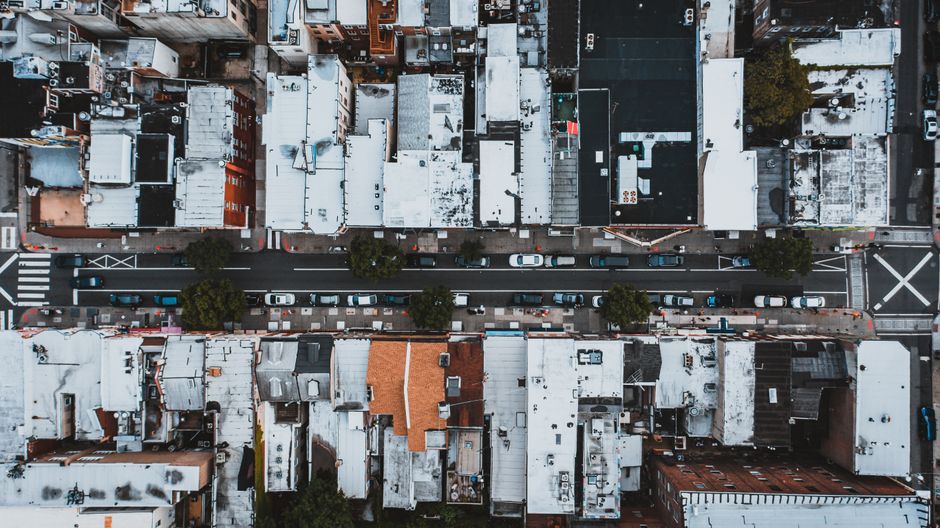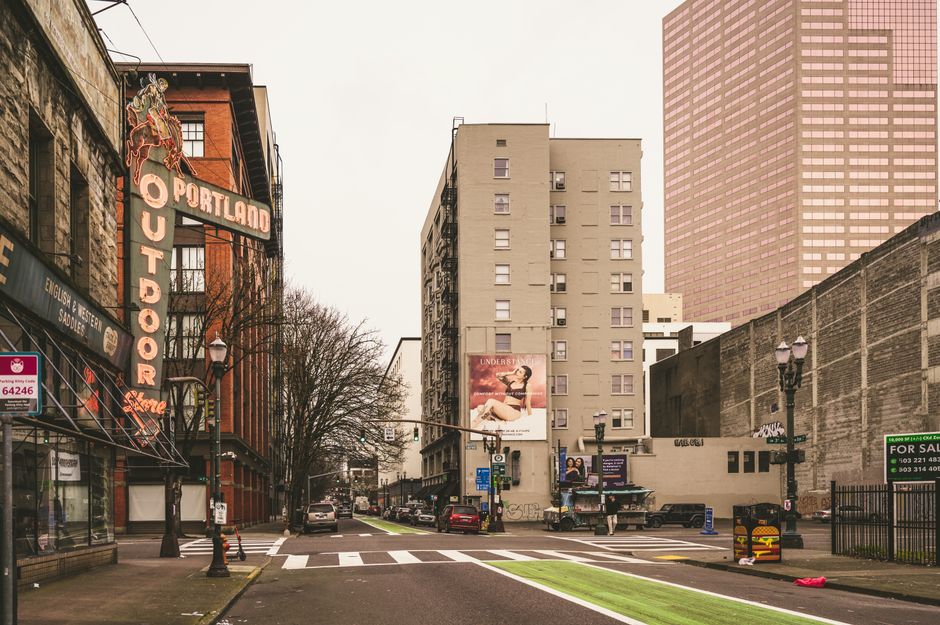
I showed up in Portland on a gray October morning with two weeks and a vague idea of where I'd actually stay. Everyone online kept talking about the Pearl District or Northwest—safe bets, clearly, but also crowded and expensive. I'd learned long ago that the best Airbnb neighborhoods aren't the ones everyone talks about in the same breath; they're the ones where locals actually live and eat.
Portland's a weird, walkable city that somehow feels small even though it sprawls. The good news is that if you pick the right neighborhood, you won't need a car. The bad news is that "right" depends on what you're after—quiet mornings and coffee shops, or can you handle street noise and living near the bars?
Northeast Hawthorne: Quirky and Walkable, But Loud
Hawthorne's the neighborhood everyone thinks of when they imagine Portland: vintage shops, weird murals, bookstores that sell tarot cards, that kind of thing. It's genuinely walkable—everything from restaurants to coffee to groceries is within a few blocks—and the energy is real. You're not in a theme park version of Portland; you're in the actual version.
But let's be honest: it's loud at night. Hawthorne Avenue itself is a bar corridor, and weekends especially, you'll hear groups of people, occasional shouting, the whole downtown-adjacent experience. If you're a light sleeper, check the Airbnb listing carefully and aim for a unit set back from the main drag. I stayed in a renovated bungalow two blocks south of the avenue and it was perfect—still walkable, quiet enough to sleep, but a 90-second walk to everything.
Nightly rates run $90 to $150 depending on season and what you're renting. It's not the cheapest, but you're not paying Pearl District money either. Hawthorne's the move if you want actual Portland without being isolated.
Southeast Belmont: Quieter, Still Interesting, Fewer Tourists
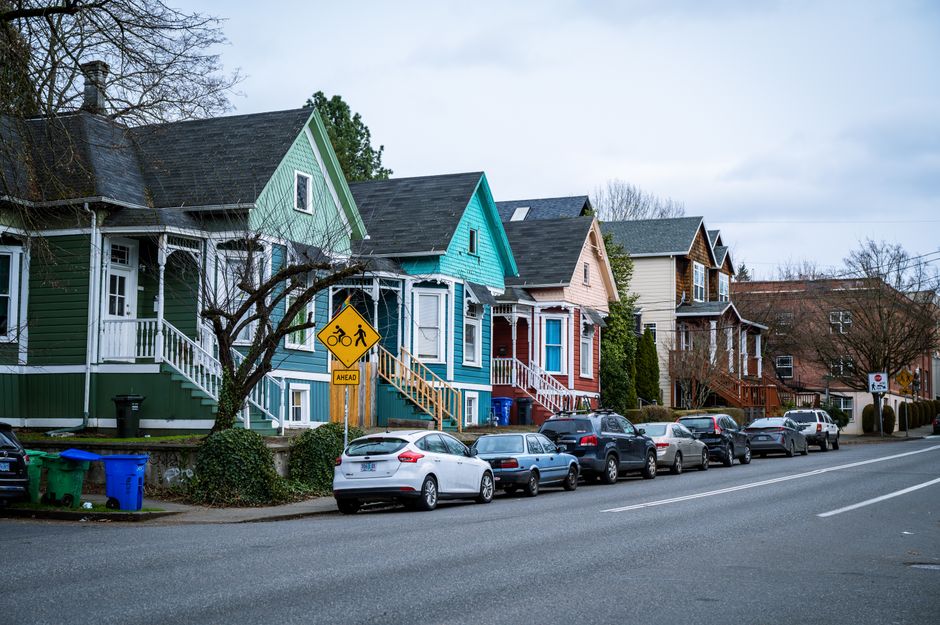
Belmont is Hawthorne's older, slightly mellower sibling, separated by a few miles of regular neighborhood. You get the same vintage aesthetic and independent shops, but fewer late-night bars and way fewer people wandering around at 2 a.m. The vibe is more "locals actually living here" than "tourists on a Portland pilgrimage."
What makes it work is the concentration of real restaurants and cafes. You've got solid coffee, Thai places, pizza joints, brewpubs that feel like actual community hangouts rather than Instagram backdrops. The neighborhood's walkable enough for a week's stay—you can handle most errands on foot—though you might want a bike or the occasional bus trip to access everything.
Safety feels solid. I never once felt uncomfortable walking around at various hours. Street lighting is decent, and while it's not a high-density neighborhood, it never felt deserted either. Nightly rates are typically $75 to $120, which is a realistic sweet spot for Portland. If you want walkability and local flavor without Hawthorne's Friday-night energy, this is where to land.
Northwest Pearl District: Pricey but Genuinely Convenient
I'll skip the full disclaimer that everyone knows Pearl is touristy. It is. The thing nobody says, though, is that it's touristy because it's actually convenient and genuinely nice to walk around. The streets are clean, galleries and restaurants are plentiful, and you can walk to Powell's Books or the Waterfront Park without overthinking it.
It's the safest neighborhood on this list—well-lit, steady foot traffic, visible business activity late into the evening. You won't feel sketchy here at 10 p.m., period. The tradeoff is that it feels like a developed neighborhood rather than a neighborhood that developed naturally. That's not necessarily bad, just true.
You're looking at $140 to $200+ per night in Pearl, depending on what you're renting and when. It's the priciest option, but you're paying for genuine walkability and convenience, not just hype. If you're only in town for a few days and want to minimize confusion about where things are, Pearl works. For a longer stay, it might feel sterile.

Southeast Jade District: Cheapest, Most Authentic, Requires Planning
The Jade District, centered around Southeast 82nd Avenue, is where Portland's Asian communities actually gather—not where tourists come to eat Asian food. It's primarily Vietnamese, Chinese, and other Southeast Asian businesses, and the energy is completely different from the neighborhoods above.
This is the best value in the city. You'll find Airbnbs for $60 to $95 a night, and the cost of living is substantially lower—groceries, food, everything. The neighborhood is safe and busy during the day. But here's the catch: it's not really a "tourist neighborhood" in the walkable-everywhere sense. 82nd is a major thoroughfare with heavy traffic. You'll want a bike or to use public transit to get elsewhere. Walking to other parts of the city isn't practical.
But if you're staying put, eating well, and exploring a real working neighborhood rather than a curated one, the Jade District is excellent. Get your groceries at the Vietnamese markets, eat at places that don't have websites, actually see how Portland functions outside the Pearl District bubble. It just requires a different mindset and less assumption that you can walk everywhere.
Southwest Richmond: Residential and Overlooked
Richmond is the neighborhood I kept hearing about by accident—locals mentioning they lived there, but it never appearing in travel guides. It's south of Belmont, more residential than the Hawthorne/Belmont corridor, and noticeably quieter at night.
Division Street runs through it and has become a legitimate restaurant and coffee destination over the past few years. It's walkable enough for groceries and eating, though less dense than Hawthorne or Belmont. That makes it better if you actually want a quieter stay but still want access to good food and cafes. The trade-off is that you're a little further from downtown, and nightlife isn't the focus here.
Safety is solid. The neighborhood feels like a real place where people live, not like it's performing itself for visitors. Nightly rates run $80 to $130, putting it right between Belmont and Pearl in terms of price. It's worth considering if you want walkability and character without the party energy.
Getting Around: Walkability Isn't Everything
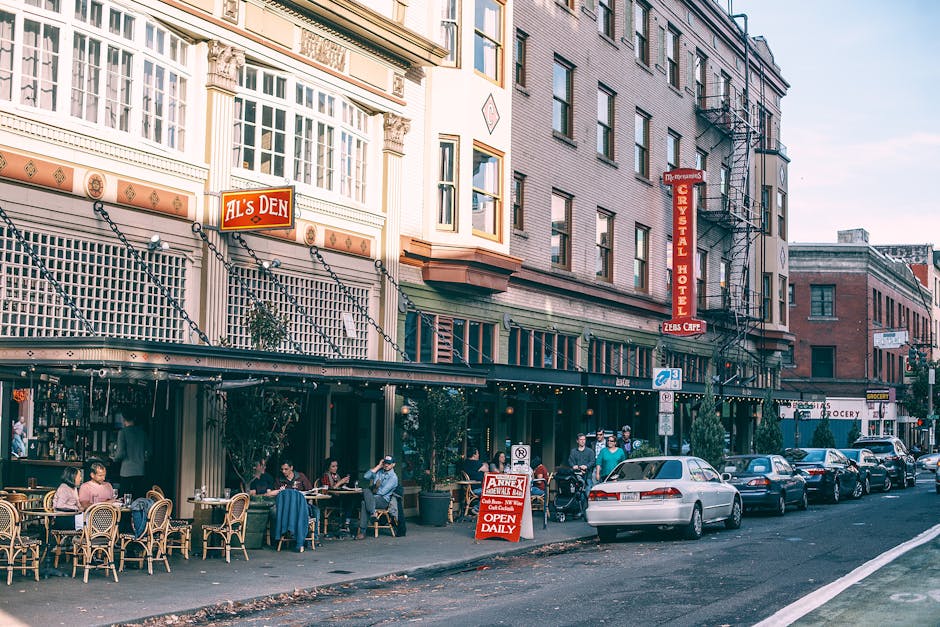
Here's what I wish someone had told me: Portland's public transit is legitimately useful. If you're willing to take the MAX (light rail) or bus, your neighborhood options expand significantly. You don't have to live somewhere walkable to access walkable areas—you can take the MAX downtown, use buses to connect neighborhoods, and still stay somewhere cheaper and quieter.
That said, walkable neighborhoods have genuine advantages for short stays. You can stumble around, try random restaurants, discover things without planning. If you're in Portland for two weeks and staying put, walkability matters more. If you're here for four days, a bus-connected neighborhood might make more sense financially.
The Practical Stuff: Parking, Noise, Street Camping
Most Airbnbs come with parking info, but street parking is free in Portland, which is unusual and should factor into your decision. Neighborhoods closer to downtown have more street hassles; neighborhoods farther out are more straightforward.
Noise tolerance is genuinely important here. Portland's got visible homelessness and street activity, particularly in some areas. It's not dangerous in the neighborhoods listed here, but it's real. If you're easily bothered by street noise or activity, aim for the quieter streets in Belmont or Richmond, or just pay for Pearl and get the controlled environment.
Final Take
Pick based on what you actually want to do. If you're here to experience Portland as locals do, Belmont or Richmond are your answers. If you want walkable convenience and don't mind crowds, Hawthorne or Pearl work. The Jade District is the wildcard—not a tourist neighborhood, but genuinely interesting and affordable if you're willing to engage with it on its own terms.
Portland rewards people who show up without a fully prescribed itinerary. So whatever neighborhood you pick, plan to walk around aimlessly. That's where the actual city reveals itself.